


Understanding Composite Geomembranes: Essential Insights for Construction Professionals
Release time:
2025-10-23
Composite geomembranes are specialized materials widely used in construction, particularly in applications requiring waterproofing and containment. These geomembranes typically consist of two or more layers, combining a polymeric membrane with a geotextile fabric, resulting in a product that offers enhanced performance and durability. Understanding the properties and applications of composite geom
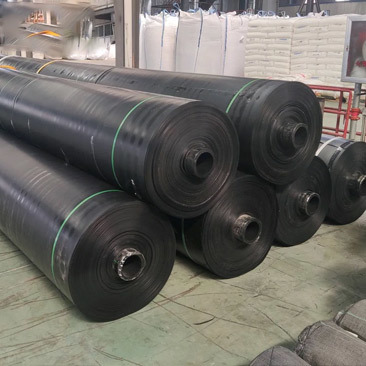
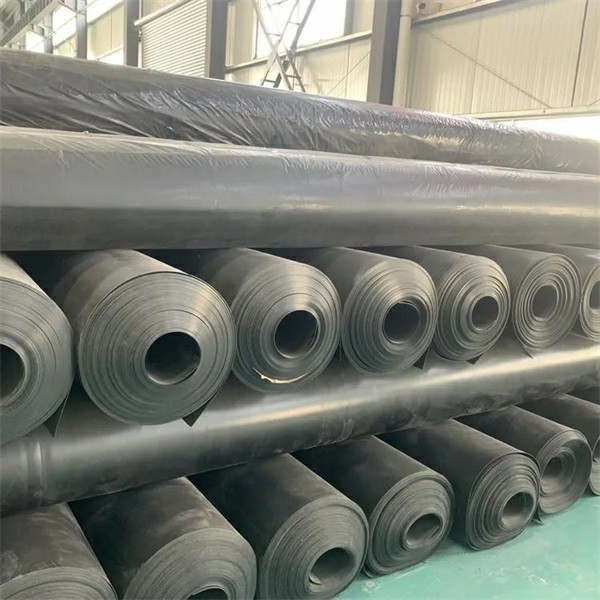
Composite geomembranes are specialized materials widely used in construction, particularly in applications requiring waterproofing and containment. These geomembranes typically consist of two or more layers, combining a polymeric membrane with a geotextile fabric, resulting in a product that offers enhanced performance and durability. Understanding the properties and applications of composite geomembranes is crucial for construction professionals looking to optimize their projects.
One of the primary advantages of composite geomembranes is their exceptional barrier properties. They are designed to prevent the migration of liquids and gases, making them ideal for applications such as landfill liners, pond liners, and containment systems for hazardous materials. The combination of the polymeric layer and geotextile enhances puncture resistance, which is essential in environments where physical stresses are prevalent.
In addition to their barrier capabilities, composite geomembranes offer excellent durability and longevity. They are resistant to various environmental factors, including UV radiation, temperature fluctuations, and chemical exposure. This resistance ensures that the geomembranes maintain their integrity over extended periods, reducing the need for frequent replacements and thereby providing cost savings in the long run.
Another significant benefit is the ease of installation. Composite geomembranes are often lighter and more flexible than traditional materials, allowing for quicker and more efficient deployment on-site. This flexibility makes them suitable for a variety of substrates and terrains, reducing the complexity of installation and minimizing labor costs.
When selecting composite geomembranes for a project, it is essential to consider several factors. The specific requirements of the application, such as the type of contaminants being contained and the environmental conditions, will determine the suitable materials and construction techniques. Consulting with technical experts and reviewing industry standards can help ensure that the selected composite geomembrane meets the necessary performance criteria.
Moreover, sustainability is becoming increasingly important in construction. Composite geomembranes can contribute to environmentally friendly practices by preventing soil and groundwater contamination. Their longevity also means fewer resources are used for replacements, aligning with green building initiatives.
In conclusion, composite geomembranes represent a vital component in the toolkit of construction professionals. Their unique combination of properties provides solutions for various challenges faced in site construction, making them an attractive option for engineers and contractors. By understanding the benefits and applications of composite geomembranes, professionals can make informed decisions that enhance project outcomes and contribute to sustainable building practices.
One of the primary advantages of composite geomembranes is their exceptional barrier properties. They are designed to prevent the migration of liquids and gases, making them ideal for applications such as landfill liners, pond liners, and containment systems for hazardous materials. The combination of the polymeric layer and geotextile enhances puncture resistance, which is essential in environments where physical stresses are prevalent.
In addition to their barrier capabilities, composite geomembranes offer excellent durability and longevity. They are resistant to various environmental factors, including UV radiation, temperature fluctuations, and chemical exposure. This resistance ensures that the geomembranes maintain their integrity over extended periods, reducing the need for frequent replacements and thereby providing cost savings in the long run.
Another significant benefit is the ease of installation. Composite geomembranes are often lighter and more flexible than traditional materials, allowing for quicker and more efficient deployment on-site. This flexibility makes them suitable for a variety of substrates and terrains, reducing the complexity of installation and minimizing labor costs.
When selecting composite geomembranes for a project, it is essential to consider several factors. The specific requirements of the application, such as the type of contaminants being contained and the environmental conditions, will determine the suitable materials and construction techniques. Consulting with technical experts and reviewing industry standards can help ensure that the selected composite geomembrane meets the necessary performance criteria.
Moreover, sustainability is becoming increasingly important in construction. Composite geomembranes can contribute to environmentally friendly practices by preventing soil and groundwater contamination. Their longevity also means fewer resources are used for replacements, aligning with green building initiatives.
In conclusion, composite geomembranes represent a vital component in the toolkit of construction professionals. Their unique combination of properties provides solutions for various challenges faced in site construction, making them an attractive option for engineers and contractors. By understanding the benefits and applications of composite geomembranes, professionals can make informed decisions that enhance project outcomes and contribute to sustainable building practices.
CONTACT US
Address: Shuangyi Road, Lingcheng District, Dezhou City, Shandong Province


GET A DEDICATED QUOTATION