


Understanding Geomembrane Material: Essential Insights for Professionals in Construction
Release time:
2025-10-17
Geomembrane material is an essential component in modern construction, particularly in projects that require effective waterproofing, containment, and support for various structures. It is a synthetic membrane liner or barrier used to control fluid or gas migration in a variety of applications. This versatile material is primarily made from polymers such as polyethylene, polypropylene, or PVC, mak
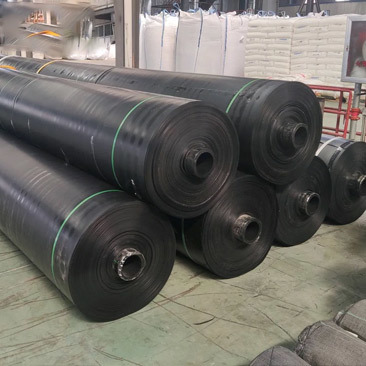
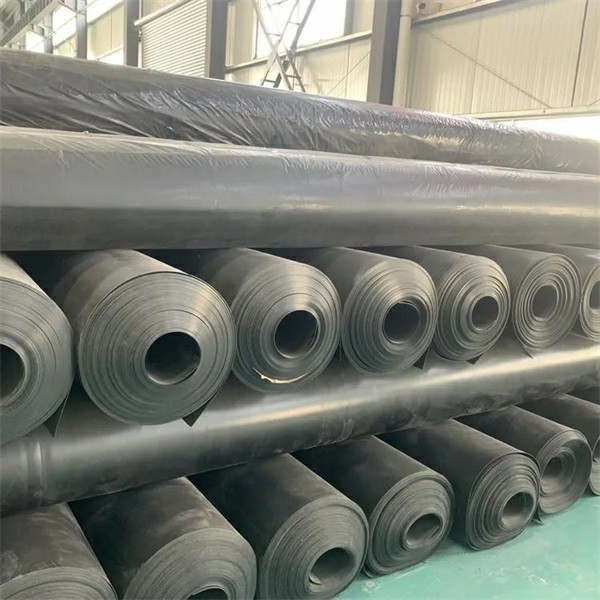
Geomembrane material is an essential component in modern construction, particularly in projects that require effective waterproofing, containment, and support for various structures. It is a synthetic membrane liner or barrier used to control fluid or gas migration in a variety of applications. This versatile material is primarily made from polymers such as polyethylene, polypropylene, or PVC, making it durable and resistant to environmental conditions.
One of the primary applications of geomembrane material is in landfill liners. These liners play a crucial role in preventing leachate from contaminating the surrounding soil and groundwater. Additionally, geomembranes are widely used in water containment applications, such as reservoirs and canals, where they help maintain water levels and reduce evaporation losses.
In the realm of construction, geomembrane materials are also employed in ground stabilization and erosion control. They support the integrity of slopes and embankments by preventing soil erosion and providing necessary drainage solutions. This is particularly important in areas prone to heavy rainfall or flooding, where effective water management is critical.
When considering the use of geomembrane material, professionals should be mindful of several critical factors. First, the selection of the appropriate type of geomembrane is vital for ensuring long-term performance. Different projects may require varying thicknesses, materials, and installation techniques based on specific environmental conditions and project requirements. For example, high-density polyethylene (HDPE) is often chosen for its excellent chemical resistance and durability, while ethylene propylene diene monomer (EPDM) might be preferred for its flexibility and UV resistance.
Installation practices also play a significant role in the effectiveness of geomembrane materials. Proper handling, seam welding, and anchoring techniques are essential to avoid leaks and ensure the longevity of the membrane. It’s also crucial to conduct regular inspections and maintenance to identify any potential issues early on.
Moreover, environmental considerations are becoming increasingly important in the construction industry. The use of geomembrane materials can contribute to sustainable practices by minimizing the ecological footprint of projects. By preventing contamination and managing water resources effectively, these materials not only enhance project outcomes but also promote environmental stewardship.
In conclusion, geomembrane material is a vital resource for professionals in the construction industry. Its diverse applications, coupled with proper selection and installation techniques, can lead to significant benefits in terms of waterproofing, containment, and environmental protection. Understanding the properties and practical uses of geomembrane materials is essential for achieving successful project outcomes in today’s construction landscape.
One of the primary applications of geomembrane material is in landfill liners. These liners play a crucial role in preventing leachate from contaminating the surrounding soil and groundwater. Additionally, geomembranes are widely used in water containment applications, such as reservoirs and canals, where they help maintain water levels and reduce evaporation losses.
In the realm of construction, geomembrane materials are also employed in ground stabilization and erosion control. They support the integrity of slopes and embankments by preventing soil erosion and providing necessary drainage solutions. This is particularly important in areas prone to heavy rainfall or flooding, where effective water management is critical.
When considering the use of geomembrane material, professionals should be mindful of several critical factors. First, the selection of the appropriate type of geomembrane is vital for ensuring long-term performance. Different projects may require varying thicknesses, materials, and installation techniques based on specific environmental conditions and project requirements. For example, high-density polyethylene (HDPE) is often chosen for its excellent chemical resistance and durability, while ethylene propylene diene monomer (EPDM) might be preferred for its flexibility and UV resistance.
Installation practices also play a significant role in the effectiveness of geomembrane materials. Proper handling, seam welding, and anchoring techniques are essential to avoid leaks and ensure the longevity of the membrane. It’s also crucial to conduct regular inspections and maintenance to identify any potential issues early on.
Moreover, environmental considerations are becoming increasingly important in the construction industry. The use of geomembrane materials can contribute to sustainable practices by minimizing the ecological footprint of projects. By preventing contamination and managing water resources effectively, these materials not only enhance project outcomes but also promote environmental stewardship.
In conclusion, geomembrane material is a vital resource for professionals in the construction industry. Its diverse applications, coupled with proper selection and installation techniques, can lead to significant benefits in terms of waterproofing, containment, and environmental protection. Understanding the properties and practical uses of geomembrane materials is essential for achieving successful project outcomes in today’s construction landscape.
CONTACT US
Address: Shuangyi Road, Lingcheng District, Dezhou City, Shandong Province


GET A DEDICATED QUOTATION