


Understanding the Vital Role of Geomembranes in Environmental Protection
Release time:
2025-10-16
Understanding the Vital Role of Geomembranes in Environmental Protection Table of Contents 1. Introduction to Geomembranes 2. What are Geomembranes? 2.1 Types of Geomembranes 2.2 Materials Used in Geomembranes 3. The Importance of Geomembranes in Environmental Protection 3.1 Preventing Soil and Water Contamination
Understanding the Vital Role of Geomembranes in Environmental Protection
Table of Contents
- 1. Introduction to Geomembranes
- 2. What are Geomembranes?
- 3. The Importance of Geomembranes in Environmental Protection
- 4. Applications of Geomembranes Across Industries
- 4.1 Water Management and Irrigation Systems
- 4.2 Mining and Extraction Sector
- 4.3 Civil Engineering Projects
- 5. Benefits of Using Geomembranes
- 6. Challenges and Limitations of Geomembranes
- 7. The Future of Geomembranes in Environmental Protection
- 8. Frequently Asked Questions (FAQs)
- 9. Conclusion
1. Introduction to Geomembranes
In the face of escalating environmental challenges, innovative materials like **geomembranes** have emerged as crucial components in environmental protection. These synthetic sheets, primarily used in containment applications, offer remarkable solutions to prevent contamination and manage waste. Understanding the role of geomembranes in safeguarding the environment is vital for industries ranging from waste management to civil engineering.
2. What are Geomembranes?
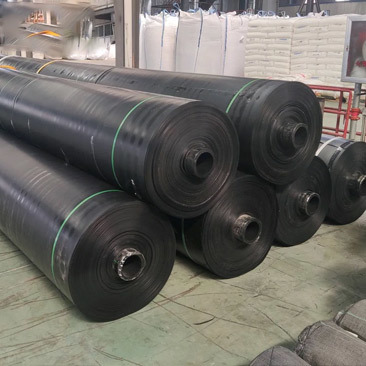
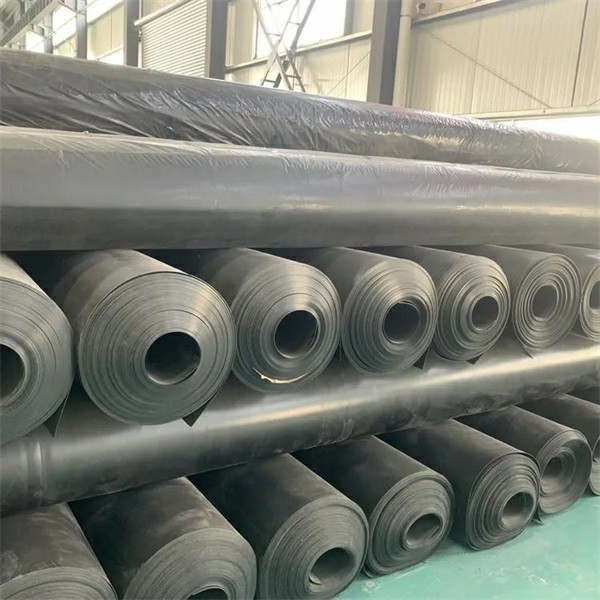
Geomembranes are impermeable membranes used in various environmental and civil engineering applications. They serve as barriers to restrict the movement of fluids, thus playing a vital role in environmental protection.
2.1 Types of Geomembranes
There are several types of geomembranes, each suited for specific applications. The primary categories include:
- **Polyethylene Geomembranes (HDPE and LLDPE)**: High-density polyethylene (HDPE) geomembranes are the most widely used due to their excellent chemical resistance and durability. Linear low-density polyethylene (LLDPE) geomembranes are known for their flexibility.
- **Polyvinyl Chloride (PVC)**: PVC geomembranes are another popular choice, offering good flexibility and weldability.
- **Ethylene Propylene Diene Monomer (EPDM)**: These geomembranes are known for their high weather resistance and are often used in applications exposed to extreme climatic conditions.
2.2 Materials Used in Geomembranes
The materials used to manufacture geomembranes significantly influence their performance. Common materials include:
- **Synthetic Polymers**: HDPE, LLDPE, and PVC are synthetic polymers commonly used for their impermeability and durability.
- **Natural Materials**: While synthetic geomembranes dominate the market, natural materials like clay and geosynthetic clay liners also play a role in specific applications, particularly in low-cost projects.
3. The Importance of Geomembranes in Environmental Protection
Geomembranes are essential in various environmental applications. Their ability to create effective barriers safeguards natural resources and protects health and safety.
3.1 Preventing Soil and Water Contamination
One of the primary functions of geomembranes is **preventing soil and water contamination**. In landfills, for example, geomembranes act as barriers that prevent leachate—liquid that can carry hazardous materials—from infiltrating the ground and contaminating groundwater supplies. Their impermeability plays a critical role in protecting aquatic ecosystems and drinking water sources.
3.2 Applications in Landfill and Waste Management
In landfill construction and operation, geomembranes are integral to waste management systems. They help contain solid waste, ensuring minimal environmental impact. By lining landfills with geomembranes, operators can significantly reduce the risk of soil and groundwater contamination, thus promoting sustainable waste management practices.
4. Applications of Geomembranes Across Industries
The versatility of geomembranes allows their application in various sectors, enhancing environmental protection across the board.
4.1 Water Management and Irrigation Systems
In water management, geomembranes are used to line reservoirs, ponds, and canals. They prevent water loss due to seepage, thus ensuring efficient water resource management. In irrigation, geomembranes help maintain the integrity of the irrigation system, reducing water waste and promoting sustainable agricultural practices.
4.2 Mining and Extraction Sector
In the mining industry, geomembranes are employed to manage tailings and waste materials. They help contain hazardous materials and prevent them from escaping into the environment, thereby protecting local ecosystems.
4.3 Civil Engineering Projects
In civil engineering, geomembranes are integral to constructing canals, dikes, and other water management structures. Their ability to provide a waterproof barrier makes them invaluable for engineering solutions requiring effective fluid containment.
5. Benefits of Using Geomembranes
The benefits of integrating geomembranes into environmental projects are manifold.
5.1 Cost-Effectiveness
Investing in geomembranes can prove cost-effective in the long run. Their durability reduces maintenance costs and extends the lifespan of containment systems. By preventing contamination, they also help avoid costly clean-up operations.
5.2 Durability and Longevity
Geomembranes are designed to withstand harsh environmental conditions. Their resistance to UV rays, chemicals, and physical wear ensures that they remain effective over time, making them a reliable choice for long-term projects.
5.3 Environmental Sustainability
By preventing contamination and managing waste effectively, geomembranes contribute significantly to environmental sustainability initiatives. Their use aligns with global efforts to promote eco-friendly practices and protect natural resources.
6. Challenges and Limitations of Geomembranes
Despite the numerous benefits, there are challenges and limitations associated with the use of geomembranes.
One significant challenge is the potential for punctures during installation or due to external factors. Proper installation techniques and regular maintenance are crucial to mitigate this risk. Additionally, the long-term environmental impact of geomembranes, particularly synthetic variants, requires ongoing research and monitoring to ensure they do not contribute to pollution.
7. The Future of Geomembranes in Environmental Protection
As environmental concerns continue to grow, the future of geomembranes looks promising. Innovations in material science may lead to more sustainable and effective alternatives. Researchers are exploring bio-based geomembranes and enhanced functionalities to improve performance and reduce environmental impact.
Additionally, the integration of advanced technologies, such as smart sensors within geomembranes, could enhance monitoring capabilities, providing real-time data on integrity and environmental conditions. These advancements will further solidify the role of geomembranes in protecting our environment.
8. Frequently Asked Questions (FAQs)
1. What is the primary function of geomembranes?
Geomembranes primarily function as impermeable barriers to prevent the movement of fluids, thus protecting soil and groundwater from contamination.
2. How are geomembranes used in landfill applications?
In landfills, geomembranes line the base and sides to contain waste and leachate, preventing harmful substances from infiltrating the ground.
3. What are the different types of geomembranes available?
The main types include HDPE, LLDPE, PVC, and EPDM, each suited for specific applications based on their chemical resistance and physical properties.
4. Are geomembranes environmentally friendly?
While geomembranes contribute to environmental protection by preventing contamination, the environmental impact of synthetic materials requires careful consideration and ongoing research.
5. How can I ensure the longevity of geomembranes in my project?
To ensure longevity, proper installation techniques, regular inspections, and maintenance are crucial. Additionally, selecting the right type of geomembrane for specific environmental conditions can enhance durability.
9. Conclusion
In conclusion, geomembranes play an indispensable role in environmental protection. By providing effective barriers against contamination and facilitating sustainable management practices, they contribute significantly to safeguarding our natural resources. As industries continue to adopt these innovative materials, the future of geomembranes looks bright, promising enhanced solutions for environmental challenges. Embracing geomembranes is not just a choice; it is a commitment to a sustainable future for our planet.
CONTACT US
Address: Shuangyi Road, Lingcheng District, Dezhou City, Shandong Province


GET A DEDICATED QUOTATION