


Understanding PE Geomembrane: A Key Component in Construction and Site Management
Release time:
2025-10-15
PE geomembrane, short for polyethylene geomembrane, is a highly versatile and durable material widely used in the construction and landscaping industries, particularly in site management and environmental protection projects. This synthetic liner is made from high-density polyethylene (HDPE) or low-density polyethylene (LDPE), which offers excellent resistance to chemicals, UV rays, and extreme we
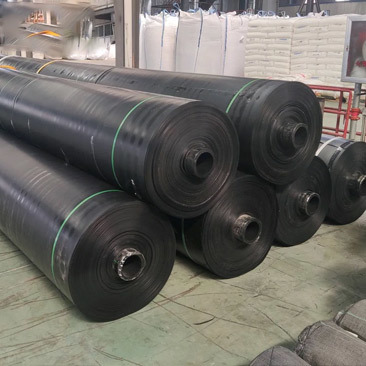
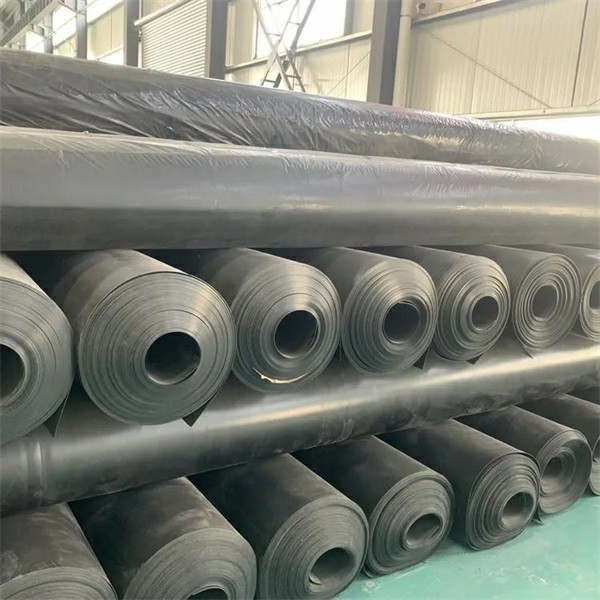
PE geomembrane, short for polyethylene geomembrane, is a highly versatile and durable material widely used in the construction and landscaping industries, particularly in site management and environmental protection projects. This synthetic liner is made from high-density polyethylene (HDPE) or low-density polyethylene (LDPE), which offers excellent resistance to chemicals, UV rays, and extreme weather conditions.
One of the primary applications of PE geomembrane is in the containment of liquids, making it an ideal choice for landfills, reservoirs, and ponds. Its impermeable nature prevents seepage and helps manage groundwater contamination, thus protecting the surrounding environment. Additionally, PE geomembrane is often employed in mining operations to control leachate and tailings, ensuring that hazardous materials do not escape into the soil or water sources.
In the construction sector, PE geomembrane also plays a vital role in waterproofing and damp-proofing structures. It can be installed beneath foundations, in basements, and around retaining walls to safeguard buildings from moisture intrusion. This protective barrier not only enhances the longevity of structures but also reduces the risk of mold and structural damage due to water exposure.
Another significant advantage of PE geomembrane is its ease of installation and flexibility. It can be customized to fit various shapes and sizes, making it suitable for complex site layouts. The lightweight nature of the material simplifies handling and transportation, contributing to overall project efficiency. Additionally, the seams can be welded together using heat or extrusion methods, ensuring a secure and reliable seal that enhances the geomembrane's performance.
When choosing PE geomembrane for a project, it is essential to consider factors such as thickness, tensile strength, and elongation properties, as these will determine the material's suitability for specific applications. Conducting a thorough site assessment and understanding the environmental conditions can also help in making informed decisions regarding the type and specifications of the geomembrane to be used.
Overall, PE geomembrane is a crucial component in modern construction and environmental management. Its unique properties and diverse applications make it an indispensable tool for ensuring safety, sustainability, and efficiency in various projects. Whether for containment, waterproofing, or soil stabilization, utilizing PE geomembrane can significantly enhance the effectiveness of site management strategies.
One of the primary applications of PE geomembrane is in the containment of liquids, making it an ideal choice for landfills, reservoirs, and ponds. Its impermeable nature prevents seepage and helps manage groundwater contamination, thus protecting the surrounding environment. Additionally, PE geomembrane is often employed in mining operations to control leachate and tailings, ensuring that hazardous materials do not escape into the soil or water sources.
In the construction sector, PE geomembrane also plays a vital role in waterproofing and damp-proofing structures. It can be installed beneath foundations, in basements, and around retaining walls to safeguard buildings from moisture intrusion. This protective barrier not only enhances the longevity of structures but also reduces the risk of mold and structural damage due to water exposure.
Another significant advantage of PE geomembrane is its ease of installation and flexibility. It can be customized to fit various shapes and sizes, making it suitable for complex site layouts. The lightweight nature of the material simplifies handling and transportation, contributing to overall project efficiency. Additionally, the seams can be welded together using heat or extrusion methods, ensuring a secure and reliable seal that enhances the geomembrane's performance.
When choosing PE geomembrane for a project, it is essential to consider factors such as thickness, tensile strength, and elongation properties, as these will determine the material's suitability for specific applications. Conducting a thorough site assessment and understanding the environmental conditions can also help in making informed decisions regarding the type and specifications of the geomembrane to be used.
Overall, PE geomembrane is a crucial component in modern construction and environmental management. Its unique properties and diverse applications make it an indispensable tool for ensuring safety, sustainability, and efficiency in various projects. Whether for containment, waterproofing, or soil stabilization, utilizing PE geomembrane can significantly enhance the effectiveness of site management strategies.
CONTACT US
Address: Shuangyi Road, Lingcheng District, Dezhou City, Shandong Province


GET A DEDICATED QUOTATION