


Maximizing Durability: The Role of Geomembrane Liners in Environmental Protection
Release time:
2025-10-14
Maximizing Durability: The Role of Geomembrane Liners in Environmental Protection Table of Contents Introduction to Geomembrane Liners What Are Geomembranes? Materials Used in Geomembranes Applications of Geomembrane Liners Landfill Liners Water Containment Mining Applications Agricultural Use Benefits of G
Maximizing Durability: The Role of Geomembrane Liners in Environmental Protection
Table of Contents
- Introduction to Geomembrane Liners
- What Are Geomembranes?
- Materials Used in Geomembranes
- Applications of Geomembrane Liners
- Benefits of Geomembrane Liners
- Installation and Maintenance of Geomembrane Liners
- Challenges in Using Geomembrane Liners and Their Solutions
- Frequently Asked Questions
- Conclusion
Introduction to Geomembrane Liners
Geomembrane liners have become a cornerstone in the field of environmental protection, serving as vital barriers that prevent the migration of fluids through soil or rock. These liners are essential in various applications, including waste management, mining operations, and agriculture. Understanding the role of geomembrane liners can significantly enhance our capacity to protect natural resources and maintain ecological balance.
What Are Geomembranes?
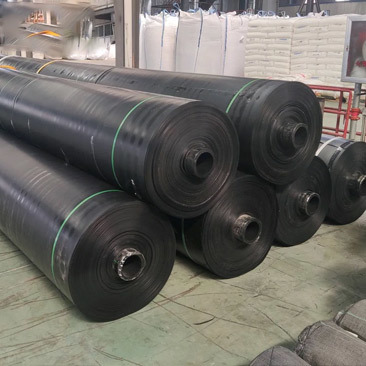
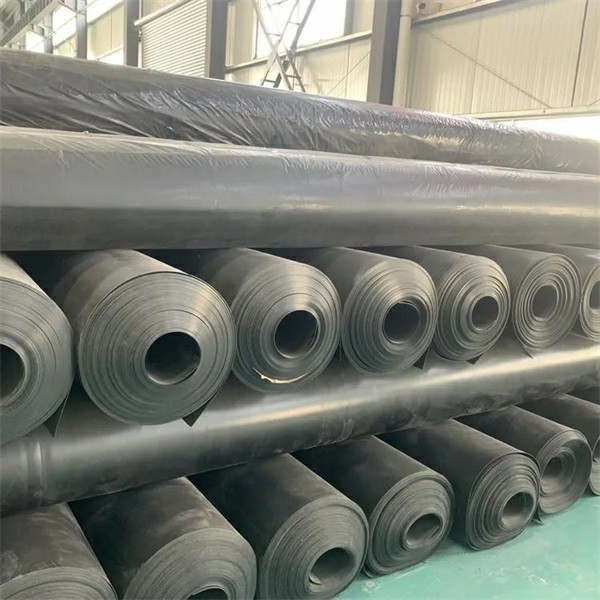
Geomembranes are synthetic membranes made from polymer materials, designed for impermeability and durability. These liners exhibit unique properties that prevent the passage of liquids and gases, making them ideal for various environmental applications. Their composition typically includes materials such as high-density polyethylene (HDPE), linear low-density polyethylene (LLDPE), and polyvinyl chloride (PVC), each offering specific advantages depending on the intended use.
Materials Used in Geomembranes
The effectiveness of geomembrane liners is largely attributed to the materials used in their production. Common materials include:
High-Density Polyethylene (HDPE)
HDPE is renowned for its excellent chemical resistance and high tensile strength. It is widely used in landfill liners, providing long-lasting durability against harsh environmental conditions.
Linear Low-Density Polyethylene (LLDPE)
LLDPE offers flexibility and elongation properties, making it suitable for applications requiring a high degree of conformability. It is often chosen for water containment systems due to its resilience.
Polyvinyl Chloride (PVC)
PVC geomembranes possess significant chemical resistance and adaptability, making them suitable for use in various environmental and industrial applications. Their affordability also makes them a popular choice.
Applications of Geomembrane Liners
Geomembrane liners have a diverse range of applications across multiple industries. Below are some of the primary areas where these liners are utilized:
Landfill Liners
Landfill liners are critical components of modern waste management systems. They prevent leachate—the contaminated liquid that drains from landfills—from infiltrating groundwater supplies. By ensuring that hazardous materials do not escape, geomembrane liners play a crucial role in protecting public health and the environment.
Water Containment
Geomembranes are extensively used in water containment systems, including reservoirs and irrigation ponds. Their impermeability ensures that water remains contained, reducing evaporation and contamination risks. This application is particularly vital in arid regions where water conservation is paramount.
Mining Applications
In the mining industry, geomembrane liners are employed to manage tailings and waste materials, preventing harmful substances from leaching into surrounding ecosystems. This application is essential for sustainable mining practices and protecting natural resources.
Agricultural Use
Geomembranes are also utilized in agriculture for applications such as aquaculture, irrigation, and soil stabilization. By creating barriers that minimize water loss and manage runoff, geomembranes contribute to more efficient agricultural practices.
Benefits of Geomembrane Liners
The advantages of using geomembrane liners in environmental applications are numerous:
1. Environmental Protection
Geomembranes significantly reduce the risk of soil and groundwater contamination, safeguarding ecosystems and human health.
2. Durability and Longevity
Crafted from robust materials, these liners exhibit exceptional durability, often lasting for decades even in harsh environments.
3. Cost-Effective Solution
Although the initial investment may seem high, the long-term savings associated with reduced contamination and remediation costs make geomembranes a cost-effective choice.
4. Versatility
Geomembrane liners can be customized for various applications, providing flexibility to meet specific environmental challenges.
5. Ease of Installation
The installation process for geomembranes is relatively straightforward, minimizing disruption to the surrounding environment.
Installation and Maintenance of Geomembrane Liners
Proper installation and maintenance are crucial to the effectiveness of geomembrane liners. Here are several key considerations:
Installation Process
The installation process typically involves site preparation, material selection, and proper seam welding techniques. Adequate training and expertise are essential to ensure a successful installation that meets industry standards.
Maintenance Requirements
Regular inspections and maintenance are necessary to identify potential damages, such as tears or punctures. Prompt repairs can extend the lifespan of the geomembrane and maintain its protective capabilities.
Challenges in Using Geomembrane Liners and Their Solutions
Despite their numerous advantages, geomembrane liners present certain challenges:
Punctures and Tears
Punctures or tears in the geomembrane can compromise its integrity. **Solution**: Implementing protective measures during installation, such as using protective blankets and conducting regular inspections, can help mitigate this risk.
Environmental Conditions
Extreme weather conditions can affect the performance of geomembranes. **Solution**: Selecting the appropriate material based on specific environmental conditions can enhance durability and effectiveness.
Seam Integrity
Weak seams can lead to leaks. **Solution**: Employing advanced welding techniques and conducting thorough seam tests can ensure robust seam integrity.
Frequently Asked Questions
1. What is the lifespan of geomembrane liners?
Geomembrane liners can last anywhere from 20 to 50 years, depending on the material used and environmental conditions.
2. Are geomembranes environmentally friendly?
Yes, geomembranes are designed to protect the environment by preventing contamination and minimizing waste.
3. Can geomembranes be recycled?
Certain types of geomembrane materials, such as HDPE, can be recycled, although the processes and feasibility may vary.
4. What are the most common applications of geomembranes?
The most common applications include landfill liners, water containment systems, mining operations, and agricultural uses.
5. How are geomembranes installed?
Geomembranes are installed through site preparation, material selection, and proper seam welding techniques, often requiring trained professionals.
Conclusion
Geomembrane liners represent a crucial component in the pursuit of environmental protection and sustainability. Their durability, cost-effectiveness, and versatility make them indispensable in various applications, from waste management to agriculture. By understanding the role and benefits of geomembrane liners, we can enhance our efforts to protect our environment and ensure a healthier future for generations to come. As we continue to innovate and develop new solutions, geomembranes will undoubtedly play a vital role in safeguarding our planet.
CONTACT US
Address: Shuangyi Road, Lingcheng District, Dezhou City, Shandong Province


GET A DEDICATED QUOTATION