


Key Considerations When Specifying Composite Geomembranes: A Comprehensive Guide
Release time:
2025-10-18
Key Considerations When Specifying Composite Geomembranes Introduction to Composite Geomembranes Composite geomembranes play a crucial role in various construction applications, particularly in containment and environmental protection. Their unique structure, combining multiple layers, offers superior performance in terms of durability, flexibility, and resistance to environmental factors. Underst
Key Considerations When Specifying Composite Geomembranes
Introduction to Composite Geomembranes
Composite geomembranes play a crucial role in various construction applications, particularly in containment and environmental protection. Their unique structure, combining multiple layers, offers superior performance in terms of durability, flexibility, and resistance to environmental factors. Understanding the key considerations when specifying composite geomembranes is essential for ensuring the success of your project.
What Are Composite Geomembranes?
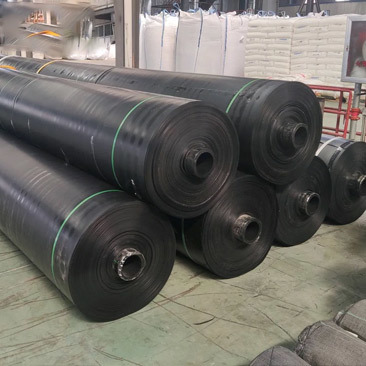
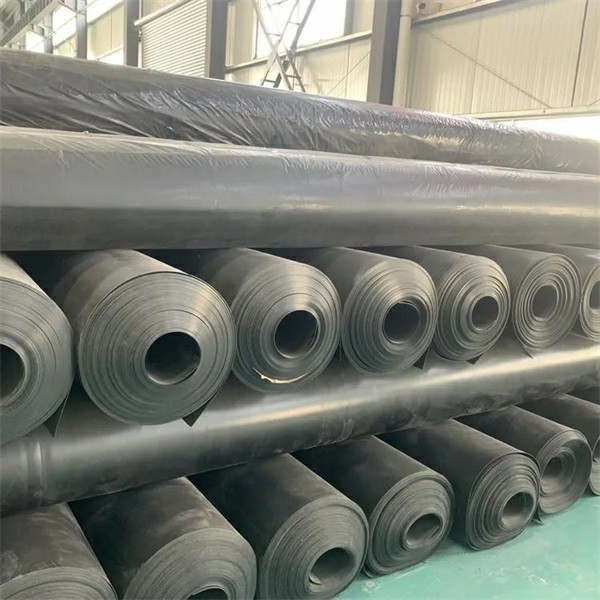
Composite geomembranes are synthetic liners used in applications such as landfill, mining, and water containment. They typically consist of a geomembrane layer bound to a geotextile or another material, enhancing their mechanical properties and making them suitable for demanding conditions.
Benefits of Using Composite Geomembranes
1. **Enhanced Durability**: The combination of materials results in increased resistance to punctures, tears, and environmental stressors.
2. **Improved Flexibility**: Composite geomembranes can adapt to changes in terrain and temperature, making them ideal for various applications.
3. **Cost-Effectiveness**: Although initially more expensive, their longevity and reduced maintenance needs can lead to overall cost savings.
4. **Environmental Protection**: These geomembranes help prevent contamination of groundwater and soil, supporting sustainable practices.
Key Factors to Consider When Specifying Composite Geomembranes
1. Material Selection
The choice of materials significantly impacts the performance of composite geomembranes. Common materials include high-density polyethylene (HDPE), low-density polyethylene (LDPE), and ethylene propylene diene monomer (EPDM). Each material has unique properties, such as UV resistance, chemical compatibility, and temperature tolerance.
Understanding Material Properties
- **Chemical Resistance**: Evaluate the chemical environment where the geomembrane will be installed. HDPE, for instance, offers excellent resistance to a wide range of chemicals, while EPDM is less resistant but excels in temperature extremes.
- **Temperature Range**: Consider the temperature fluctuations in the project area. Some materials perform better in high or low temperatures, which can affect their longevity and integrity.
2. Thickness and Weight
The thickness and weight of the composite geomembrane influence its strength and installation requirements. Thicker membranes often provide better puncture resistance but may also require more robust support structures during installation.
Determining Appropriate Thickness
- **Application Requirements**: For high-stress areas or applications involving heavy loads, a thicker geomembrane may be necessary. Conversely, lighter membranes may suffice for less demanding installations.
3. Installation Techniques
Proper installation is critical to the performance of composite geomembranes. Different installation methods can impact the integrity of the liner, including welding, adhesives, and mechanical fastening.
Best Practices for Installation
- **Surface Preparation**: Ensure the subgrade is clean, stable, and free from sharp objects that could damage the geomembrane.
- **Seaming Methods**: Choose the appropriate seaming technique based on material compatibility and environmental conditions. Hot air welding is common for HDPE, while adhesives may be used for other materials.
4. Environmental Considerations
Understanding the environmental conditions at the installation site is vital for the longevity of composite geomembranes. Factors such as UV exposure, chemical exposure, and temperature variations can affect the material's performance over time.
Assessing Site Conditions
- **UV Resistance**: Composite geomembranes should be selected based on their ability to withstand UV radiation if they will be exposed to sunlight. Adding a UV stabilizer can enhance performance.
- **Chemical Exposure**: Analyze potential chemical interactions in the environment. For example, if the geomembrane will be in contact with solvents, consult compatibility charts for the selected materials.
5. Compliance and Regulations
Adhering to industry standards and regulations is essential when specifying composite geomembranes. Different regions may have specific requirements for materials used in containment applications.
Understanding Regulatory Standards
- **Local Regulations**: Familiarize yourself with local and national regulations that may dictate material selection and installation practices.
- **Certifications**: Look for geomembranes that meet specific certifications, such as ASTM or GRI standards, to ensure quality and compliance.
Case Studies: Successful Applications of Composite Geomembranes
Examining real-world applications provides valuable insights into the functionality and effectiveness of composite geomembranes.
1. Landfill Liners
In landfill operations, composite geomembranes serve as liners to prevent leachate from contaminating groundwater. One notable project in California utilized a dual-layer composite system, combining HDPE and geotextile, to enhance puncture resistance and ensure long-term performance.
2. Mining Applications
Mining operations often require robust containment systems to manage tailings and hazardous materials. A mining site in Nevada implemented a composite geomembrane system that drastically reduced seepage, showcasing the material's effectiveness in demanding environments.
3. Water Reservoirs
A large-scale water reservoir project in Texas used composite geomembranes to line the basin, significantly reducing evaporation losses and ensuring water quality. The chosen geomembrane offered excellent UV resistance and chemical compatibility with the water source.
Maintenance and Inspection of Composite Geomembranes
Regular maintenance and inspection are crucial for the longevity and effectiveness of composite geomembranes.
1. Routine Inspections
Conducting periodic inspections helps identify potential issues before they escalate. Look for signs of wear, punctures, or chemical degradation.
2. Repair Techniques
In the event of damage, it's essential to have repair protocols in place. Common repair methods include patching with compatible materials or welding seams to restore integrity.
Frequently Asked Questions (FAQs)
1. What are the primary applications of composite geomembranes?
Composite geomembranes are widely used in landfills, mining, water containment, and environmental protection projects.
2. How do I choose the right material for my project?
Consider factors such as chemical exposure, temperature range, and regulatory requirements when selecting materials.
3. What installation techniques are recommended for composite geomembranes?
Common techniques include welding, adhesives, and mechanical fastening, depending on the material and project requirements.
4. How can I ensure the longevity of composite geomembranes?
Regular inspections, proper installation, and selecting materials based on environmental conditions can improve longevity.
5. Are composite geomembranes environmentally friendly?
Yes, composite geomembranes help protect the environment by preventing contamination of soil and groundwater, particularly in landfill and mining applications.
Conclusion
Specifying composite geomembranes requires careful consideration of various factors, including material selection, thickness, installation methods, and environmental conditions. By understanding these key elements, professionals can ensure the successful implementation of geomembranes in construction projects, leading to enhanced durability, performance, and environmental protection. With the right approach, composite geomembranes can serve as a reliable solution for challenging containment applications, ultimately contributing to sustainable construction practices.
CONTACT US
Address: Shuangyi Road, Lingcheng District, Dezhou City, Shandong Province


GET A DEDICATED QUOTATION