


Transforming Infrastructure with Geotextiles, Geomembranes, and Geogrids
Release time:
2025-05-22
Explore the latest in geotextiles, geomembranes, and geogrids, their applications, and innovations.
The Unsung Heroes of Modern Infrastructure
When we think of infrastructure, we often visualize towering skyscrapers, expansive bridges, and intricate road networks. But lurking beneath the surface, playing an essential role in the stability and durability of these structures, are materials like geotextiles, geomembranes, and geogrids. Let's dive into this fascinating world!
What Are Geotextiles, Geomembranes, and Geogrids?
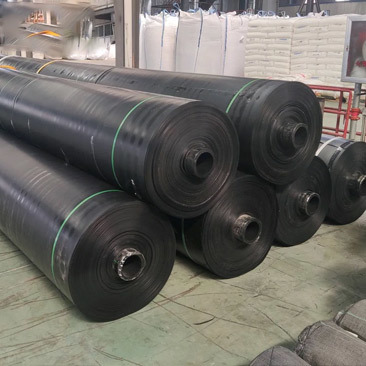
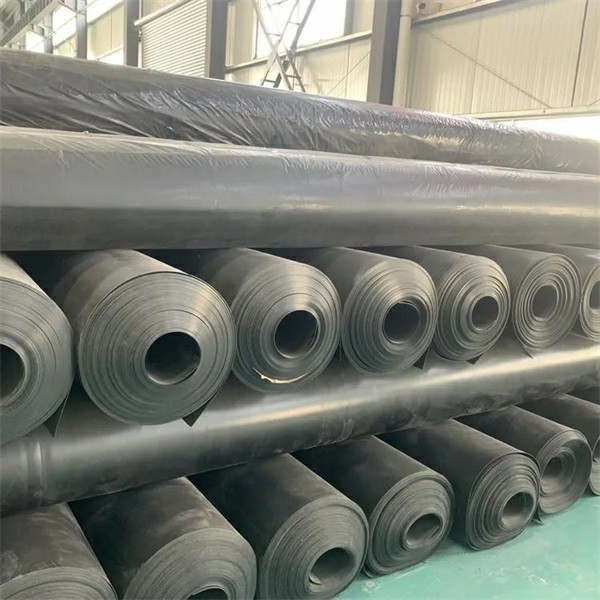
First off, let's break it down. Geotextiles, or 土工布 in Chinese, are permeable fabrics used to improve soil stability, drainage, and erosion control. On the flip side, geomembranes (土工膜) are waterproof barriers that prevent fluid migration in soil and are commonly used in landfills and reservoirs. Finally, we have geogrids (土工格栅), which are two-dimensional geosynthetic products designed to reinforce soil and provide structural support.
Why They Matter
Now, you might be wondering, "Why should I care about these materials?" Well, they’re critical in ensuring the longevity of our infrastructure! For instance, using geotextiles can drastically reduce soil erosion on slopes, protecting both natural landscapes and man-made structures. They also play a pivotal role in road construction, where they enhance the load-bearing capacity of the ground.
Real-World Applications
Imagine a bustling highway. You might not notice, but underneath that smooth asphalt lies a carefully engineered system of geotextiles and geogrids working tirelessly. These materials help distribute the weight of vehicles, preventing rutting and enhancing road durability.
Similarly, in environmental applications, geomembranes are used in landfill sites to contain hazardous materials, safeguarding our water supply. By acting as a barrier, these materials prevent leachate, or liquid that drains through solid waste, from contaminating the surrounding soil and groundwater.
Innovations on the Horizon
The industry is buzzing with excitement over new developments in geosynthetics. Innovations such as biodegradable geotextiles are making waves, offering environmentally friendly alternatives that decompose over time. This shift not only meets the growing demand for sustainable practices but also aligns with global efforts to combat climate change.
Challenges and Considerations
However, it’s not all sunshine and rainbows. The application of geotextiles, geomembranes, and geogrids comes with its own set of challenges. Proper installation is crucial; otherwise, these materials may not perform as intended. Engineers and contractors must be well-versed in the best practices to ensure the longevity and efficacy of these geosynthetics.
The Future Looks Bright
With advancements in technology and materials science, the future of geosynthetics looks promising. As urbanization continues to rise, the need for efficient and sustainable solutions will only grow. So, the next time you drive down a highway or see a new construction project, take a moment to appreciate the essential role that geotextiles, geomembranes, and geogrids play in shaping our world.
Conclusion
In summary, geosynthetics are not just a footnote in the world of construction; they are the backbone of many successful infrastructure projects. By understanding and appreciating the role of 土工布, 土工膜, and 土工格栅, we can better advocate for their use and push for innovations that will pave the way for a more sustainable future.
CONTACT US
Address: Shuangyi Road, Lingcheng District, Dezhou City, Shandong Province


GET A DEDICATED QUOTATION