


Innovative Applications of Geotextiles, Geomembranes, and Geogrids in Modern Engineering
Release time:
2025-05-19
Explore the transformative role of geotextiles, geomembranes, and geogrids in various industries.
Introduction to Geosynthetics
When it comes to construction and environmental engineering, the terms geotextiles, geomembranes, and geogrids often pop up. These materials, known as 土工布 (geotextiles), 土工膜 (geomembranes), and 土工格栅 (geogrids), are essential for various applications. They do everything from soil stabilization to drainage management. It's fascinating how these materials can make or break a project!
What Are Geotextiles?
Geotextiles are permeable fabrics used in civil engineering. They help with filtration, separation, and drainage. Imagine building a road on soft soil—without geotextiles, you'd be in a pickle. These materials reinforce the soil, preventing erosion and ensuring stability. They come in woven and non-woven forms, making them versatile for different projects.
The Role of Geomembranes
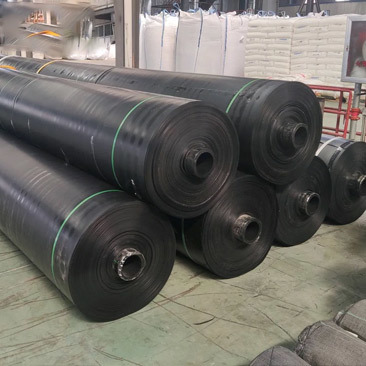
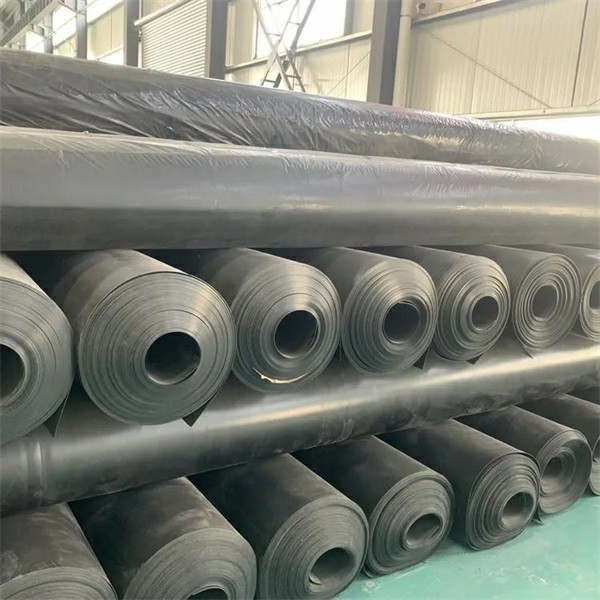
Now, let's dive into geomembranes. These are impermeable membranes used primarily for containment. Think of them as the protective layer in landfills or ponds. They prevent leakage of liquids and gases, acting as a barrier against contamination. Pretty nifty, right? In fact, geomembranes are vital in numerous industries, including waste management and aquaculture.
Geogrids: The Support System
Last but not least, we have geogrids. These materials provide reinforcement, especially in areas subjected to heavy loads. They're like the backbone of a structure, allowing for better load distribution. When used in road construction or retaining walls, geogrids enhance stability while minimizing material usage. Talk about a win-win!
Real-World Applications
So, where do these materials shine? Let’s take a peek at some industry cases that highlight their importance.
Case Study: Coastal Protection
In coastal regions, erosion is a significant concern. A recent project involved using geotextiles and geomembranes to construct a robust barrier against ocean waves. The results? Reduced erosion and enhanced shoreline stability. Local communities were thrilled to see their beaches preserved, all thanks to 土工布 and 土工膜.
Case Study: Road Construction
In a different scenario, a highway construction project faced soil instability. The engineers decided to use 土工格栅 to reinforce the base layer. The outcome was remarkable—fewer materials were used while achieving greater load-bearing capacity. This innovative approach not only saved money but also reduced the project’s environmental footprint.
Case Study: Landfill Management
Landfills are notorious for their environmental impact. However, with the application of geomembranes, the situation is changing. A recent landfill project implemented 土工膜 to create a protective barrier, preventing leachate from contaminating groundwater. The project has set a new standard for sustainable waste management.
The Future of Geosynthetics
The future looks bright for geosynthetics! With ongoing advancements in material technology, we can expect even more innovative applications. From enhancing infrastructure resilience to promoting environmental sustainability, the possibilities are endless. Engineers and environmentalists alike are excited about the potential these materials hold.
Conclusion
In summary, 土工布 (geotextiles), 土工膜 (geomembranes), and 土工格栅 (geogrids) are more than just technical jargon; they are game-changers in modern engineering. Their applications are vast, and as we continue to innovate, these materials will play an even more critical role in shaping our world. So, whether you’re a construction professional or an eco-conscious citizen, keep an eye on these fascinating materials!
CONTACT US
Address: Shuangyi Road, Lingcheng District, Dezhou City, Shandong Province


GET A DEDICATED QUOTATION