


Demystifying Geosynthetics: Common Questions about Geotextiles, Geomembranes, and Geogrids
Release time:
2025-05-22
Explore common questions and insights about geotextiles, geomembranes, and geogrids in construction.
Understanding Geosynthetics
When it comes to construction and civil engineering, the term "geosynthetics" pops up quite a bit. But, what exactly does it entail? Well, buckle up, because we’re diving into the fascinating world of geotextiles, geomembranes, and geogrids! These materials are the unsung heroes of modern construction, ensuring stability and durability in various applications.
What Are Geotextiles?
First off, let’s talk about geotextiles, or 土工布 (tǔ gōng bù). They’re essentially permeable fabrics used in association with soil structures. Think of them as the protective layer that helps manage water and enhance stability. These materials are widely used in roads, railways, and even landfills. They not only separate different layers of soil but also provide filtration and drainage. Pretty nifty, right?
Geomembranes: The Barrier Builders
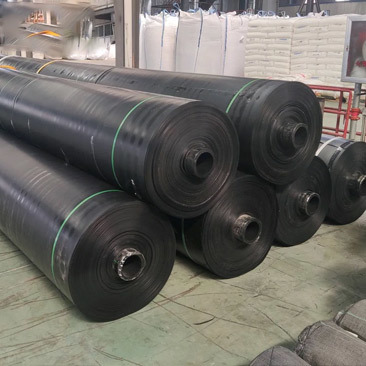
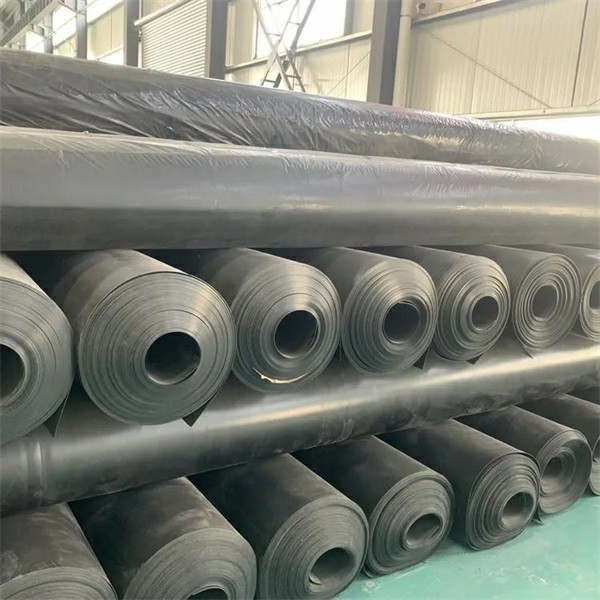
Next up, we have geomembranes, or 土工膜 (tǔ gōng mó). If geotextiles are the first line of defense, geomembranes are the fortress walls. These impermeable membranes are crucial for preventing fluid migration in soil and water, making them indispensable in landfill liners, pond liners, and even in hydraulic applications. Essentially, they keep the bad stuff where it belongs!
Geogrids: The Structural Support
Now, let’s not forget about geogrids, known as 土工格栅 (tǔ gōng gé shān). These are like the skeletons of construction projects. They provide reinforcement and stability, especially in retaining walls and road bases. By distributing loads, geogrids enhance the overall strength of the soil structure, making them a must-have for engineers looking to boost the longevity of their projects.
Common Questions about Geosynthetics
Alright, enough of the basics! Let’s tackle some common questions that pop up regarding these materials:
1. How do I choose the right geosynthetic material?
Choosing the right material can feel like finding a needle in a haystack. It all boils down to the specific requirements of your project. Consider factors like drainage needs, soil type, and load-bearing requirements. Consulting with a geotechnical engineer can really help narrow down the options!
2. Can geosynthetics be recycled?
Ah, the million-dollar question! The good news is that many geosynthetic materials can indeed be recycled. However, the process can vary by type and manufacturer. Always check with your supplier about recycling options to keep your project eco-friendly!
3. Are geosynthetics really cost-effective?
Absolutely! While the upfront costs might raise a few eyebrows, the long-term savings are undeniable. By reducing maintenance costs and extending the lifespan of your project, geosynthetics can save you a pretty penny in the long run. It’s like investing in a good pair of shoes—pay a little more now, and they’ll last you ages!
4. Where are geosynthetics commonly used?
From highways to sports fields, geosynthetics are everywhere! You’ll find them in drainage systems, erosion control, and even in landscaping. Their versatility makes them a staple in various industries, proving that they can handle just about anything you throw at them.
Final Thoughts
So there you have it! A whirlwind tour through the world of geotextiles, geomembranes, and geogrids. These materials play a vital role in ensuring the success of countless construction projects, all while protecting our environment. Next time you hear someone mention 土工布, 土工膜, or 土工格栅, you’ll be armed with knowledge to impress!
Remember, the right geosynthetic can make all the difference. So, do your homework, consult the experts, and embark on your construction journey with confidence!
CONTACT US
Address: Shuangyi Road, Lingcheng District, Dezhou City, Shandong Province


GET A DEDICATED QUOTATION