


Understanding LDPE Geomembranes: Essential Insights for the Chemical and Plastics Industry
Release time:
2026-11-20
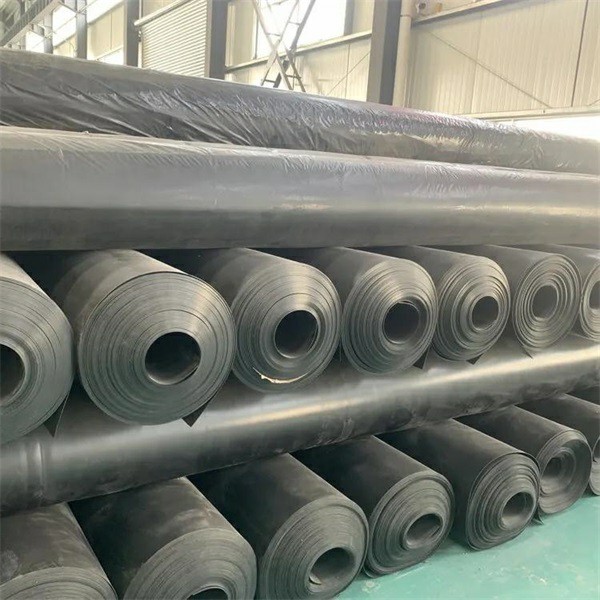
LDPE (Low-Density Polyethylene) geomembranes are versatile plastic sheets used primarily for environmental protection and containment applications. These geomembranes are constructed from low-density polyethylene, which provides them with excellent flexibility, durability, and chemical resistance. This article delves into the characteristics, benefits, and applications of LDPE geomembranes, partic
LDPE (Low-Density Polyethylene) geomembranes are versatile plastic sheets used primarily for environmental protection and containment applications. These geomembranes are constructed from low-density polyethylene, which provides them with excellent flexibility, durability, and chemical resistance. This article delves into the characteristics, benefits, and applications of LDPE geomembranes, particularly within the chemical and plastics industry.
One of the key advantages of LDPE geomembranes is their exceptional resistance to a wide range of chemicals, making them an ideal choice for containment projects involving hazardous materials. The low-density structure allows for easier handling and installation, which can be crucial in time-sensitive projects. Moreover, these geomembranes are lightweight, making transportation and deployment more efficient, further enhancing their practicality in various applications.
In the chemical industry, LDPE geomembranes play a crucial role in preventing contamination of soil and groundwater. They are commonly used in landfills, mining operations, and wastewater treatment facilities to contain leachates and other pollutants. Their impermeability ensures that harmful substances do not permeate the environment, thereby protecting ecosystems and public health.
In addition to environmental protection, LDPE geomembranes are widely utilized in agricultural applications. They can be used to create efficient irrigation systems, control soil moisture levels, and manage runoff in agricultural fields. Their flexibility allows them to conform to uneven surfaces, ensuring comprehensive coverage and effective water management.
Furthermore, LDPE geomembranes are often employed in the construction of artificial lakes, ponds, and reservoirs. Their ability to retain water while preventing seepage makes them an excellent choice for water conservation projects. The longevity of these geomembranes also contributes to sustainable practices within the industry, as they require minimal maintenance over time.
Another noteworthy aspect of LDPE geomembranes is their compatibility with various installation methods. They can be welded, mechanically fastened, or secured with earth-cover applications, allowing for adaptability in different project requirements. This versatility not only simplifies the installation process but also ensures that the geomembranes can be used effectively across diverse environments.
In conclusion, LDPE geomembranes are an essential component in the chemical and plastics industry, providing reliable solutions for environmental protection, agricultural applications, and construction projects. Their unique properties, coupled with ease of installation, make them a preferred choice for professionals seeking effective and efficient containment strategies. By understanding the advantages and applications of LDPE geomembranes, industry stakeholders can make informed decisions that enhance project outcomes while safeguarding the environment.
Previous Page

CONTACT US
Address: Shuangyi Road, Lingcheng District, Dezhou City, Shandong Province


GET A DEDICATED QUOTATION