


Understanding Geomembrane Liners: Essential Insights for Construction Projects
Release time:
2026-03-23
Geomembrane liners are crucial components in various construction and civil engineering projects. They serve as impermeable barriers, primarily used to control the movement of fluids or gases in subsurface environments. Composed of synthetic materials, geomembranes are designed to prevent contamination and protect the integrity of the surrounding environment. One of the primary applications of geo
Geomembrane liners are crucial components in various construction and civil engineering projects. They serve as impermeable barriers, primarily used to control the movement of fluids or gases in subsurface environments. Composed of synthetic materials, geomembranes are designed to prevent contamination and protect the integrity of the surrounding environment.
One of the primary applications of geomembrane liners is in waste containment systems. In landfills, these liners are essential for preventing leachate—the liquid that drains or 'leaches' from a landfill—from contaminating nearby soil and groundwater. This application is vital for protecting public health and the environment, making geomembrane liners indispensable in modern waste management practices.
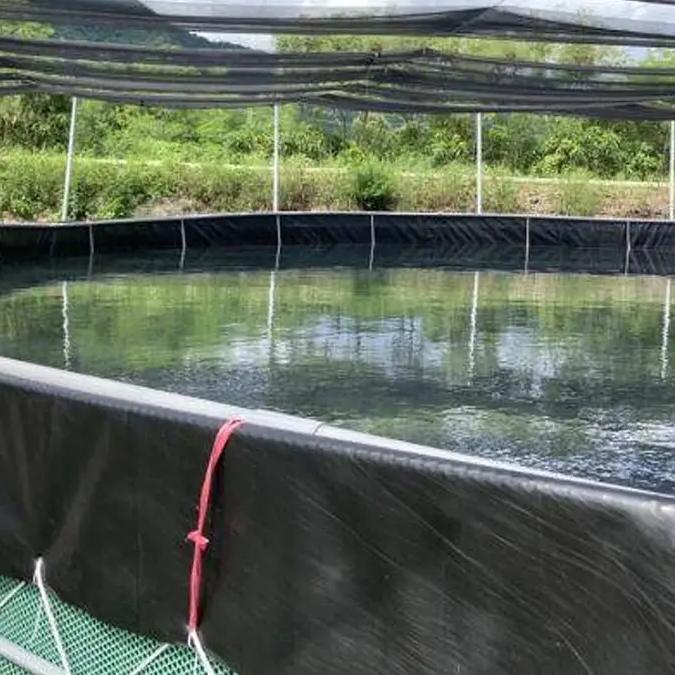
Another significant use of geomembranes is in water containment solutions, such as ponds, lagoons, and reservoirs. These liners help to minimize water loss due to seepage and evaporation, ensuring that water resources are effectively preserved. In agricultural settings, geomembrane liners can also be used in irrigation systems to enhance water efficiency, thereby supporting sustainable farming practices.
The effectiveness of geomembrane liners largely depends on their material composition. Common materials include high-density polyethylene (HDPE), linear low-density polyethylene (LLDPE), and polyvinyl chloride (PVC). Each material has unique properties that make it suitable for different applications. For example, HDPE is known for its durability and resistance to punctures and chemical damage, making it ideal for landfill applications. On the other hand, PVC may be preferred for applications requiring flexibility.
When selecting a geomembrane liner, it is essential to consider factors such as thickness, chemical resistance, and installation methods. Proper installation is critical to ensure the longevity and effectiveness of the liner. It is advisable to work with experienced professionals who understand the specific requirements of the project and the characteristics of the geomembrane material being used.
In conclusion, geomembrane liners play a vital role in the construction and environmental sectors. Their ability to provide an effective barrier against fluid movement makes them an essential component in waste management, water containment, and various civil engineering applications. By understanding the capabilities and proper usage of geomembrane liners, stakeholders in the construction industry can significantly improve project outcomes while safeguarding the environment.
One of the primary applications of geomembrane liners is in waste containment systems. In landfills, these liners are essential for preventing leachate—the liquid that drains or 'leaches' from a landfill—from contaminating nearby soil and groundwater. This application is vital for protecting public health and the environment, making geomembrane liners indispensable in modern waste management practices.
Another significant use of geomembranes is in water containment solutions, such as ponds, lagoons, and reservoirs. These liners help to minimize water loss due to seepage and evaporation, ensuring that water resources are effectively preserved. In agricultural settings, geomembrane liners can also be used in irrigation systems to enhance water efficiency, thereby supporting sustainable farming practices.
The effectiveness of geomembrane liners largely depends on their material composition. Common materials include high-density polyethylene (HDPE), linear low-density polyethylene (LLDPE), and polyvinyl chloride (PVC). Each material has unique properties that make it suitable for different applications. For example, HDPE is known for its durability and resistance to punctures and chemical damage, making it ideal for landfill applications. On the other hand, PVC may be preferred for applications requiring flexibility.
When selecting a geomembrane liner, it is essential to consider factors such as thickness, chemical resistance, and installation methods. Proper installation is critical to ensure the longevity and effectiveness of the liner. It is advisable to work with experienced professionals who understand the specific requirements of the project and the characteristics of the geomembrane material being used.
In conclusion, geomembrane liners play a vital role in the construction and environmental sectors. Their ability to provide an effective barrier against fluid movement makes them an essential component in waste management, water containment, and various civil engineering applications. By understanding the capabilities and proper usage of geomembrane liners, stakeholders in the construction industry can significantly improve project outcomes while safeguarding the environment.

CONTACT US
Address: Shuangyi Road, Lingcheng District, Dezhou City, Shandong Province


GET A DEDICATED QUOTATION