


Building Resilience with Composite Geomembranes in Construction Projects
Release time:
2026-03-22
Building Resilience with Composite Geomembranes in Construction Projects Introduction to Composite Geomembranes In the ever-evolving world of construction, **composite geomembranes** have emerged as a critical component for enhancing project durability and sustainability. These advanced materials, known for their exceptional barrier properties, are revolutionizing how we manage water, waste, and e
Building Resilience with Composite Geomembranes in Construction Projects
Introduction to Composite Geomembranes
In the ever-evolving world of construction, **composite geomembranes** have emerged as a critical component for enhancing project durability and sustainability. These advanced materials, known for their exceptional barrier properties, are revolutionizing how we manage water, waste, and environmental challenges on construction sites. This article delves into the multifaceted role of composite geomembranes in construction, highlighting their applications, advantages, and best practices for implementation.
Understanding Composite Geomembranes
What Are Composite Geomembranes?
Composite geomembranes are engineered materials consisting of two or more layers that work together to provide enhanced performance compared to traditional geomembranes. Typically, they combine a polymeric layer, such as polyethylene or polypropylene, with a fabric layer, enhancing mechanical strength and chemical resistance. This sophisticated construction allows for superior impermeability and durability, making them ideal for various applications in construction and environmental protection.
Key Features of Composite Geomembranes
Some of the standout features of composite geomembranes include:
- **High Resistance to Puncture and Tear:** The multi-layer structure ensures that these materials can withstand harsh conditions without compromising their integrity.
- **Chemical Resistance:** Composite geomembranes are resistant to a wide range of chemicals, making them suitable for containment applications in hazardous environments.
- **UV Stability:** Many composite geomembranes are designed to resist degradation from ultraviolet light, extending their lifespan in outdoor applications.
- **Flexibility and Ease of Installation:** The lightweight nature of these materials allows for easier handling and installation, reducing labor costs and time on the project.
Applications of Composite Geomembranes in Construction
1. Landfills and Waste Management
One of the primary applications of composite geomembranes is in **landfill liners**. These barriers prevent leachate and contaminated water from seeping into the ground, protecting groundwater resources. Moreover, geomembranes help manage methane gas emissions by providing a sealed environment within the landfill.
2. Water Reservoirs and Containment Ponds
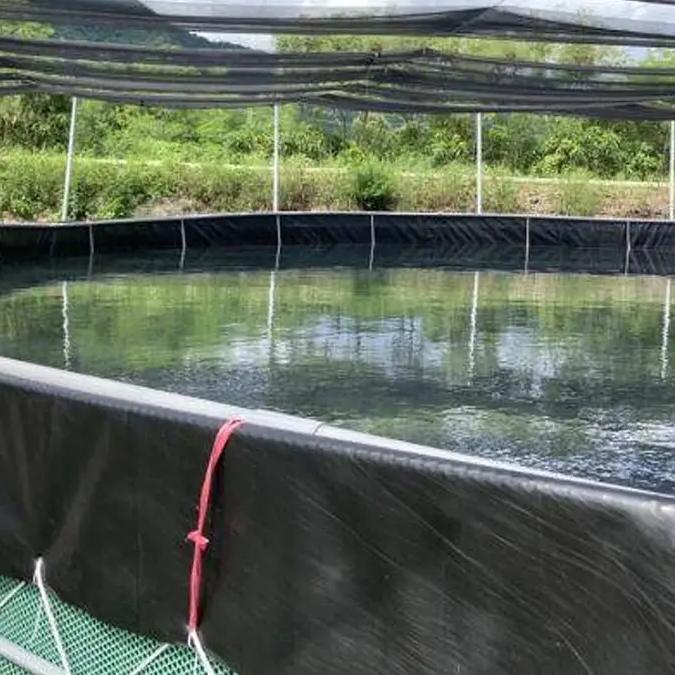
Composite geomembranes are widely used in the construction of **water reservoirs**, retention basins, and containment ponds. Their impermeable properties ensure that water is retained effectively, minimizing evaporation losses and contamination from external sources.
3. Mining Applications
In the mining sector, composite geomembranes serve as vital components for tailings storage facilities and heap leach pads. They help contain hazardous materials and prevent environmental contamination, thereby adhering to strict regulatory requirements.
4. Agricultural Applications
Composite geomembranes are increasingly used in agriculture for **pond liners** and irrigation systems. They help retain water, reducing the overall need for irrigation and enhancing water conservation efforts.
The Advantages of Using Composite Geomembranes
Enhanced Durability
The multi-layer composition of composite geomembranes not only provides superior durability but also extends the lifespan of various applications. With resistance to environmental factors such as UV radiation, chemicals, and physical wear, these materials stand the test of time.
Cost-Effectiveness
While the initial cost of composite geomembranes may be higher than that of traditional materials, their long-term benefits outweigh the investment. The durability and low maintenance requirements result in significant savings over time, making them a cost-effective solution for construction projects.
Environmental Benefits
Using composite geomembranes contributes to environmentally responsible construction practices. By effectively controlling leachate and preventing groundwater contamination, these materials play an essential role in protecting ecosystems and adhering to environmental regulations.
Best Practices for Installing Composite Geomembranes
1. Site Assessment and Preparation
Before installation, conducting a thorough site assessment is crucial. This includes evaluating soil conditions, environmental considerations, and potential hazards. Proper site preparation, including clearing debris and leveling surfaces, ensures optimal installation conditions.
2. Material Selection
Choosing the right type of composite geomembrane for each specific application is vital. Factors such as chemical exposure, temperature fluctuations, and mechanical stresses should guide the selection process. Consulting with manufacturers can provide valuable insights into the most suitable materials.
3. Proper Installation Techniques
Adhering to manufacturer guidelines during installation is essential for ensuring the efficacy of composite geomembranes. This includes following recommended techniques for seaming, anchoring, and protecting the geomembrane from damage during and after installation.
4. Quality Assurance and Testing
Implementing a rigorous quality assurance program guarantees that the geomembranes perform as intended. This may include field testing for permeability, installation inspections, and regular maintenance assessments to identify potential issues before they escalate.
Future Trends in Composite Geomembranes
As the construction industry evolves, so too does the technology behind composite geomembranes. Innovations may include:
- **Smart Materials:** Research is ongoing into the development of smart geomembranes that can self-heal or provide real-time monitoring of their condition.
- **Sustainability Initiatives:** The push for greener building materials is leading to the exploration of bio-based geomembranes and recycling processes for existing materials.
- **Enhanced Performance Features:** Ongoing advancements in material science may yield geomembranes with even greater resistance to extreme temperatures, punctures, and chemical degradation.
Frequently Asked Questions (FAQs)
1. What are composite geomembranes used for?
Composite geomembranes are primarily used for containment applications in landfills, water reservoirs, mining operations, and agricultural systems, ensuring environmental protection and resource management.
2. How long do composite geomembranes last?
With proper installation and maintenance, composite geomembranes can last several decades, providing long-lasting protection and durability in various applications.
3. Are composite geomembranes environmentally friendly?
Yes, composite geomembranes contribute to environmental protection by preventing leachate and contamination, thus promoting sustainable construction practices.
4. Can composite geomembranes be recycled?
While recycling options are limited, some manufacturers are exploring processes to recycle geomembranes at the end of their life cycle, contributing to a circular economy.
5. How should I maintain composite geomembranes after installation?
Regular inspections for signs of damage, proper maintenance of surrounding landscapes, and adherence to recommended practices are essential for ensuring the longevity of composite geomembranes.
Conclusion
In conclusion, composite geomembranes represent a transformative advancement in construction materials, offering unparalleled resilience and sustainability. Their diverse applications, coupled with their benefits in terms of durability, cost-effectiveness, and environmental protection, make them a crucial component in modern construction projects. By understanding their features and adhering to best practices for installation and maintenance, construction professionals can leverage composite geomembranes to build structures that stand the test of time, ensuring a safer and more sustainable future.

CONTACT US
Address: Shuangyi Road, Lingcheng District, Dezhou City, Shandong Province


GET A DEDICATED QUOTATION