


Understanding the Importance and Applications of Geomembranes in Construction
Release time:
2026-03-15
Geomembranes are a vital component in the construction and civil engineering sectors, especially when it comes to water management, waste containment, and environmental protection. These synthetic membranes are typically made from high-density polyethylene (HDPE), low-density polyethylene (LDPE), or polyvinyl chloride (PVC), and they offer excellent impermeability, durability, and chemical resista
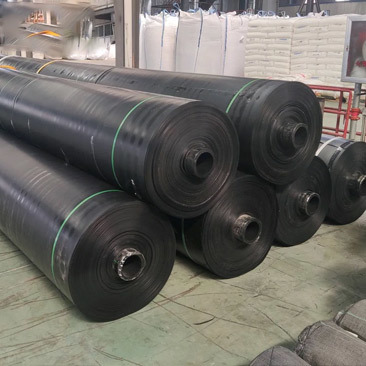
Geomembranes are a vital component in the construction and civil engineering sectors, especially when it comes to water management, waste containment, and environmental protection. These synthetic membranes are typically made from high-density polyethylene (HDPE), low-density polyethylene (LDPE), or polyvinyl chloride (PVC), and they offer excellent impermeability, durability, and chemical resistance.
One of the primary applications of geomembranes is in the construction of landfill liners. They provide a barrier that prevents leachate—a toxic liquid formed when waste decomposes—from contaminating the surrounding soil and groundwater. By using geomembranes, construction professionals can ensure that waste management sites comply with environmental regulations, minimizing the risk of pollution.
Another significant application of geomembranes is in the construction of ponds and reservoirs. They are used to line these structures, preventing water loss due to seepage and ensuring that stored water remains uncontaminated. This is particularly important in agricultural settings, where water conservation is crucial for crop production. Moreover, geomembranes can be utilized in aquaculture to create confined environments for fish farming, thus improving yield and sustainability.
Geomembranes also play a critical role in the construction of underground structures such as tunnels and parking garages. They act as waterproofing barriers, protecting the integrity of the structure from groundwater infiltration. Using geomembranes in these applications helps prevent water damage that could compromise structural stability and lead to costly repairs down the line.
In addition to their functional properties, geomembranes contribute to project sustainability. By effectively managing water resources and preventing contamination, they help minimize the environmental impact of construction projects. This aligns with the growing emphasis on sustainable practices within the construction industry, where reducing the carbon footprint and protecting ecosystems are paramount.
When selecting geomembranes for a project, it is essential to consider factors such as thickness, material type, and installation methods. Proper installation is critical to ensure the effectiveness of geomembranes; any defects or improper sealing can lead to failure and potential environmental hazards.
In conclusion, geomembranes are indispensable materials in the construction and civil engineering industries. Their versatility and effectiveness in water management, waste containment, and environmental protection make them a preferred choice for various applications. Understanding their properties and applications can enable construction professionals to make informed decisions, ensuring project success while adhering to environmental standards.
One of the primary applications of geomembranes is in the construction of landfill liners. They provide a barrier that prevents leachate—a toxic liquid formed when waste decomposes—from contaminating the surrounding soil and groundwater. By using geomembranes, construction professionals can ensure that waste management sites comply with environmental regulations, minimizing the risk of pollution.
Another significant application of geomembranes is in the construction of ponds and reservoirs. They are used to line these structures, preventing water loss due to seepage and ensuring that stored water remains uncontaminated. This is particularly important in agricultural settings, where water conservation is crucial for crop production. Moreover, geomembranes can be utilized in aquaculture to create confined environments for fish farming, thus improving yield and sustainability.
Geomembranes also play a critical role in the construction of underground structures such as tunnels and parking garages. They act as waterproofing barriers, protecting the integrity of the structure from groundwater infiltration. Using geomembranes in these applications helps prevent water damage that could compromise structural stability and lead to costly repairs down the line.
In addition to their functional properties, geomembranes contribute to project sustainability. By effectively managing water resources and preventing contamination, they help minimize the environmental impact of construction projects. This aligns with the growing emphasis on sustainable practices within the construction industry, where reducing the carbon footprint and protecting ecosystems are paramount.
When selecting geomembranes for a project, it is essential to consider factors such as thickness, material type, and installation methods. Proper installation is critical to ensure the effectiveness of geomembranes; any defects or improper sealing can lead to failure and potential environmental hazards.
In conclusion, geomembranes are indispensable materials in the construction and civil engineering industries. Their versatility and effectiveness in water management, waste containment, and environmental protection make them a preferred choice for various applications. Understanding their properties and applications can enable construction professionals to make informed decisions, ensuring project success while adhering to environmental standards.

CONTACT US
Address: Shuangyi Road, Lingcheng District, Dezhou City, Shandong Province


GET A DEDICATED QUOTATION