


A Comprehensive Guide to the Diverse Types of PE Geomembrane Available for Construction and Environmental Applications
Release time:
2026-03-14
A Comprehensive Guide to the Diverse Types of PE Geomembrane Available for Construction and Environmental Applications In the world of construction and environmental management, the need for reliable, durable materials is paramount. One such material that has gained significant attention is the polyethylene (PE) geomembrane. These geomembranes serve various functions, from lining landfills to crea
A Comprehensive Guide to the Diverse Types of PE Geomembrane Available for Construction and Environmental Applications
In the world of construction and environmental management, the need for reliable, durable materials is paramount. One such material that has gained significant attention is the polyethylene (PE) geomembrane. These geomembranes serve various functions, from lining landfills to creating barriers for water retention. In this comprehensive guide, we will explore the different types of PE geomembranes available, their applications, advantages, and some frequently asked questions to help you make informed decisions for your projects.
Table of Contents
- Understanding Geomembranes
- What is PE Geomembrane?
- Types of PE Geomembranes
- High-Density Polyethylene (HDPE) Geomembranes
- Low-Density Polyethylene (LDPE) Geomembranes
- Linear Low-Density Polyethylene (LLDPE) Geomembranes
- Very Low-Density Polyethylene (VLDPE) Geomembranes
- Applications of PE Geomembranes
- Advantages of Using PE Geomembranes
- Installation Techniques for PE Geomembranes
- Maintenance and Care for PE Geomembranes
- Conclusion
- FAQs
Understanding Geomembranes
Geomembranes are synthetic membranes constructed from various materials, primarily used as barriers to fluid or gas migration in technical applications. They are essential in environmental protection and infrastructure projects, where they prevent contamination and manage water flow. Understanding the types of geomembranes and their characteristics is crucial for selecting the appropriate one for your project.
What is PE Geomembrane?
Polyethylene geomembranes, commonly referred to as PE geomembranes, are specifically designed for environmental and civil engineering applications. These membranes are made from polyethylene resins, offering a formidable barrier against liquids and gases. The flexibility, durability, and chemical resistance of PE geomembranes make them a popular choice in various industries, including waste management, mining, and water resource management.
Types of PE Geomembranes
There are several types of PE geomembranes, each with unique properties and applications. Understanding these different types will help you choose the right geomembrane for your specific needs.
High-Density Polyethylene (HDPE) Geomembranes
HDPE geomembranes are made from high-density polyethylene, known for their excellent mechanical strength and resistance to environmental stressors. They are ideal for applications that require robust durability, such as landfill liners, containment ponds, and oil spill cleanup efforts. The thickness of HDPE geomembranes typically ranges from 0.5 mm to 3.0 mm, making them suitable for various project specifications.
Low-Density Polyethylene (LDPE) Geomembranes
LDPE geomembranes offer a more flexible alternative to HDPE geomembranes. While they are less resistant to punctures and tears, their flexibility makes them easier to install in complex configurations. LDPE geomembranes are often used in applications where adaptability is required, such as reservoirs, aquaculture, and landfill cover systems. Their thickness usually ranges from 0.3 mm to 1.5 mm.
Linear Low-Density Polyethylene (LLDPE) Geomembranes
LLDPE geomembranes combine the benefits of both HDPE and LDPE, offering a balance of strength and flexibility. They are commonly used in environmental applications due to their excellent elongation and tensile strength. LLDPE geomembranes are suitable for use in waste containment, water management, and mining applications. Their thickness generally ranges from 0.5 mm to 2.0 mm.
Very Low-Density Polyethylene (VLDPE) Geomembranes
VLDPE geomembranes are the most flexible option among the PE geomembranes. They offer superior elongation properties and are often used in specialized applications, including geomembrane liners for ponds and lagoons. While they may not have the same puncture resistance as HDPE, their flexibility allows them to adapt to various underlying materials and structures. VLDPE geomembranes typically have a thickness of 0.3 mm to 1.0 mm.
Applications of PE Geomembranes
PE geomembranes have a wide range of applications across various industries. Here are some prominent uses:
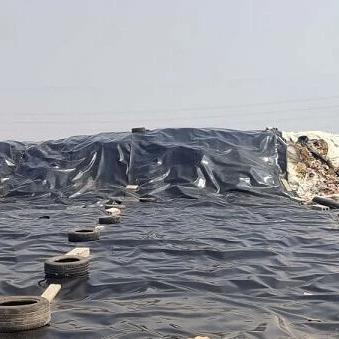
- Landfill Liners: HDPE geomembranes are commonly used as liners in landfills to prevent leachate from contaminating the surrounding soil and groundwater.
- Water Reservoirs: LDPE and LLDPE geomembranes are often used to line water reservoirs, ensuring minimal water loss through seepage.
- Aquaculture: In aquaculture, geomembranes create barriers that help manage water quality in fish farming.
- Mining Operations: These geomembranes are used to line containment ponds and heap leach pads, preventing toxic materials from escaping.
- Canal Linings: PE geomembranes are effective in lining canals and ditches, reducing water loss due to seepage.
Advantages of Using PE Geomembranes
The use of PE geomembranes in construction and environmental applications comes with numerous advantages:
- Durability: PE geomembranes are resistant to UV radiation, chemicals, and environmental stressors, ensuring long-term performance.
- Cost-Effectiveness: Their durability means lower maintenance and replacement costs over time.
- Flexibility: The flexibility of LDPE and LLDPE geomembranes allows for easier installation, even in challenging environments.
- Environmental Protection: PE geomembranes provide effective barriers that help prevent soil and water contamination.
- Customizable Thickness: The ability to choose different thicknesses allows for tailored solutions based on specific project needs.
Installation Techniques for PE Geomembranes
Proper installation is crucial to ensure the effectiveness of PE geomembranes. Here are some common installation techniques:
- Site Preparation: The installation site must be cleared of debris, sharp objects, and vegetation to prevent punctures.
- Geosynthetic Clay Liner (GCL): In some cases, a GCL may be used in conjunction with PE geomembranes to enhance sealing properties.
- Seaming Techniques: Various seaming methods, such as thermal fusion, extrusion welding, and adhesive bonding, are employed depending on the geomembrane type.
- Field Testing: After installation, field tests, such as vacuum tests, should be conducted to ensure the integrity of the seams and overall installation.
Maintenance and Care for PE Geomembranes
To maximize the lifespan and effectiveness of PE geomembranes, regular maintenance is essential. Here are some care tips:
- Regular Inspections: Conduct routine inspections to identify any signs of damage, such as tears or punctures.
- Cleaning: Keep the surface clean from debris and vegetation that may cause damage over time.
- Prompt Repairs: Address any damage immediately to prevent further deterioration.
- Monitoring: Implement a monitoring plan to assess the performance of the geomembrane over time.
Conclusion
PE geomembranes are essential components in the construction and environmental management sectors, offering a wide range of benefits and applications. Understanding the different types of PE geomembranes—HDPE, LDPE, LLDPE, and VLDPE—helps ensure you select the right material for your specific project needs. With proper installation and maintenance, these geomembranes can provide effective barriers against fluid and gas migration, protecting the environment and ensuring the longevity of your projects. By investing in high-quality PE geomembranes, you are not only enhancing the efficiency of your project but also contributing to sustainable environmental practices.
FAQs
1. What is the lifespan of PE geomembranes?
The lifespan of PE geomembranes can vary based on factors like exposure to UV light and chemical conditions, but they are generally designed to last for decades when properly installed and maintained.
2. Can PE geomembranes be recycled?
Yes, some types of PE geomembranes can be recycled, making them a more sustainable option for construction and environmental applications.
3. How do I choose the right type of PE geomembrane for my project?
Consider factors such as the environmental conditions, application requirements, and budget. Consulting with an expert can also help determine the best option.
4. What are the common challenges during the installation of PE geomembranes?
Common challenges include site preparation, ensuring proper seam integrity, and addressing environmental factors such as weather conditions during installation.
5. Are there any special tools required for installing PE geomembranes?
Installation may require specific tools such as welding machines, seam testers, and cutting tools to ensure accurate and effective placement.

CONTACT US
Address: Shuangyi Road, Lingcheng District, Dezhou City, Shandong Province


GET A DEDICATED QUOTATION