


The Essential Guide to PE Geomembrane in Construction Applications
Release time:
2026-02-27
Polyethylene (PE) geomembrane is a widely utilized construction material known for its exceptional waterproofing and durability properties. In the realm of civil engineering and construction, PE geomembranes are crafted from high-density polyethylene (HDPE) or linear low-density polyethylene (LLDPE), making them ideal for various applications, particularly in site construction. One of the primary
Polyethylene (PE) geomembrane is a widely utilized construction material known for its exceptional waterproofing and durability properties. In the realm of civil engineering and construction, PE geomembranes are crafted from high-density polyethylene (HDPE) or linear low-density polyethylene (LLDPE), making them ideal for various applications, particularly in site construction.
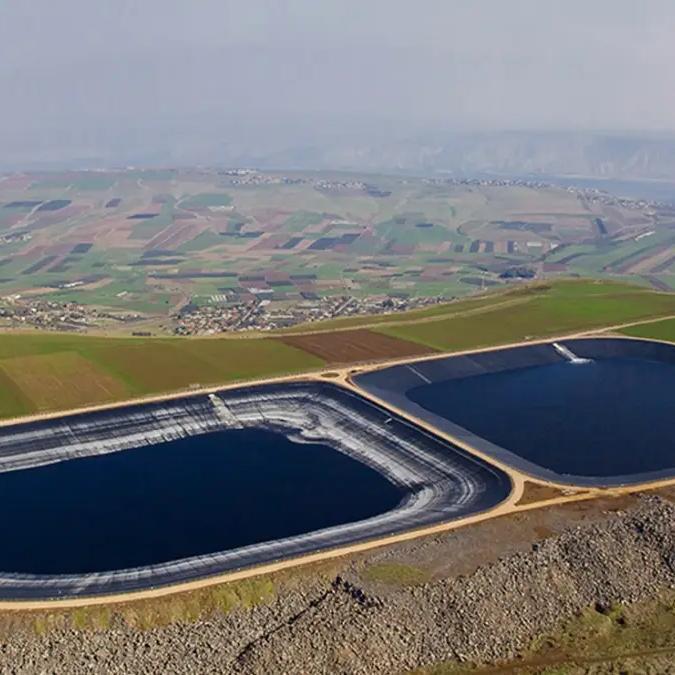
One of the primary advantages of PE geomembranes is their ability to provide an effective barrier against liquids and gases, thereby protecting underlying soil and groundwater from contamination. This characteristic is especially crucial in landfill construction, mining, and wastewater treatment facilities, where the risk of leachate or hazardous materials permeating the ground is significant. By incorporating PE geomembranes into these projects, contractors ensure that environmental safety standards are maintained and potential liabilities are minimized.
Another noteworthy aspect of PE geomembranes is their resilience against UV radiation and extreme environmental conditions. This durability allows them to perform effectively over extended periods, even in harsh climates. The material's flexibility and ease of installation further contribute to its popularity; PE geomembranes can be tailored to fit various project specifications and are relatively straightforward to deploy on-site, which can lead to time and cost savings during construction.
Moreover, the use of PE geomembranes can enhance the overall efficiency of drainage systems. By directing water flow and preventing erosion, these membranes help maintain the structural integrity of retaining walls, foundations, and other crucial infrastructure elements. It is essential for construction professionals to understand the specific requirements of each project to select the appropriate thickness and type of PE geomembrane. This selection will significantly impact the performance and longevity of the installation.
When installing PE geomembranes, best practices include ensuring a clean and smooth substrate, proper seam welding techniques, and thorough testing for leaks. Regular inspections and maintenance after installation are also recommended to identify any potential issues before they escalate.
In conclusion, PE geomembrane serves as an invaluable component in the construction sector, particularly in applications involving moisture management and environmental protection. Understanding its characteristics, benefits, and installation practices will empower professionals to make informed decisions and implement effective solutions in their respective projects. By leveraging the unique properties of PE geomembranes, construction teams can enhance project durability and sustainability, ensuring successful outcomes in their endeavors.
One of the primary advantages of PE geomembranes is their ability to provide an effective barrier against liquids and gases, thereby protecting underlying soil and groundwater from contamination. This characteristic is especially crucial in landfill construction, mining, and wastewater treatment facilities, where the risk of leachate or hazardous materials permeating the ground is significant. By incorporating PE geomembranes into these projects, contractors ensure that environmental safety standards are maintained and potential liabilities are minimized.
Another noteworthy aspect of PE geomembranes is their resilience against UV radiation and extreme environmental conditions. This durability allows them to perform effectively over extended periods, even in harsh climates. The material's flexibility and ease of installation further contribute to its popularity; PE geomembranes can be tailored to fit various project specifications and are relatively straightforward to deploy on-site, which can lead to time and cost savings during construction.
Moreover, the use of PE geomembranes can enhance the overall efficiency of drainage systems. By directing water flow and preventing erosion, these membranes help maintain the structural integrity of retaining walls, foundations, and other crucial infrastructure elements. It is essential for construction professionals to understand the specific requirements of each project to select the appropriate thickness and type of PE geomembrane. This selection will significantly impact the performance and longevity of the installation.
When installing PE geomembranes, best practices include ensuring a clean and smooth substrate, proper seam welding techniques, and thorough testing for leaks. Regular inspections and maintenance after installation are also recommended to identify any potential issues before they escalate.
In conclusion, PE geomembrane serves as an invaluable component in the construction sector, particularly in applications involving moisture management and environmental protection. Understanding its characteristics, benefits, and installation practices will empower professionals to make informed decisions and implement effective solutions in their respective projects. By leveraging the unique properties of PE geomembranes, construction teams can enhance project durability and sustainability, ensuring successful outcomes in their endeavors.
Previous Page

CONTACT US
Address: Shuangyi Road, Lingcheng District, Dezhou City, Shandong Province


GET A DEDICATED QUOTATION