


How to Select the Right Geomembrane Material for Your Needs: A Comprehensive Guide
Release time:
2025-12-11
How to Select the Right Geomembrane Material for Your Needs Table of Contents Introduction to Geomembranes Understanding Geomembranes Types of Geomembrane Materials High-Density Polyethylene (HDPE) Low-Density Polyethylene (LDPE) Polypropylene (PP) Ethylene Propylene Diene Monomer (EPDM) Polyvinyl Chloride (PVC)
How to Select the Right Geomembrane Material for Your Needs
Table of Contents
- Introduction to Geomembranes
- Understanding Geomembranes
- Types of Geomembrane Materials
- High-Density Polyethylene (HDPE)
- Low-Density Polyethylene (LDPE)
- Polypropylene (PP)
- Ethylene Propylene Diene Monomer (EPDM)
- Polyvinyl Chloride (PVC)
- Applications of Geomembranes
- Factors to Consider When Selecting Geomembrane Materials
- Cost Considerations
- The Installation Process of Geomembranes
- Maintenance and Durability of Geomembranes
- Conclusion
- Frequently Asked Questions
Introduction to Geomembranes
Geomembranes play a vital role in the construction, waste management, and environmental industries. They serve as barriers to contain liquids or gases, preventing contamination of soil and groundwater. Selecting the right geomembrane material can significantly influence the effectiveness, longevity, and overall success of your project. In this guide, we will delve into the various types of geomembranes, their applications, and the essential factors to consider when making your choice.
Understanding Geomembranes
A geomembrane is a synthetic membrane liner or barrier used in various applications for environmental protection. Made from flexible polymer materials, geomembranes are designed to retain fluids or gases, making them essential in landfill liners, pond liners, and other containment applications. Their effectiveness depends on factors such as material properties, installation quality, and environmental conditions.
Types of Geomembrane Materials
When selecting a geomembrane, understanding the various types available is essential. Each material has unique properties that cater to specific project needs.
High-Density Polyethylene (HDPE)
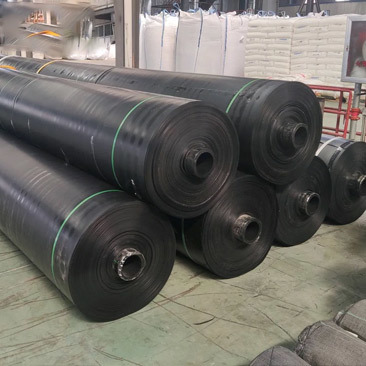
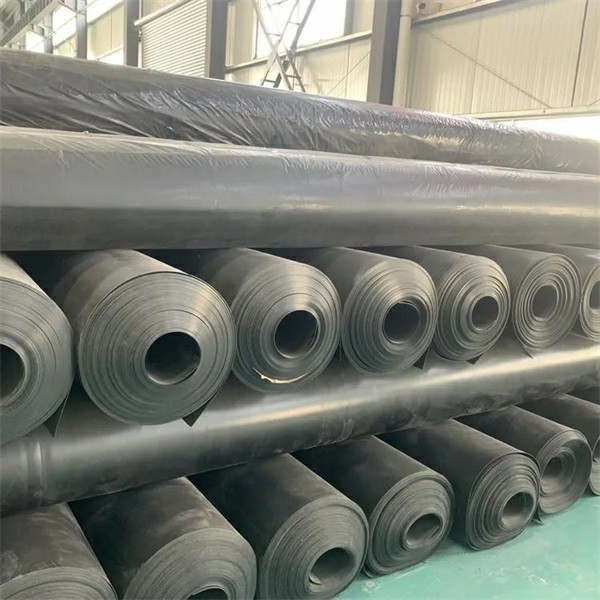
High-Density Polyethylene (HDPE) is one of the most commonly used geomembrane materials due to its excellent strength-to-density ratio. It provides superior chemical resistance, making it ideal for landfill liners and chemical containment. HDPE geomembranes are typically black, which enhances UV resistance, and are available in varying thicknesses.
Low-Density Polyethylene (LDPE)
Low-Density Polyethylene (LDPE) is more flexible than HDPE and is often used in applications where adaptability and conformability are critical. It is less resistant to punctures and chemicals compared to HDPE but can be beneficial in specific applications, such as temporary pond liners or agriculture.
Polypropylene (PP)
Polypropylene (PP) geomembranes offer excellent chemical resistance, particularly against organic solvents. They are lightweight and can be utilized in various applications, including wastewater treatment and aquaculture. Polypropylene is also more resistant to heat than other materials.
Ethylene Propylene Diene Monomer (EPDM)
Ethylene Propylene Diene Monomer (EPDM) geomembranes are known for their elasticity and durability in extreme weather conditions. They are suitable for applications requiring high flexibility, such as green roofs and pond liners. EPDM is also highly resistant to UV radiation.
Polyvinyl Chloride (PVC)
Polyvinyl Chloride (PVC) geomembranes are popular for their lightweight properties and easy installation. They offer good chemical resistance and are often used in applications such as irrigation and aquaculture. PVC materials can also be welded for added strength.
Applications of Geomembranes
Geomembranes find extensive usage across various sectors. Understanding these applications can help you determine the right material for your specific needs.
1. **Landfill Liners**: In waste management, geomembranes are critical for preventing leachate contamination of groundwater.
2. **Pond Liners**: Used in agricultural and aquaculture settings, geomembranes help retain water and prevent leakage.
3. **Containment Barriers**: For chemical storage and mining operations, geomembranes provide essential containment solutions.
4. **Green Roofs**: The flexibility and durability of certain geomembranes make them ideal for sustainable roofing applications.
5. **Transportation Infrastructure**: Used in road and railway construction, geomembranes help manage stormwater and prevent soil erosion.
Factors to Consider When Selecting Geomembrane Materials
When selecting a geomembrane material, it is vital to consider several key factors that can impact the performance and longevity of the material.
Chemical Resistance
Assess the types of chemicals the geomembrane will be exposed to. Different materials exhibit varying degrees of chemical resistance, making it crucial to match the geomembrane to the specific conditions of your project.
Temperature Tolerance
Consider the temperature extremes the geomembrane will face. Some materials, like EPDM, perform better in high temperatures, while others may degrade under extreme conditions.
UV Resistance
If the geomembrane will be exposed to sunlight, UV resistance is essential to prevent degradation. HDPE and EPDM offer high resistance, while other materials may require additional protective measures.
Puncture Resistance
Evaluate the potential for punctures or tears during installation or operation. HDPE geomembranes typically provide the best puncture resistance, making them a preferred choice for many applications.
Cost Considerations
The cost of geomembranes varies based on material type, thickness, and application. While it may be tempting to opt for the cheapest option, it is essential to consider the long-term benefits and potential savings of more durable materials. Investing in high-quality geomembranes can lead to reduced maintenance costs and extended service life.
The Installation Process of Geomembranes
Proper installation is critical to the performance of geomembranes. Engage experienced professionals to ensure that the installation process adheres to industry standards. Steps typically include:
1. **Site Preparation**: Ensure the substrate is clean, smooth, and free from sharp objects.
2. **Material Selection**: Choose the appropriate geomembrane based on the factors discussed.
3. **Welding and Seaming**: Utilize proper welding techniques to ensure strong seams and joints.
4. **Quality Assurance**: Conduct tests to verify the integrity and performance of the installed geomembrane.
Maintenance and Durability of Geomembranes
While geomembranes are designed to be durable, regular inspections and maintenance are crucial to ensure their long-term performance. Monitor for signs of wear, punctures, or chemical degradation and address any issues promptly to maintain the integrity of your containment solutions.
Conclusion
Selecting the right geomembrane material is a complex decision that requires careful consideration of various factors, including material properties, application requirements, installation processes, and maintenance needs. Understanding the different types of geomembranes, their unique characteristics, and the specific demands of your project will empower you to make an informed choice that enhances the success of your construction or environmental project.
Frequently Asked Questions
1. What is the primary purpose of geomembranes?
Geomembranes are used as barriers to contain liquids or gases and prevent soil and groundwater contamination.
2. What factors influence the choice of geomembrane material?
Factors include chemical resistance, temperature tolerance, UV resistance, puncture resistance, and cost considerations.
3. How long do geomembranes typically last?
The lifespan of geomembranes varies based on material type and environmental conditions, but with proper installation and maintenance, they can last several decades.
4. Can geomembranes be repaired if damaged?
Yes, most geomembrane materials can be repaired using specialized techniques, although prompt action is essential to prevent further damage.
5. What is the best geomembrane for landfill applications?
High-Density Polyethylene (HDPE) is often considered the best option due to its strong chemical resistance and durability under pressure.
CONTACT US
Address: Shuangyi Road, Lingcheng District, Dezhou City, Shandong Province


GET A DEDICATED QUOTATION