


Understanding Geomembranes: Essential Applications in Construction
Release time:
2025-12-10
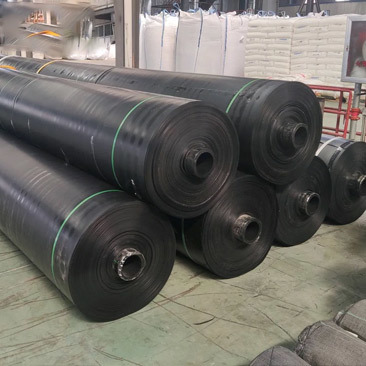
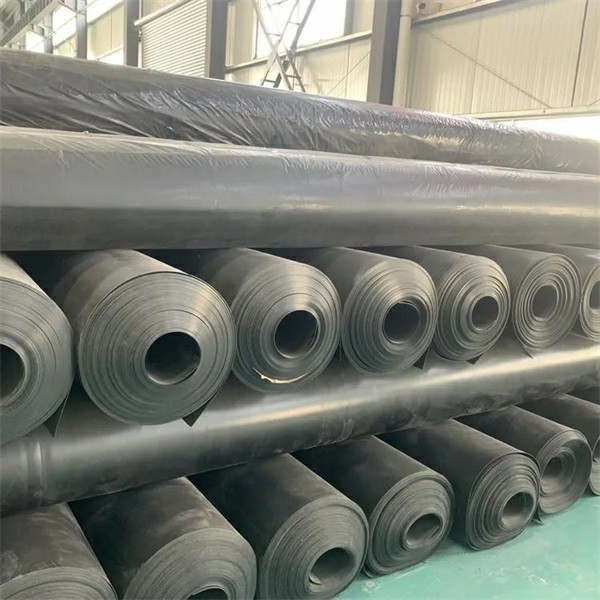
Geomembranes are synthetic membranes widely utilized in various construction and civil engineering applications. Primarily composed of polymer materials, these membranes serve as barriers to control fluid or gas migration in a variety of environments. Their unique properties make them indispensable in soil stabilization, waste containment, and environmental protection. One of the key functions of
Geomembranes are synthetic membranes widely utilized in various construction and civil engineering applications. Primarily composed of polymer materials, these membranes serve as barriers to control fluid or gas migration in a variety of environments. Their unique properties make them indispensable in soil stabilization, waste containment, and environmental protection.
One of the key functions of geomembranes in the construction sector is their ability to act as impermeable barriers. This is particularly important in applications such as landfill liners, where they prevent leachate from contaminating the surrounding soil and groundwater. The durability and chemical resistance of geomembranes ensure that these barriers maintain their integrity even in harsh conditions, thereby providing long-lasting protection against environmental hazards.
Another significant application of geomembranes is in water containment and management. They are commonly used in reservoirs, irrigation canals, and ponds to minimize water loss through evaporation or seepage. The installation of geomembranes in these systems not only enhances their efficiency but also promotes sustainable water management practices.
In addition to their protective roles, geomembranes contribute to the structural stability of construction projects. When used in conjunction with soil, they can help control erosion and stabilize slopes. This is especially important in areas prone to landslides or heavy rainfall. By integrating geomembranes into construction designs, engineers can enhance the resilience of structures and mitigate potential risks associated with soil movement and erosion.
The versatility of geomembranes extends to their applications in infrastructure projects as well. For instance, they are utilized in road construction to improve the load-bearing capacity of the subgrade and prevent water infiltration, which can weaken the road structure over time. The incorporation of geomembranes can lead to reduced maintenance costs and extended lifespan for roadways and highways.
Furthermore, geomembranes are beneficial in environmental restoration projects. They are often employed in contaminated site cleanups, where they can effectively isolate pollutants and prevent their spread into surrounding areas. This not only aids in site remediation but also ensures compliance with environmental regulations.
In summary, geomembranes are a pivotal component in the construction and civil engineering industries. Their impermeable nature, durability, and versatility make them ideal for a variety of applications, from waste containment to water management and soil stabilization. Understanding the benefits and applications of geomembranes can significantly enhance project efficiency and contribute to sustainability in construction practices. As the demand for environmentally responsible construction solutions grows, the use of geomembranes is likely to expand, reinforcing their importance in modern engineering.
One of the key functions of geomembranes in the construction sector is their ability to act as impermeable barriers. This is particularly important in applications such as landfill liners, where they prevent leachate from contaminating the surrounding soil and groundwater. The durability and chemical resistance of geomembranes ensure that these barriers maintain their integrity even in harsh conditions, thereby providing long-lasting protection against environmental hazards.
Another significant application of geomembranes is in water containment and management. They are commonly used in reservoirs, irrigation canals, and ponds to minimize water loss through evaporation or seepage. The installation of geomembranes in these systems not only enhances their efficiency but also promotes sustainable water management practices.
In addition to their protective roles, geomembranes contribute to the structural stability of construction projects. When used in conjunction with soil, they can help control erosion and stabilize slopes. This is especially important in areas prone to landslides or heavy rainfall. By integrating geomembranes into construction designs, engineers can enhance the resilience of structures and mitigate potential risks associated with soil movement and erosion.
The versatility of geomembranes extends to their applications in infrastructure projects as well. For instance, they are utilized in road construction to improve the load-bearing capacity of the subgrade and prevent water infiltration, which can weaken the road structure over time. The incorporation of geomembranes can lead to reduced maintenance costs and extended lifespan for roadways and highways.
Furthermore, geomembranes are beneficial in environmental restoration projects. They are often employed in contaminated site cleanups, where they can effectively isolate pollutants and prevent their spread into surrounding areas. This not only aids in site remediation but also ensures compliance with environmental regulations.
In summary, geomembranes are a pivotal component in the construction and civil engineering industries. Their impermeable nature, durability, and versatility make them ideal for a variety of applications, from waste containment to water management and soil stabilization. Understanding the benefits and applications of geomembranes can significantly enhance project efficiency and contribute to sustainability in construction practices. As the demand for environmentally responsible construction solutions grows, the use of geomembranes is likely to expand, reinforcing their importance in modern engineering.
CONTACT US
Address: Shuangyi Road, Lingcheng District, Dezhou City, Shandong Province


GET A DEDICATED QUOTATION