


The Essential Guide to Geomembranes: Understanding Their Role in Construction and Environmental Protection
Release time:
2025-11-20
Geomembranes are engineered synthetic membranes that serve as crucial components in various construction and environmental applications. These flexible sheets, typically made from materials such as polyethylene or polypropylene, are designed to control fluid movement in a wide range of projects. Understanding the properties and functionalities of geomembranes can greatly enhance their application
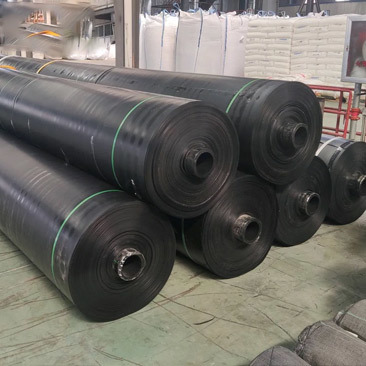
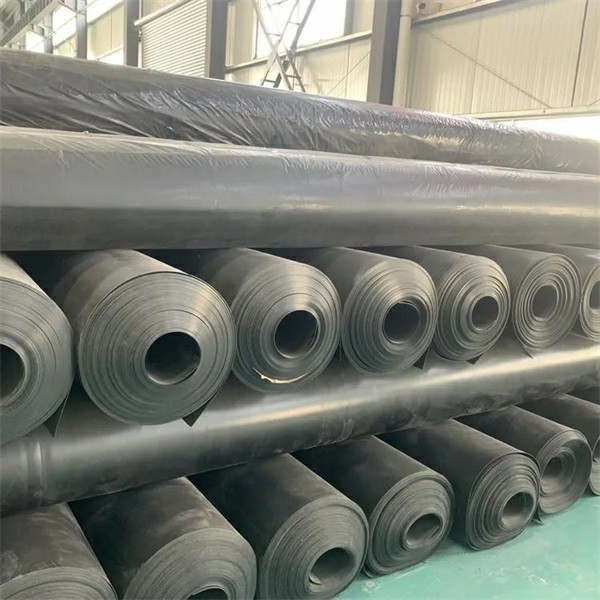
Geomembranes are engineered synthetic membranes that serve as crucial components in various construction and environmental applications. These flexible sheets, typically made from materials such as polyethylene or polypropylene, are designed to control fluid movement in a wide range of projects. Understanding the properties and functionalities of geomembranes can greatly enhance their application in construction sites and environmental protection efforts.
One of the primary uses of geomembranes is in the field of landfill management. They create a barrier that prevents leachate, which is contaminated liquid produced when waste decomposes, from infiltrating the surrounding soil and groundwater. This crucial function helps protect the environment and ensures compliance with legal regulations regarding waste management. In addition to landfills, geomembranes are also employed in mining operations to manage tailings and prevent the contamination of nearby water sources.
Another significant application of geomembranes is in water management systems, especially in the construction of ponds, reservoirs, and canals. The waterproof properties of these membranes help to minimize water loss due to seepage, thereby improving the efficiency of water storage systems. This is particularly beneficial in arid regions where water conservation is a critical concern.
In the realm of civil engineering, geomembranes are often utilized in the construction of retaining walls, embankments, and other earth structures. By providing a barrier that separates soil from water, geomembranes help maintain the integrity of these structures and reduce the risk of erosion. Their lightweight and flexible nature makes them easy to install, allowing for faster project completion and reduced labor costs.
The durability and resistance of geomembranes to various environmental factors, such as UV radiation and chemical exposure, contribute to their longevity and reliability. This makes them an ideal choice for projects that require a long-term solution for fluid containment. Additionally, the ease of repair and maintenance, combined with their cost-effectiveness, further enhances their appeal in the construction industry.
Furthermore, geomembranes play a vital role in stormwater management systems. They are used to create retention and detention basins that help control runoff and reduce the risk of flooding. By managing stormwater effectively, these membranes contribute to the preservation of local ecosystems and waterways.
In conclusion, geomembranes are indispensable materials in the construction and environmental sectors, offering solutions for fluid containment, erosion control, and water management. Their versatility and effectiveness make them a valuable asset in any construction project, ensuring both environmental protection and structural integrity. Understanding the diverse applications and benefits of geomembranes can help professionals make informed decisions in their respective fields, ultimately leading to more sustainable and efficient construction practices.
One of the primary uses of geomembranes is in the field of landfill management. They create a barrier that prevents leachate, which is contaminated liquid produced when waste decomposes, from infiltrating the surrounding soil and groundwater. This crucial function helps protect the environment and ensures compliance with legal regulations regarding waste management. In addition to landfills, geomembranes are also employed in mining operations to manage tailings and prevent the contamination of nearby water sources.
Another significant application of geomembranes is in water management systems, especially in the construction of ponds, reservoirs, and canals. The waterproof properties of these membranes help to minimize water loss due to seepage, thereby improving the efficiency of water storage systems. This is particularly beneficial in arid regions where water conservation is a critical concern.
In the realm of civil engineering, geomembranes are often utilized in the construction of retaining walls, embankments, and other earth structures. By providing a barrier that separates soil from water, geomembranes help maintain the integrity of these structures and reduce the risk of erosion. Their lightweight and flexible nature makes them easy to install, allowing for faster project completion and reduced labor costs.
The durability and resistance of geomembranes to various environmental factors, such as UV radiation and chemical exposure, contribute to their longevity and reliability. This makes them an ideal choice for projects that require a long-term solution for fluid containment. Additionally, the ease of repair and maintenance, combined with their cost-effectiveness, further enhances their appeal in the construction industry.
Furthermore, geomembranes play a vital role in stormwater management systems. They are used to create retention and detention basins that help control runoff and reduce the risk of flooding. By managing stormwater effectively, these membranes contribute to the preservation of local ecosystems and waterways.
In conclusion, geomembranes are indispensable materials in the construction and environmental sectors, offering solutions for fluid containment, erosion control, and water management. Their versatility and effectiveness make them a valuable asset in any construction project, ensuring both environmental protection and structural integrity. Understanding the diverse applications and benefits of geomembranes can help professionals make informed decisions in their respective fields, ultimately leading to more sustainable and efficient construction practices.
CONTACT US
Address: Shuangyi Road, Lingcheng District, Dezhou City, Shandong Province


GET A DEDICATED QUOTATION