


Understanding the Installation Process for Composite Geomembranes: A Comprehensive Guide
Release time:
2025-11-17
Understanding the Installation Process for Composite Geomembranes Composite geomembranes are a crucial component in modern construction and environmental management, particularly in applications involving containment and separation. This article delves into the comprehensive process of installing these materials, guiding you through each critical step. Table of Contents What Are Composite Ge
Understanding the Installation Process for Composite Geomembranes
Composite geomembranes are a crucial component in modern construction and environmental management, particularly in applications involving containment and separation. This article delves into the comprehensive process of installing these materials, guiding you through each critical step.
Table of Contents
- What Are Composite Geomembranes?
- Importance of Proper Installation
- Pre-Installation Preparations
- Step-by-Step Installation Process
- Post-Installation Checks
- Common Challenges and Solutions
- Maintenance and Performance
- Frequently Asked Questions (FAQs)
What Are Composite Geomembranes?
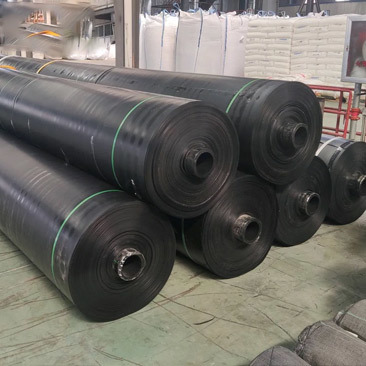
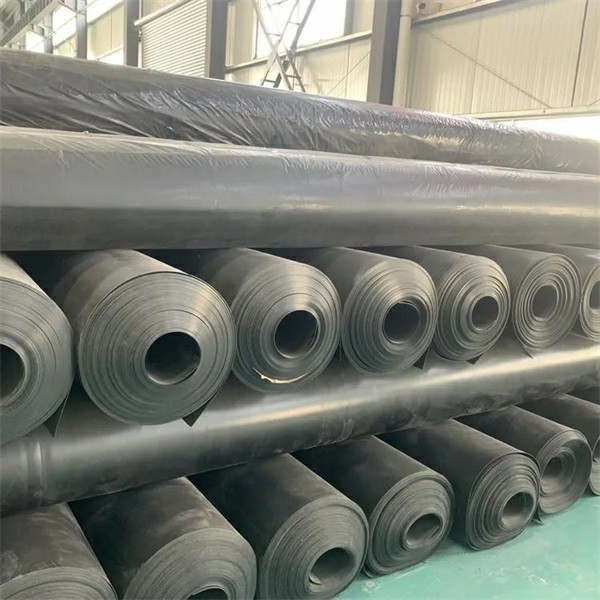
Composite geomembranes consist of two or more layers of materials, typically combining a flexible polymeric membrane with geotextiles. This configuration enhances their performance characteristics, including durability, flexibility, and resistance to chemical and environmental stressors. They are widely used in landfills, mining operations, and water containment projects.
Key Features and Benefits
Composite geomembranes offer multiple advantages:
- **High Chemical Resistance**: Suitable for use in environments with corrosive substances.
- **Durability**: Enhanced longevity due to the combined materials.
- **Flexibility**: Adaptable to various site conditions and geomorphic challenges.
- **Reduced Leak Potential**: Superior barrier properties minimize the risk of leaks.
Importance of Proper Installation
Effective installation of composite geomembranes is essential to achieve their intended function. Proper installation minimizes the risk of leaks and ensures the longevity of the containment system. It also affects the project's overall performance, regulatory compliance, and environmental safety.
Consequences of Poor Installation
Improper installation can lead to:
- **Environmental Hazards**: Potential leaks can cause contamination.
- **Increased Maintenance Costs**: Frequent repairs and inspections can burden project budgets.
- **Reduced Material Lifespan**: Poorly installed geomembranes may fail prematurely.
Pre-Installation Preparations
Before commencing installation, several preparatory steps are necessary to ensure a smooth process.
Site Assessment
Conduct a thorough site assessment to determine:
- **Soil Conditions**: Analyze for stability and suitability for installation.
- **Presence of Contaminants**: Identify any harmful substances that may affect geomembrane integrity.
Material Selection
Choose the appropriate geomembrane based on:
- **Intended Use**: Different applications require specific properties.
- **Environmental Conditions**: Consider temperature, moisture levels, and chemical exposure.
Equipment and Tools Required
Gather the necessary equipment, including:
- **Heavy Machinery**: For site preparation and material placement.
- **Measuring Tools**: For accurate dimensions and layout.
- **Safety Gear**: Ensure compliance with safety regulations to protect workers.
Step-by-Step Installation Process
The installation of composite geomembranes involves several critical steps outlined below.
1. Site Preparation
Begin by preparing the site:
- Clear debris and vegetation.
- Level the ground to create a stable base.
2. Subgrade Compaction
Compact the subgrade to eliminate voids that could compromise geomembrane integrity. This step is crucial to prevent settling and deformation.
3. Laying the Geomembrane
Carefully roll out the geomembrane across the prepared area:
- Align the edges to ensure proper coverage.
- Avoid wrinkles and folds during placement.
4. Joining the Seams
Seaming is vital for maintaining integrity:
- **Heat Welding**: Common method for thermoplastic membranes.
- **Adhesive Bonding**: Suitable for certain composite materials.
5. Backfilling and Covering
Once the seams are secure, backfill with soil or other materials as required. This step protects the geomembrane from physical damage.
6. Final Inspection
Conduct a rigorous inspection of the installation, checking for:
- Seam integrity
- Proper placement and alignment
- Absence of defects
Post-Installation Checks
After installation, several checks ensure everything is functioning correctly.
Documentation
Maintain detailed records of the installation process, including:
- Material specifications
- Construction drawings
- Inspection reports
Performance Monitoring
Implement a monitoring plan to assess:
- Leakage potential
- Environmental impact over time
- Physical condition of the geomembrane
Common Challenges and Solutions
Even with careful planning, challenges may arise during installation. Here are some common issues and their solutions.
Challenge 1: Weather Conditions
**Solution**: Monitor weather forecasts and schedule installations during favorable conditions.
Challenge 2: Material Damage
**Solution**: Use protective measures during installation, such as padding and careful handling.
Challenge 3: Improper Seaming
**Solution**: Invest in training for installation personnel to ensure proper seam techniques.
Maintenance and Performance
To maximize the lifespan and effectiveness of composite geomembranes, regular maintenance is essential.
Maintenance Strategies
- **Routine Inspections**: Conduct regular checks for signs of wear or damage.
- **Immediate Repairs**: Address any identified issues promptly to prevent escalation.
- **Environmental Monitoring**: Keep track of surrounding conditions that may affect performance.
Performance Evaluation
Evaluate the performance of the geomembrane:
- Assess its barrier effectiveness.
- Monitor for any unusual signs that could indicate failure.
Frequently Asked Questions (FAQs)
1. What is the average lifespan of a composite geomembrane?
The lifespan can vary, but many composite geomembranes last 20-30 years with proper installation and maintenance.
2. Can composite geomembranes be reused?
Yes, in some cases, they can be removed and reused, provided they are still in good condition.
3. What environmental conditions affect installation?
High moisture levels, extreme temperatures, and wind can all impact the installation process.
4. Are there specific standards for geomembrane installation?
Yes, various organizations, such as ASTM and ASCE, provide guidelines on installation best practices.
5. How do I choose the right geomembrane for my project?
Consider the specific application requirements, environmental conditions, and regulatory standards when selecting the appropriate geomembrane.
Conclusion
In conclusion, understanding the installation process for composite geomembranes is vital for anyone involved in construction or environmental management. By following the outlined steps, preparing adequately, and addressing challenges proactively, you can ensure a successful installation that meets both regulatory standards and project expectations. Through proper care and maintenance, the integrity and functionality of the geomembrane can be preserved for years, contributing to sustainable environmental practices and effective containment solutions.
CONTACT US
Address: Shuangyi Road, Lingcheng District, Dezhou City, Shandong Province


GET A DEDICATED QUOTATION