


The Versatility of Geomembrane Materials in Construction Projects
Release time:
2025-11-16
Geomembrane materials are synthetic membranes used primarily for impermeable barriers in construction and earthwork projects. They are crucial in various applications, including landfill liners, water reservoirs, and containment systems, thanks to their unique properties that prevent the passage of fluids and gases. Understanding the different types of geomembrane materials and their specific uses
Geomembrane materials are synthetic membranes used primarily for impermeable barriers in construction and earthwork projects. They are crucial in various applications, including landfill liners, water reservoirs, and containment systems, thanks to their unique properties that prevent the passage of fluids and gases. Understanding the different types of geomembrane materials and their specific uses can help construction professionals make informed decisions for their projects.
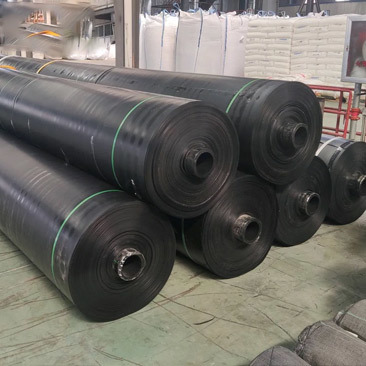
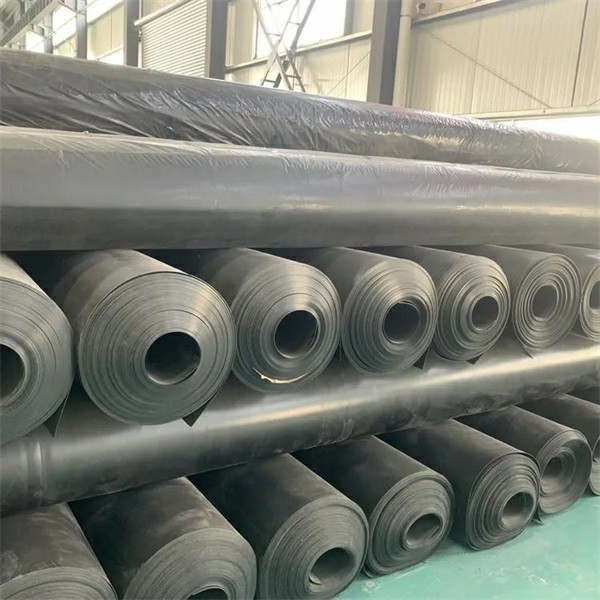
Typically made from polymers such as high-density polyethylene (HDPE), low-density polyethylene (LDPE), and polyvinyl chloride (PVC), geomembrane materials exhibit excellent chemical resistance and durability. Their thickness can vary based on application needs, but they often range from 0.5mm to 3mm. This flexibility in design allows for tailored solutions that meet the specific requirements of any construction site.
One of the primary benefits of using geomembrane materials is their ability to provide effective waterproofing solutions. In projects involving landfills, the geomembrane acts as a barrier that prevents leachate from contaminating groundwater, thereby protecting the environment. Similarly, in water containment systems, these membranes ensure that water loss through evaporation or seepage is minimized, which is especially vital in areas facing water scarcity.
Additionally, geomembranes are lightweight and relatively easy to handle, making them an excellent choice for a wide range of applications. Their installation is often quicker compared to traditional earthwork methods, reducing labor costs and project timelines. Furthermore, advancements in welding technology have improved the installation process, ensuring a secure and reliable seal between geomembrane sections.
The versatility of geomembrane materials extends to their application in various industries beyond construction. For example, they are increasingly used in agriculture for pond liners and in aquaculture for fish farming. Their adaptability highlights their significance in supporting sustainable practices across different sectors.
Furthermore, the environmental impact of geomembrane materials has been a topic of discussion among industry professionals. Modern geomembranes are often designed with an emphasis on sustainability, using recycled materials and being fully recyclable themselves. This commitment to eco-friendliness aligns with the growing demand for sustainable construction practices, making geomembranes an appealing choice for environmentally conscious builders.
In conclusion, geomembrane materials play a vital role in the construction industry, offering a range of benefits, including waterproofing, chemical resistance, and ease of installation. By understanding their properties and applications, construction professionals can leverage geomembranes to enhance project efficiency and sustainability. As technology continues to evolve, the potential for geomembrane materials in construction will only expand, leading to innovative solutions that meet the challenges of modern building practices.
Typically made from polymers such as high-density polyethylene (HDPE), low-density polyethylene (LDPE), and polyvinyl chloride (PVC), geomembrane materials exhibit excellent chemical resistance and durability. Their thickness can vary based on application needs, but they often range from 0.5mm to 3mm. This flexibility in design allows for tailored solutions that meet the specific requirements of any construction site.
One of the primary benefits of using geomembrane materials is their ability to provide effective waterproofing solutions. In projects involving landfills, the geomembrane acts as a barrier that prevents leachate from contaminating groundwater, thereby protecting the environment. Similarly, in water containment systems, these membranes ensure that water loss through evaporation or seepage is minimized, which is especially vital in areas facing water scarcity.
Additionally, geomembranes are lightweight and relatively easy to handle, making them an excellent choice for a wide range of applications. Their installation is often quicker compared to traditional earthwork methods, reducing labor costs and project timelines. Furthermore, advancements in welding technology have improved the installation process, ensuring a secure and reliable seal between geomembrane sections.
The versatility of geomembrane materials extends to their application in various industries beyond construction. For example, they are increasingly used in agriculture for pond liners and in aquaculture for fish farming. Their adaptability highlights their significance in supporting sustainable practices across different sectors.
Furthermore, the environmental impact of geomembrane materials has been a topic of discussion among industry professionals. Modern geomembranes are often designed with an emphasis on sustainability, using recycled materials and being fully recyclable themselves. This commitment to eco-friendliness aligns with the growing demand for sustainable construction practices, making geomembranes an appealing choice for environmentally conscious builders.
In conclusion, geomembrane materials play a vital role in the construction industry, offering a range of benefits, including waterproofing, chemical resistance, and ease of installation. By understanding their properties and applications, construction professionals can leverage geomembranes to enhance project efficiency and sustainability. As technology continues to evolve, the potential for geomembrane materials in construction will only expand, leading to innovative solutions that meet the challenges of modern building practices.
CONTACT US
Address: Shuangyi Road, Lingcheng District, Dezhou City, Shandong Province


GET A DEDICATED QUOTATION