


The Advantages of Using Geomembrane in Soil Stabilization
Release time:
2025-11-05
The Advantages of Using Geomembrane in Soil Stabilization In the ever-evolving landscape of construction and environmental management, geomembranes have emerged as a revolutionary solution in soil stabilization. These synthetic membranes serve a critical role in reinforcing ground structures, controlling water movement, and preventing contamination. In this article, we will explore the multifacete
The Advantages of Using Geomembrane in Soil Stabilization
In the ever-evolving landscape of construction and environmental management, geomembranes have emerged as a revolutionary solution in soil stabilization. These synthetic membranes serve a critical role in reinforcing ground structures, controlling water movement, and preventing contamination. In this article, we will explore the multifaceted advantages of using geomembranes in soil stabilization, covering their application, benefits, and common questions surrounding their use.
Understanding Geomembranes: What They Are and How They Work
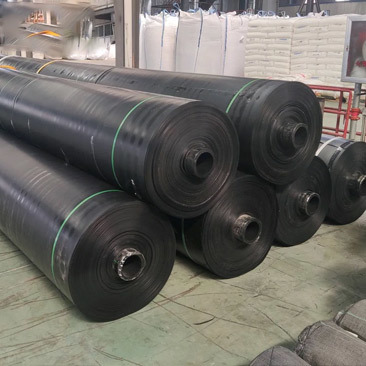
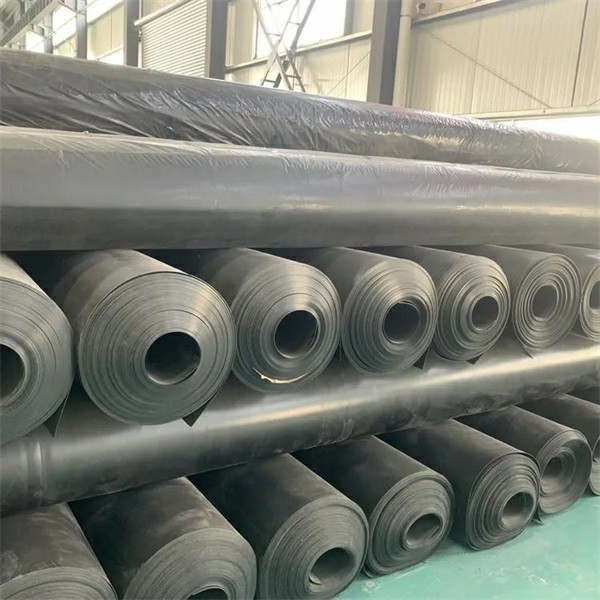
Geomembranes are impermeable membranes made from synthetic materials such as polyethylene, polypropylene, or polyvinyl chloride (PVC). Their primary function is to act as barriers against liquid and gas migration, making them essential components in various environmental and engineering projects. Geomembranes provide an effective solution for soil stabilization by enhancing the structural integrity of the soil and preventing erosion.
Key Characteristics of Geomembranes
- Durability: Geomembranes are designed to withstand harsh environmental conditions, including extreme temperatures, UV radiation, and chemical exposure.
- Flexibility: They can easily conform to various landforms and structures, making them versatile for different applications.
- Impermeability: Their primary function is to prevent the passage of water and contaminants, ensuring soil stability.
- Lightweight: This makes installation easier and reduces transportation costs.
The Role of Geomembranes in Soil Stabilization
The application of geomembranes in soil stabilization is paramount in various construction sectors, including civil engineering, landfill design, and agricultural practices. Their versatility allows for a wide range of applications, contributing to enhanced safety, cost-efficiency, and environmental protection.
Prevention of Soil Erosion
One of the most significant advantages of geomembranes is their ability to prevent soil erosion. By providing a protective barrier, they reduce the impact of rainfall and surface runoff on the soil, minimizing the risk of washouts and landslides. This is especially crucial in areas susceptible to heavy rainfall or on slopes where erosion can lead to catastrophic failures.
Enhancing Soil Strength and Load-Bearing Capacity
Geomembranes contribute to the overall strength of soil structures. By distributing loads evenly across the surface, they enhance the load-bearing capacity of the soil, making it less likely to deform or fail under pressure. This characteristic is vital for the stability of roads, bridges, and buildings built on top of these reinforced soils.
Environmental Benefits of Geomembranes
In today’s world, sustainability is a critical concern in construction and environmental management. The incorporation of geomembranes contributes to sustainable practices in several ways.
Contaminant Control and Groundwater Protection
Geomembranes prevent the leaching of harmful substances into the soil and groundwater, thus protecting delicate ecosystems and water supplies. This is particularly essential in landfill applications, where waste materials could otherwise contaminate surrounding environments. By containing potential pollutants, geomembranes ensure cleaner, safer land and water resources.
Reduction of Soil Compaction Needs
Using geomembranes can also lead to a decrease in the need for soil compaction during construction. By stabilizing the soil naturally, they eliminate the need for heavy machinery, resulting in lower fuel consumption and reduced carbon emissions. This aspect aligns with global efforts to minimize environmental footprints in construction activities.
Cost-Effectiveness of Geomembranes
Investing in geomembranes can lead to significant long-term savings. Although the initial cost of installation might seem higher than traditional methods, the durability and effectiveness of geomembranes mean lower maintenance and replacement costs over time. Additionally, their role in preventing soil erosion can reduce the expenses associated with land restoration and repair.
Long-Term Durability and Maintenance
Geomembranes are engineered for longevity, often lasting several decades without significant degradation. This durability translates into fewer repairs and replacements, making them a financially sound choice for projects requiring soil stabilization. Furthermore, their low maintenance requirements mean that once installed, they can continue to perform effectively without much intervention.
Common Applications of Geomembranes in Soil Stabilization
The use of geomembranes spans multiple industries and applications, each benefiting from their unique properties.
Landfill Liners and Caps
In landfill management, geomembranes are essential for preventing leachate from contaminating the surrounding soil and groundwater. They serve both as liners at the bottom of landfills and as caps to cover waste, effectively containing harmful substances.
Retention Ponds and Water Management
Geomembranes are extensively utilized in the construction of retention ponds and other water management systems. They help to control water levels, prevent seepage, and maintain the integrity of the surrounding soil, thus supporting various agricultural and industrial processes.
Road Construction
In road construction projects, geomembranes are used to stabilize subgrade soils, ensuring a solid foundation for road surfaces. This application not only improves the longevity of the road but ensures safety for vehicles traveling on it.
Frequently Asked Questions (FAQs)
What types of geomembranes are available for soil stabilization?
Common types of geomembranes include high-density polyethylene (HDPE), low-density polyethylene (LDPE), and polyvinyl chloride (PVC). Each type has unique properties suited for different applications.
How are geomembranes installed in soil stabilization projects?
Geomembranes are typically laid out over prepared soil surfaces, with seams welded or sealed to ensure impermeability. The installation process requires careful consideration of environmental conditions and site-specific factors.
Can geomembranes be recycled or reused?
Yes, certain types of geomembranes can be recycled, and some can be reused in different projects after proper cleaning and assessment of their integrity.
What are the environmental impacts of using geomembranes?
Geomembranes significantly reduce the risk of soil and groundwater contamination, thereby positively impacting the environment. Their durability also means fewer materials are needed, which can reduce waste.
Are geomembranes suitable for all soil types?
Geomembranes can be used in a variety of soil types, though the specific application methods may vary based on the soil's characteristics and the project requirements.
Conclusion
In summary, geomembranes play a pivotal role in soil stabilization, offering numerous benefits that enhance performance, safety, and sustainability in construction projects. From preventing soil erosion to ensuring groundwater protection, geomembranes are invaluable in today's construction landscape. Their cost-effectiveness, environmental benefits, and versatility make them a superior choice for engineers and contractors aiming for long-lasting, reliable solutions. As we continue to advance in construction technology, the importance of geomembranes will undoubtedly grow, solidifying their place as a cornerstone in effective soil management practices.
CONTACT US
Address: Shuangyi Road, Lingcheng District, Dezhou City, Shandong Province


GET A DEDICATED QUOTATION