


Understanding PE Geomembrane: A Vital Component in Construction Materials
Release time:
2025-11-04
PE geomembrane, or polyethylene geomembrane, is a crucial material widely used in the construction industry, especially in site construction applications. Its primary function is to serve as a barrier against fluid migration in various environmental and engineering projects. Made from high-density polyethylene (HDPE) or low-density polyethylene (LDPE), PE geomembranes are designed to provide excel
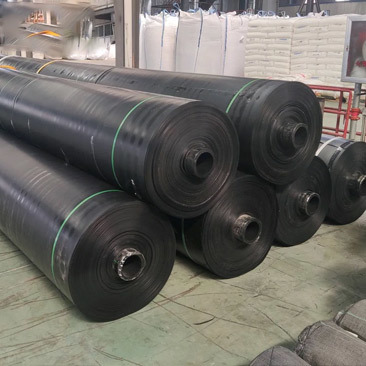
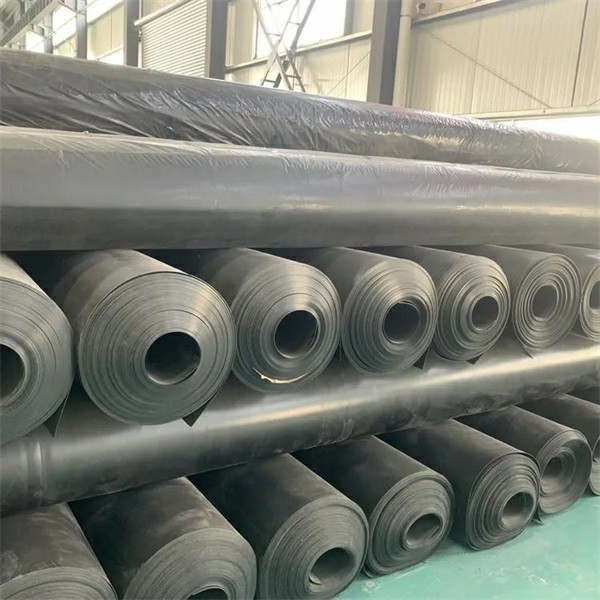
PE geomembrane, or polyethylene geomembrane, is a crucial material widely used in the construction industry, especially in site construction applications. Its primary function is to serve as a barrier against fluid migration in various environmental and engineering projects. Made from high-density polyethylene (HDPE) or low-density polyethylene (LDPE), PE geomembranes are designed to provide excellent durability and flexibility, making them suitable for a range of applications.
One of the significant advantages of PE geomembrane is its exceptional chemical resistance. This characteristic makes it suitable for use in landfills, mining operations, and wastewater management, where it can effectively prevent the leaching of harmful substances into the surrounding environment. The resistance to UV radiation also ensures that the geomembrane retains its integrity over extended exposure to sunlight, contributing to its longevity in outdoor applications.
Installation of PE geomembrane is relatively straightforward, which is a considerable benefit for construction projects. The geomembrane can be welded together using heat or extrusion methods, creating a strong, continuous barrier that enhances its effectiveness. Proper installation is crucial to achieving the desired performance, and it is essential to follow industry standards and guidelines to ensure optimal results.
In addition to its use in landfill and mining applications, PE geomembranes are increasingly being utilized in agricultural practices. They are employed in pond liners, irrigation systems, and other agricultural projects where water retention and soil protection are critical. The flexibility of PE geomembranes allows them to conform to various shapes and contours, making them ideal for diverse applications.
Moreover, the lightweight nature of PE geomembranes simplifies transportation and handling on construction sites. This feature not only reduces labor costs but also minimizes the overall environmental impact associated with heavy materials. As sustainability becomes a more significant focus in construction and agriculture, the use of PE geomembrane aligns with eco-friendly practices, promoting responsible resource management.
Finally, when considering PE geomembrane for your project, it is essential to evaluate the specific requirements and environmental conditions to choose the right thickness and type. Consulting with experts in the field can provide valuable insights into the most suitable options for your unique needs.
In conclusion, PE geomembrane stands out as a versatile and effective solution in the construction and agricultural sectors. Its unique properties, ease of installation, and sustainable advantages make it an essential component for ensuring long-lasting and environmentally responsible projects. By understanding the benefits and applications of PE geomembrane, you can make informed decisions for your construction materials and contribute positively to your project’s success.
One of the significant advantages of PE geomembrane is its exceptional chemical resistance. This characteristic makes it suitable for use in landfills, mining operations, and wastewater management, where it can effectively prevent the leaching of harmful substances into the surrounding environment. The resistance to UV radiation also ensures that the geomembrane retains its integrity over extended exposure to sunlight, contributing to its longevity in outdoor applications.
Installation of PE geomembrane is relatively straightforward, which is a considerable benefit for construction projects. The geomembrane can be welded together using heat or extrusion methods, creating a strong, continuous barrier that enhances its effectiveness. Proper installation is crucial to achieving the desired performance, and it is essential to follow industry standards and guidelines to ensure optimal results.
In addition to its use in landfill and mining applications, PE geomembranes are increasingly being utilized in agricultural practices. They are employed in pond liners, irrigation systems, and other agricultural projects where water retention and soil protection are critical. The flexibility of PE geomembranes allows them to conform to various shapes and contours, making them ideal for diverse applications.
Moreover, the lightweight nature of PE geomembranes simplifies transportation and handling on construction sites. This feature not only reduces labor costs but also minimizes the overall environmental impact associated with heavy materials. As sustainability becomes a more significant focus in construction and agriculture, the use of PE geomembrane aligns with eco-friendly practices, promoting responsible resource management.
Finally, when considering PE geomembrane for your project, it is essential to evaluate the specific requirements and environmental conditions to choose the right thickness and type. Consulting with experts in the field can provide valuable insights into the most suitable options for your unique needs.
In conclusion, PE geomembrane stands out as a versatile and effective solution in the construction and agricultural sectors. Its unique properties, ease of installation, and sustainable advantages make it an essential component for ensuring long-lasting and environmentally responsible projects. By understanding the benefits and applications of PE geomembrane, you can make informed decisions for your construction materials and contribute positively to your project’s success.
CONTACT US
Address: Shuangyi Road, Lingcheng District, Dezhou City, Shandong Province


GET A DEDICATED QUOTATION