


Understanding the Role of Polyethylene Geomembrane in Industrial Applications
Release time:
2026-09-25
Polyethylene geomembrane is a versatile and widely used material in various industrial applications, particularly in the realms of environmental protection, construction, and fluid containment. Its primary function is to act as a barrier, preventing the movement of liquids and gases, thus safeguarding underlying resources and the environment. One of the most notable properties of polyethylene geom
Polyethylene geomembrane is a versatile and widely used material in various industrial applications, particularly in the realms of environmental protection, construction, and fluid containment. Its primary function is to act as a barrier, preventing the movement of liquids and gases, thus safeguarding underlying resources and the environment.
One of the most notable properties of polyethylene geomembrane is its exceptional chemical resistance. This characteristic allows it to be effectively used in environments where it encounters aggressive substances, making it ideal for applications involving wastewater treatment, landfills, and mining operations. In the industrial equipment sector, particularly with diaphragm valves, the use of polyethylene geomembrane ensures that contaminants do not seep through and compromise the integrity of the system.
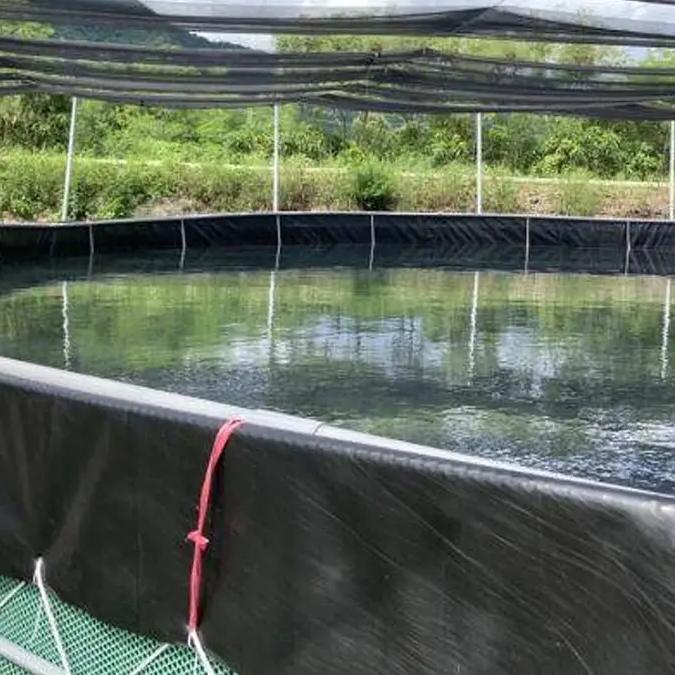
Additionally, polyethylene geomembrane is lightweight and flexible, making it easy to install and shape according to specific project requirements. This flexibility is particularly advantageous in applications where custom fitting is necessary, such as in containment ponds or reservoirs. The ease of handling also contributes to reduced labor costs and installation time, allowing companies to complete projects more efficiently.
Another significant advantage of polyethylene geomembrane is its durability. It is designed to withstand various environmental conditions, including UV exposure, extreme temperatures, and physical stresses. This long-lasting nature ensures that industrial applications continue to function optimally over time, minimizing the need for frequent replacements and maintenance.
In the context of diaphragm valves, the integration of polyethylene geomembrane can enhance performance and reliability. Diaphragm valves are commonly used in industries that require precise control of fluid flow. By utilizing polyethylene geomembrane in the diaphragm design, manufacturers can improve the valve's sealing capabilities and resistance to wear, ultimately resulting in longer service life and reduced operational disruptions.
Moreover, the use of polyethylene geomembrane aligns with sustainable practices, as it can be recycled and repurposed at the end of its lifecycle. This eco-friendly aspect is increasingly important as industries look to reduce their environmental footprint and comply with regulatory standards.
In summary, polyethylene geomembrane plays a critical role in various industrial applications, particularly where fluid containment and chemical resistance are paramount. Its unique properties, including flexibility, durability, and environmental sustainability, make it an invaluable material in the manufacturing of diaphragm valves and other industrial components. By understanding the benefits and applications of polyethylene geomembrane, businesses can make informed decisions that enhance operational efficiency and environmental stewardship.
One of the most notable properties of polyethylene geomembrane is its exceptional chemical resistance. This characteristic allows it to be effectively used in environments where it encounters aggressive substances, making it ideal for applications involving wastewater treatment, landfills, and mining operations. In the industrial equipment sector, particularly with diaphragm valves, the use of polyethylene geomembrane ensures that contaminants do not seep through and compromise the integrity of the system.
Additionally, polyethylene geomembrane is lightweight and flexible, making it easy to install and shape according to specific project requirements. This flexibility is particularly advantageous in applications where custom fitting is necessary, such as in containment ponds or reservoirs. The ease of handling also contributes to reduced labor costs and installation time, allowing companies to complete projects more efficiently.
Another significant advantage of polyethylene geomembrane is its durability. It is designed to withstand various environmental conditions, including UV exposure, extreme temperatures, and physical stresses. This long-lasting nature ensures that industrial applications continue to function optimally over time, minimizing the need for frequent replacements and maintenance.
In the context of diaphragm valves, the integration of polyethylene geomembrane can enhance performance and reliability. Diaphragm valves are commonly used in industries that require precise control of fluid flow. By utilizing polyethylene geomembrane in the diaphragm design, manufacturers can improve the valve's sealing capabilities and resistance to wear, ultimately resulting in longer service life and reduced operational disruptions.
Moreover, the use of polyethylene geomembrane aligns with sustainable practices, as it can be recycled and repurposed at the end of its lifecycle. This eco-friendly aspect is increasingly important as industries look to reduce their environmental footprint and comply with regulatory standards.
In summary, polyethylene geomembrane plays a critical role in various industrial applications, particularly where fluid containment and chemical resistance are paramount. Its unique properties, including flexibility, durability, and environmental sustainability, make it an invaluable material in the manufacturing of diaphragm valves and other industrial components. By understanding the benefits and applications of polyethylene geomembrane, businesses can make informed decisions that enhance operational efficiency and environmental stewardship.
Previous Page

CONTACT US
Address: Shuangyi Road, Lingcheng District, Dezhou City, Shandong Province


GET A DEDICATED QUOTATION