


Understanding Composite Geomembranes: Innovations in Construction and Environmental Protection
Release time:
2026-08-06
Composite geomembranes have gained prominence in the construction sector due to their unique properties and applications. These materials are primarily used as liners or barriers in various construction and engineering projects. Composed of multiple layers, composite geomembranes typically feature a combination of polymer films, such as high-density polyethylene (HDPE) or polyvinyl chloride (PVC),
Composite geomembranes have gained prominence in the construction sector due to their unique properties and applications. These materials are primarily used as liners or barriers in various construction and engineering projects. Composed of multiple layers, composite geomembranes typically feature a combination of polymer films, such as high-density polyethylene (HDPE) or polyvinyl chloride (PVC), bonded with geotextiles. This innovative structure enhances their performance in terms of durability, puncture resistance, and hydraulic control.
One of the critical benefits of composite geomembranes is their excellent impermeability. This characteristic is vital in applications such as landfill liners, where containing leachate is essential to prevent environmental contamination. The composite nature allows for improved resistance to chemicals and UV radiation, extending the lifespan of the geomembrane and ensuring long-term functionality.
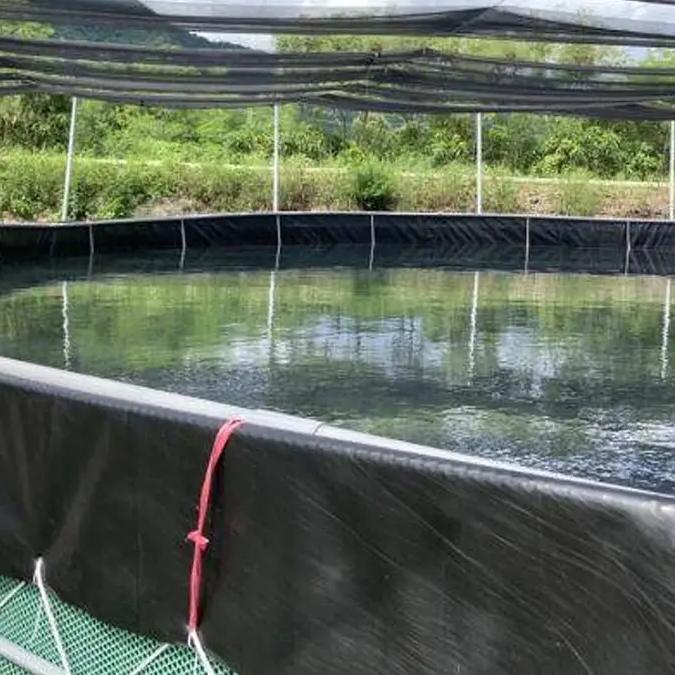
In addition to their use in waste containment, composite geomembranes are increasingly employed in water management systems, including reservoirs, ponds, and canals. Their ability to reduce water loss through evaporation and seepage makes them an effective solution for managing water resources, particularly in arid regions. Furthermore, these geomembranes are often utilized in the construction of temporary and permanent structures, such as underground tanks and aquaculture facilities, where liquid containment is critical.
Another notable application of composite geomembranes is in slope stabilization and erosion control. By acting as a protective barrier against soil erosion, these materials help maintain the integrity of slopes and excavated areas, reducing the risk of landslides and other geological hazards. When combined with appropriate drainage systems, composite geomembranes contribute to the overall stability of construction projects.
Moreover, the lightweight nature of composite geomembranes simplifies their installation process, reducing labor costs and construction time. Their versatility allows them to be tailored to specific project requirements, making them suitable for various environments and conditions.
In conclusion, composite geomembranes represent a significant advancement in construction materials, providing innovative solutions for environmental protection and site development. Their multi-layered structure, combined with excellent impermeability and resilience, makes them indispensable in modern construction practices. As the industry continues to evolve, the integration of composite geomembranes will likely play a crucial role in enhancing sustainability and efficiency in construction projects worldwide.
One of the critical benefits of composite geomembranes is their excellent impermeability. This characteristic is vital in applications such as landfill liners, where containing leachate is essential to prevent environmental contamination. The composite nature allows for improved resistance to chemicals and UV radiation, extending the lifespan of the geomembrane and ensuring long-term functionality.
In addition to their use in waste containment, composite geomembranes are increasingly employed in water management systems, including reservoirs, ponds, and canals. Their ability to reduce water loss through evaporation and seepage makes them an effective solution for managing water resources, particularly in arid regions. Furthermore, these geomembranes are often utilized in the construction of temporary and permanent structures, such as underground tanks and aquaculture facilities, where liquid containment is critical.
Another notable application of composite geomembranes is in slope stabilization and erosion control. By acting as a protective barrier against soil erosion, these materials help maintain the integrity of slopes and excavated areas, reducing the risk of landslides and other geological hazards. When combined with appropriate drainage systems, composite geomembranes contribute to the overall stability of construction projects.
Moreover, the lightweight nature of composite geomembranes simplifies their installation process, reducing labor costs and construction time. Their versatility allows them to be tailored to specific project requirements, making them suitable for various environments and conditions.
In conclusion, composite geomembranes represent a significant advancement in construction materials, providing innovative solutions for environmental protection and site development. Their multi-layered structure, combined with excellent impermeability and resilience, makes them indispensable in modern construction practices. As the industry continues to evolve, the integration of composite geomembranes will likely play a crucial role in enhancing sustainability and efficiency in construction projects worldwide.

CONTACT US
Address: Shuangyi Road, Lingcheng District, Dezhou City, Shandong Province


GET A DEDICATED QUOTATION