


Understanding Polyethylene Geomembrane: A Vital Component in Industrial Applications
Release time:
2026-05-08
Polyethylene geomembrane is an essential synthetic membrane made from high-density polyethylene (HDPE) or low-density polyethylene (LDPE) that serves various purposes in industrial applications. Known for its exceptional durability and resistance to chemical and environmental factors, polyethylene geomembrane is widely used in industries such as waste management, mining, water containment, and con
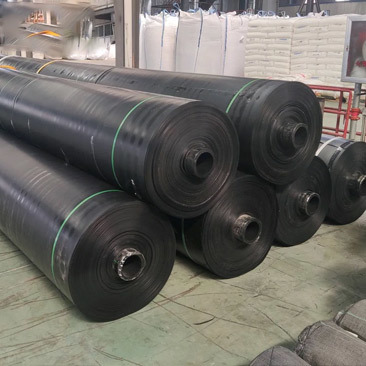
Polyethylene geomembrane is an essential synthetic membrane made from high-density polyethylene (HDPE) or low-density polyethylene (LDPE) that serves various purposes in industrial applications. Known for its exceptional durability and resistance to chemical and environmental factors, polyethylene geomembrane is widely used in industries such as waste management, mining, water containment, and construction. Understanding its properties and applications can greatly benefit professionals in sectors that rely on effective fluid containment solutions, such as valve manufacturing and installation.
One of the key characteristics of polyethylene geomembrane is its impermeability. This property is crucial when it comes to preventing the seepage of liquids in landfills or containment ponds. The material is designed to withstand harsh environmental conditions, making it suitable for both aboveground and underground applications. Its resistance to UV radiation, temperature fluctuations, and various chemicals ensures that it retains its integrity over time, making it a preferred choice in many industrial settings.
In addition to its durability, polyethylene geomembrane is lightweight and flexible, allowing for easy installation and handling. This flexibility is particularly advantageous in applications where the geomembrane needs to conform to irregular surfaces or shapes. Proper installation techniques, such as welding or mechanical fastening, can ensure a secure and effective barrier, which is essential for the functioning of systems that utilize diaphragm valves.
Polyethylene geomembrane also plays a vital role in environmental protection. By providing a barrier to hazardous materials, it helps prevent soil and groundwater contamination, making it an essential component in many environmental management plans. Industries that handle toxic substances or waste can significantly reduce their environmental impact by incorporating this material into their practices.
Moreover, the versatility of polyethylene geomembrane allows it to be used in various forms, including liners, covers, and barriers. Its ability to be customized in thickness and size makes it suitable for a wide range of applications, from small-scale projects to large industrial facilities. This adaptability further enhances its appeal to professionals in the industrial sector.
In conclusion, polyethylene geomembrane is a critical component in industrial applications, particularly in valve systems. Its impermeability, durability, and environmental benefits make it a valuable material for professionals in industries dealing with fluid containment. Understanding the properties and applications of polyethylene geomembrane can empower businesses to make informed decisions and improve their operational efficiency while prioritizing environmental sustainability.
One of the key characteristics of polyethylene geomembrane is its impermeability. This property is crucial when it comes to preventing the seepage of liquids in landfills or containment ponds. The material is designed to withstand harsh environmental conditions, making it suitable for both aboveground and underground applications. Its resistance to UV radiation, temperature fluctuations, and various chemicals ensures that it retains its integrity over time, making it a preferred choice in many industrial settings.
In addition to its durability, polyethylene geomembrane is lightweight and flexible, allowing for easy installation and handling. This flexibility is particularly advantageous in applications where the geomembrane needs to conform to irregular surfaces or shapes. Proper installation techniques, such as welding or mechanical fastening, can ensure a secure and effective barrier, which is essential for the functioning of systems that utilize diaphragm valves.
Polyethylene geomembrane also plays a vital role in environmental protection. By providing a barrier to hazardous materials, it helps prevent soil and groundwater contamination, making it an essential component in many environmental management plans. Industries that handle toxic substances or waste can significantly reduce their environmental impact by incorporating this material into their practices.
Moreover, the versatility of polyethylene geomembrane allows it to be used in various forms, including liners, covers, and barriers. Its ability to be customized in thickness and size makes it suitable for a wide range of applications, from small-scale projects to large industrial facilities. This adaptability further enhances its appeal to professionals in the industrial sector.
In conclusion, polyethylene geomembrane is a critical component in industrial applications, particularly in valve systems. Its impermeability, durability, and environmental benefits make it a valuable material for professionals in industries dealing with fluid containment. Understanding the properties and applications of polyethylene geomembrane can empower businesses to make informed decisions and improve their operational efficiency while prioritizing environmental sustainability.

CONTACT US
Address: Shuangyi Road, Lingcheng District, Dezhou City, Shandong Province


GET A DEDICATED QUOTATION