


Exploring the Benefits of Polyethylene Geomembranes in Industrial Applications
Release time:
2026-04-03
Exploring the Benefits of Polyethylene Geomembranes in Industrial Applications Table of Contents Introduction to Polyethylene Geomembranes What Are Polyethylene Geomembranes? Advantages of Polyethylene Geomembranes Durability and Longevity Chemical Resistance Environmental Benefits Cost-Effectiveness Applicatio
Exploring the Benefits of Polyethylene Geomembranes in Industrial Applications
Table of Contents
- Introduction to Polyethylene Geomembranes
- What Are Polyethylene Geomembranes?
- Advantages of Polyethylene Geomembranes
- Applications of Polyethylene Geomembranes in Various Industries
- Installation and Maintenance of Polyethylene Geomembranes
- Regulatory Compliance in Geomembrane Applications
- The Future of Polyethylene Geomembranes in Industrial Applications
- Conclusion
- Frequently Asked Questions
Introduction to Polyethylene Geomembranes
In the realm of industrial applications, the quest for materials that offer both performance and sustainability is ongoing. **Polyethylene geomembranes** are at the forefront of this innovation, emerging as a preferred choice for various sectors. These impermeable membranes provide a robust solution for preventing fluid migration, making them indispensable for environmental protection and resource management.
This article delves into the numerous benefits of polyethylene geomembranes, highlighting their significance in industrial applications. By understanding these advantages, businesses can make informed decisions that align with their operational needs and sustainability goals.
What Are Polyethylene Geomembranes?
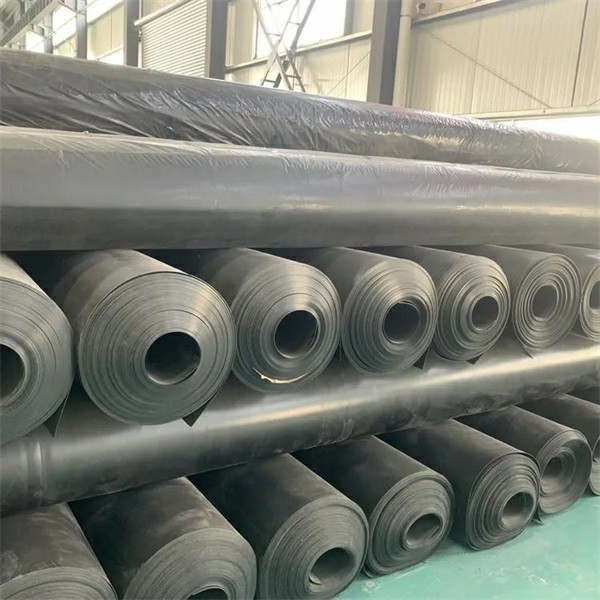
Polyethylene geomembranes are synthetic liners made from high-density polyethylene (HDPE) or low-density polyethylene (LDPE). These materials are specifically engineered to provide excellent barrier properties, making them ideal for controlling the movement of liquids or gases in various environments.
Typically, polyethylene geomembranes are used in applications that require a high level of impermeability, such as **landfills**, **pond liners**, and **water reservoirs**. Their adaptability, durability, and resistance to UV radiation and chemicals contribute to their widespread use across different industries.
Advantages of Polyethylene Geomembranes
Polyethylene geomembranes offer several key advantages that make them an attractive option for industrial applications:
Durability and Longevity
One of the standout features of polyethylene geomembranes is their durability. Constructed to withstand harsh environmental conditions, these membranes resist punctures, tears, and degradation over time. This durability ensures that they can perform effectively for decades, reducing the need for frequent replacements and lowering long-term costs.
Chemical Resistance
Polyethylene geomembranes exhibit excellent resistance to a wide range of chemicals, including acids, bases, and solvents. This property is crucial for industries that deal with hazardous materials, as it ensures that the geomembranes will maintain their integrity and prevent leakage, thereby protecting the environment and public safety.
Environmental Benefits
The use of polyethylene geomembranes contributes significantly to environmental protection. By preventing the migration of contaminants into soil and groundwater, these membranes support sustainability efforts and comply with environmental regulations. This aspect is particularly vital for industries involved in waste management and mining, where the potential for environmental harm is high.
Cost-Effectiveness
While the initial investment in polyethylene geomembranes may be higher than traditional materials, the long-term savings they provide make them a cost-effective solution. Their durability and low maintenance requirements mean that businesses can allocate fewer resources to repairs and replacements, ultimately enhancing their bottom line.
Applications of Polyethylene Geomembranes in Various Industries
Polyethylene geomembranes are versatile and find applications across several industries, each benefiting from their unique properties.
Agriculture
In the agricultural sector, polyethylene geomembranes are used for **pond liners**, **canal liners**, and **irrigation systems**. They help conserve water, prevent evaporation, and ensure the efficient use of resources. The impermeable nature of these membranes also protects against soil contamination from fertilizers and pesticides.
Waste Management
Landfills utilize polyethylene geomembranes as liners to prevent leachate from escaping into the surrounding environment. This barrier not only protects groundwater but also aids in the management of waste decomposition gases. The durability and chemical resistance of these membranes make them ideal for this critical application.
Water Conservation
In the context of water conservation, polyethylene geomembranes play a vital role in the construction of **water storage facilities** and **reservoirs**. They minimize water loss due to seepage and evaporation, ensuring that valuable water resources are preserved for agricultural and municipal use.
Mining
The mining industry relies on polyethylene geomembranes for **tailings storage facilities** and **heap leach pads**. These applications require robust materials that can contain hazardous waste and prevent contamination of nearby water sources. The chemical resistance and durability of polyethylene geomembranes make them an ideal choice for these demanding environments.
Installation and Maintenance of Polyethylene Geomembranes
Proper installation and maintenance of polyethylene geomembranes are essential to ensure their effectiveness and longevity. The installation process generally involves several key steps:
1. **Site Preparation**: The site must be cleared of rocks, debris, and sharp objects to prevent damage to the geomembrane.
2. **Laying the Membrane**: The geomembrane is laid out, ensuring that seams are properly aligned and overlapping as required.
3. **Seaming Techniques**: Various seaming techniques, such as fusion welding or adhesive bonding, are employed to join sections of the geomembrane effectively.
4. **Testing for Integrity**: After installation, the geomembrane undergoes pressure testing to ensure there are no leaks.
Maintenance involves regular inspections to identify signs of wear, damage, or environmental impact. Routine checks help maintain the geomembrane's integrity and effectiveness.
Regulatory Compliance in Geomembrane Applications
Adhering to regulatory standards is crucial when using polyethylene geomembranes in industrial applications. Various local, national, and international regulations govern the installation and maintenance of these materials, especially in environments that involve hazardous waste or potential environmental impact. Businesses must stay informed about the relevant regulations and ensure compliance to avoid legal repercussions and safeguard their reputation.
The Future of Polyethylene Geomembranes in Industrial Applications
As industries continue to evolve and prioritize sustainability, the demand for **environmentally friendly materials** like polyethylene geomembranes is expected to grow. Innovations in manufacturing processes may lead to enhanced properties, making these geomembranes even more effective in controlling fluid migration and protecting the environment. Additionally, the integration of smart technologies could enable real-time monitoring of geomembrane performance, allowing for proactive maintenance and management.
Conclusion
In summary, polyethylene geomembranes represent a transformative solution for a range of industrial applications. Their durability, chemical resistance, and environmental benefits make them an unparalleled choice for businesses aiming to enhance their operations while remaining environmentally responsible. As industries continue to prioritize sustainability, polyethylene geomembranes will play an essential role in shaping the future of industrial applications.
Frequently Asked Questions
1. What are the typical thicknesses available for polyethylene geomembranes?
Polyethylene geomembranes are typically available in thicknesses ranging from 20 mils (0.5 mm) to 80 mils (2 mm), depending on the application and required durability.
2. Can polyethylene geomembranes be recycled?
Yes, polyethylene geomembranes are recyclable. However, recycling options may vary by location, and businesses should explore local recycling programs for proper disposal.
3. How long do polyethylene geomembranes last?
With proper installation and maintenance, polyethylene geomembranes can last over 20 years, making them a long-term solution for various applications.
4. Are there any environmental concerns associated with polyethylene geomembranes?
While polyethylene geomembranes can help prevent environmental contamination, the production and disposal of these materials must be managed responsibly to minimize their ecological footprint.
5. How can I ensure the quality of the geomembranes I purchase?
To ensure quality, it is advisable to source polyethylene geomembranes from reputable manufacturers who adhere to industry standards and provide performance certifications.

CONTACT US
Address: Shuangyi Road, Lingcheng District, Dezhou City, Shandong Province


GET A DEDICATED QUOTATION