


How Geomembrane Liners Enhance Waste Management Solutions
Release time:
2026-03-18
Introduction to Geomembrane Liners in Waste Management Waste management is a critical component of environmental conservation and public health. As industries and populations grow, the need for effective waste management solutions becomes increasingly urgent. One innovative solution gaining traction in this sector is the use of geomembrane liners. These specialized materials offer numerous benefit
Introduction to Geomembrane Liners in Waste Management
Waste management is a critical component of environmental conservation and public health. As industries and populations grow, the need for effective waste management solutions becomes increasingly urgent. One innovative solution gaining traction in this sector is the use of geomembrane liners. These specialized materials offer numerous benefits, from preventing leakage and contamination to enhancing the overall efficiency of waste management systems.
In this article, we will explore how geomembrane liners contribute to waste management solutions in detail. We will cover their composition, benefits, applications, and the future of waste management technologies.
What Are Geomembrane Liners?
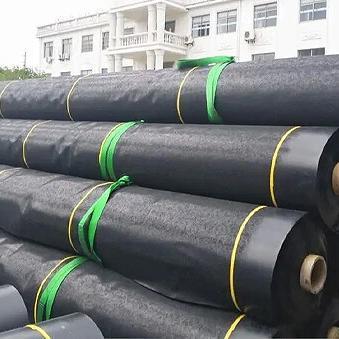
Geomembrane liners are impermeable membranes made from synthetic materials. They are designed to contain fluids or gases to prevent contamination of surrounding environments, making them a crucial component in waste management systems. Common materials used in geomembrane production include high-density polyethylene (HDPE), low-density polyethylene (LDPE), and polyvinyl chloride (PVC).
The Composition of Geomembrane Liners
The effectiveness of geomembrane liners largely depends on their composition. The most common materials include:
- **High-Density Polyethylene (HDPE):** Known for its durability and resistance to chemicals, HDPE is widely used in landfill liners and containment systems. It offers excellent tensile strength and UV resistance.
- **Low-Density Polyethylene (LDPE):** LDPE is more flexible than HDPE and is often used where a softer liner is required. Its applications include temporary containment solutions and smaller waste management systems.
- **Polyvinyl Chloride (PVC):** PVC geomembranes are known for their excellent chemical resistance. They are often used in applications requiring high flexibility and adaptability.
By understanding these materials, we can appreciate the unique properties that make geomembranes suitable for various waste management applications.
The Importance of Waste Management Solutions
Efficient waste management is essential for protecting the environment and public health. Poor waste disposal can lead to soil and water contamination, which poses significant risks to ecosystems and human populations. Key issues in waste management include:
- **Landfill Overflow:** As cities expand, landfills become overcrowded, leading to overflowing waste that contaminates surrounding areas.
- **Hazardous Waste Management:** Industrial processes produce hazardous materials that require special handling to prevent environmental damage.
- **Wastewater Treatment:** Treating wastewater effectively is crucial for preventing health issues and protecting natural water sources.
How Geomembrane Liners Address These Challenges
Geomembrane liners provide specific solutions to each of these waste management challenges:
- **Preventing Contamination:** By creating a barrier between waste and the surrounding environment, geomembranes help prevent leachate and hazardous substances from seeping into the soil and groundwater.
- **Improving Landfill Efficiency:** Geomembrane liners enhance landfill design, allowing for better waste compaction and volume management, ultimately prolonging the lifespan of landfills.
- **Facilitating Wastewater Treatment:** In wastewater treatment plants, geomembranes are used to line ponds and lagoons, ensuring that treated water does not leak and contaminate nearby water sources.
Key Benefits of Using Geomembrane Liners in Waste Management
The use of geomembrane liners in waste management offers several compelling benefits:
1. Durability and Longevity
Geomembranes are designed to withstand harsh environmental conditions, including UV radiation, temperature fluctuations, and chemical exposure. This durability ensures a long service life, reducing the need for frequent replacements and maintenance.
2. Environmental Protection
By preventing the seepage of contaminants, geomembrane liners play a vital role in protecting soil and water resources. This protection is crucial for maintaining the health of local ecosystems and ensuring the safety of drinking water supplies.
3. Cost-Effectiveness
Investing in geomembrane liners can lead to significant cost savings in the long run. By reducing the risk of leaks and contamination, facilities can avoid costly cleanup efforts and potential legal liabilities related to environmental damage.
4. Versatility in Applications
Geomembranes are applicable in various waste management scenarios, including landfills, wastewater treatment plants, and hazardous waste containment. Their versatility makes them an essential tool in the waste management industry.
5. Enhanced Operational Efficiency
By improving waste containment and management processes, geomembrane liners contribute to overall operational efficiency. Facilities can better manage waste volumes, leading to optimized operations and reduced environmental impact.
Applications of Geomembrane Liners in Waste Management
Geomembrane liners find extensive applications across various waste management scenarios:
1. Landfill Liners
Landfill liners are perhaps the most well-known application of geomembranes. These liners create a barrier between waste and the surrounding environment, preventing leachate from contaminating soil and groundwater. They are typically composed of HDPE or LDPE, offering the necessary strength and flexibility to withstand the weight of waste.
2. Wastewater Treatment Facilities
In wastewater treatment facilities, geomembranes are used to line lagoons and containment ponds. This lining prevents treated wastewater from leaking into adjacent water bodies, ensuring that the treated water meets environmental standards before being released.
3. Hazardous Waste Containment
For industries producing hazardous waste, geomembrane liners are crucial for safe containment. These liners ensure that harmful substances do not seep into the ground, protecting both the environment and public health.
4. Mining Operations
Mining operations often generate waste materials that require careful management. Geomembrane liners are used to contain tailings and prevent contaminants from entering the surrounding land and water sources.
5. Agricultural Waste Management
In agriculture, geomembranes can be employed to manage waste generated from livestock operations. By lining manure storage facilities, farmers can reduce the risk of pollution and enhance waste management practices.
The Future of Geomembrane Liners in Waste Management
The future of geomembrane liners in waste management looks promising as environmental concerns continue to rise. Innovations in material technology and design will likely enhance the efficiency and effectiveness of geomembranes in waste management applications.
1. Advancements in Material Science
Research and development in material science are paving the way for more advanced geomembranes. Biodegradable options and enhanced chemical resistance are just a couple of potential advancements that may emerge in the coming years.
2. Integration of Smart Technologies
The integration of smart technologies, such as sensors and monitoring systems, with geomembrane liners can enhance their functionality. These technologies can provide real-time data on leakage and contamination, enabling proactive management of waste systems.
3. Increased Regulatory Compliance
As environmental regulations become stricter, the adoption of geomembrane liners is expected to increase. Facilities will need to comply with heightened standards for waste containment and management, making geomembranes an essential component of their operations.
Frequently Asked Questions (FAQs)
1. What are the main types of geomembrane materials?
The most common types include high-density polyethylene (HDPE), low-density polyethylene (LDPE), and polyvinyl chloride (PVC), each offering unique properties suited for different applications.
2. How do geomembrane liners help in landfill management?
Geomembrane liners prevent leachate from contaminating surrounding land and groundwater, thus enhancing landfill safety and extending its operational life.
3. Can geomembrane liners be recycled?
Some geomembrane materials, like HDPE, can be recycled; however, the recycling process may vary depending on local facilities and regulations.
4. How long do geomembrane liners last?
With proper installation and maintenance, geomembrane liners can last several decades, making them a durable solution for waste management.
5. Are there any environmental concerns associated with geomembrane liners?
While geomembranes are designed to prevent contamination, concerns may arise if they are not installed or maintained correctly. Regular monitoring is essential to ensure their effectiveness.
Conclusion
Geomembrane liners are an essential innovation in waste management solutions, providing crucial benefits such as environmental protection, cost-effectiveness, and operational efficiency. As waste management challenges continue to evolve, these liners offer versatile applications that contribute to a cleaner and safer planet. By understanding the role geomembranes play in waste management, stakeholders can make informed decisions that enhance sustainability and protect our environment for future generations.

CONTACT US
Address: Shuangyi Road, Lingcheng District, Dezhou City, Shandong Province


GET A DEDICATED QUOTATION