


Challenges and Solutions with Geomembrane Material in Construction: A Comprehensive Guide
Release time:
2026-02-24
Challenges and Solutions with Geomembrane Material in Construction Introduction to Geomembrane Materials Geomembranes are synthetic membranes used in various construction applications, primarily for environmental protection and containment. They play a crucial role in projects involving waste management, water conservation, and erosion control. In recent years, the demand for geomembrane materials
Challenges and Solutions with Geomembrane Material in Construction
Introduction to Geomembrane Materials
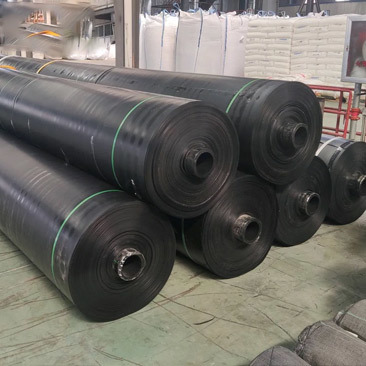
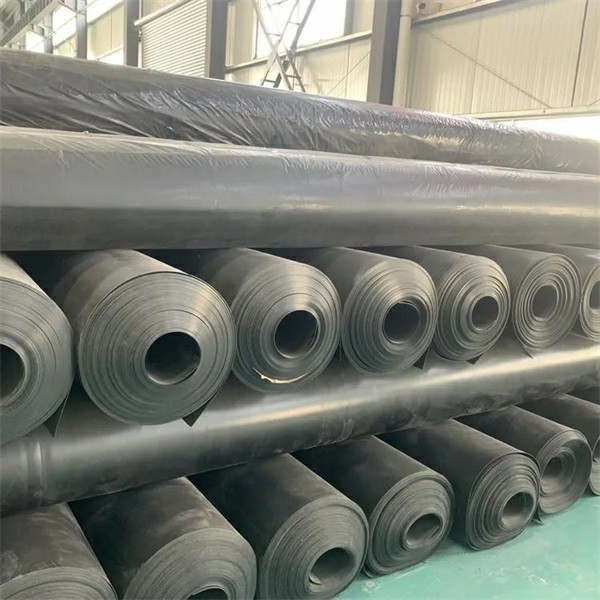
Geomembranes are synthetic membranes used in various construction applications, primarily for environmental protection and containment. They play a crucial role in projects involving waste management, water conservation, and erosion control. In recent years, the demand for geomembrane materials has surged due to increasing environmental regulations and the necessity for sustainable construction practices. However, the use of these materials also comes with a unique set of challenges.
Understanding the Properties of Geomembrane Materials
Geomembranes are typically made from high-density polyethylene (HDPE), low-density polyethylene (LDPE), polyvinyl chloride (PVC), and other polymers. Their characteristics include:
Durability and Resistance
Geomembranes are designed to withstand harsh environmental conditions. Their resistance to UV radiation, chemical exposure, and extreme temperatures makes them suitable for various applications. However, the durability of these materials can sometimes be compromised during installation and exposure to external factors.
Flexibility and Weight
The flexibility of geomembranes allows them to adapt to a wide range of surfaces and structures. This characteristic is essential for applications such as landfill liners and pond liners. However, their lightweight nature can also lead to challenges during installation, particularly in windy environments.
Common Challenges Faced with Geomembrane Materials
Despite their advantages, geomembranes present several challenges in construction projects:
1. Installation Difficulties
Geomembrane installation requires precision and expertise. Misalignment, inadequate sealing, and improper handling can lead to leaks and reduced effectiveness. Ensuring that installation teams are well-trained and familiar with best practices is crucial for success.
2. Environmental Concerns
While geomembranes are designed for environmental protection, their production and disposal can raise concerns. The use of non-biodegradable materials poses potential risks to soil and water quality. Therefore, it is vital to consider the lifecycle impact of geomembranes when planning projects.
3. Compatibility with Other Materials
In many construction projects, geomembranes are used in conjunction with other materials such as soil, concrete, and gravel. Compatibility issues can arise, leading to degradation or failure of the geomembrane. Understanding the chemical interactions between materials is essential for ensuring long-term performance.
4. Cost Implications
The initial cost of geomembrane materials can be significant. Additionally, improper installation or early failure can lead to increased expenses for repairs and replacements. Balancing the upfront investment with long-term savings is a key consideration for project managers.
5. Regulatory Compliance
Navigating the complex landscape of environmental regulations can be a daunting task. Ensuring compliance with local, state, and federal regulations is critical for project success. Failing to meet these requirements can lead to costly delays and penalties.
Effective Solutions to Overcome Challenges
To address the challenges associated with geomembrane materials, several strategies can be implemented:
1. Comprehensive Training Programs
Investing in training programs for installation teams can significantly reduce errors and improve the overall quality of geomembrane installation. Workshops, hands-on training, and certification programs ensure that teams are equipped with the latest techniques and knowledge.
2. Material Selection and Lifecycle Assessment
Choosing the right type of geomembrane for specific applications is crucial. Conducting a lifecycle assessment helps project managers understand the environmental impact of various materials, enabling them to make informed decisions. Selecting biodegradable or recyclable options can mitigate environmental concerns.
3. Advanced Testing Methods
Implementing advanced testing methods during and after installation can help identify weaknesses and ensure the integrity of geomembrane systems. Techniques such as vacuum testing and electrical leak detection provide valuable insights into potential issues before they escalate.
4. Collaboration with Engineers and Designers
Collaboration between project managers, engineers, and designers is essential to ensure compatibility between geomembranes and other materials. Early involvement of all stakeholders in the design phase can minimize potential issues and enhance overall project performance.
5. Adapting to Regulatory Changes
Staying informed about regulatory changes and trends in the construction industry is vital for compliance. Regularly reviewing and updating project plans and materials in response to evolving regulations can prevent delays and potential fines.
Real-World Applications of Geomembrane Materials
Geomembranes are utilized in various applications, showcasing their versatility and effectiveness:
1. Landfill Liners
In landfill construction, geomembranes serve as barriers to prevent leachate from contaminating the surrounding soil and groundwater. Their impermeability is crucial for environmental protection.
2. Pond Liners
Geomembranes are commonly used in the construction of ponds and reservoirs to minimize water loss through seepage. Their durability ensures long-term performance in diverse weather conditions.
3. Irrigation Systems
In agriculture, geomembranes help improve irrigation efficiency by preventing water loss and maintaining soil moisture. Their installation in irrigation systems promotes sustainable farming practices.
4. Erosion Control
Geomembranes are effective in controlling soil erosion on construction sites by stabilizing slopes and providing a protective layer against runoff. Their use in erosion control measures is vital for maintaining site integrity.
Future Trends in Geomembrane Materials
The geomembrane industry is evolving, with several trends shaping its future:
1. Sustainable Materials
As environmental concerns continue to mount, the demand for sustainable geomembrane materials is on the rise. Manufacturers are exploring biodegradable and recycled materials to minimize the ecological footprint.
2. Technological Advancements
Innovations in manufacturing processes and material formulations are leading to the development of higher-performing geomembranes. Enhanced durability, flexibility, and resistance to chemicals will improve their applications in construction.
3. Increased Automation
Automation in the installation process can streamline operations, reduce labor costs, and improve precision. The integration of technology in the construction process is likely to enhance the overall efficiency of geomembrane applications.
FAQs About Geomembrane Materials in Construction
1. What are geomembranes used for in construction?
Geomembranes are primarily used for environmental protection, including applications such as landfill liners, pond liners, and erosion control systems.
2. How are geomembranes installed?
Geomembranes are typically installed by trained professionals who carefully align and seal the material to ensure impermeability and durability.
3. What are the benefits of using geomembranes?
Geomembranes offer numerous benefits, including environmental protection, water conservation, erosion control, and long-term sustainability in construction projects.
4. Are geomembranes environmentally friendly?
While geomembranes provide environmental protection, their production and disposal raise concerns. Sustainable options, such as biodegradable materials, are becoming increasingly popular.
5. How can I ensure compliance with regulations when using geomembranes?
To ensure compliance, stay informed about local and federal regulations, involve experts in the planning process, and conduct regular reviews of project plans and materials.
Conclusion
Geomembranes play a vital role in modern construction, offering solutions for environmental protection and sustainability. While challenges exist, proactive strategies such as comprehensive training, advanced testing, and collaboration can effectively mitigate these issues. As the industry evolves, embracing sustainability and technological advancements will shape the future of geomembrane materials, ensuring their continued importance in construction projects worldwide. By understanding the challenges and solutions associated with these materials, construction professionals can make informed decisions that contribute to successful project outcomes.
CONTACT US
Address: Shuangyi Road, Lingcheng District, Dezhou City, Shandong Province


GET A DEDICATED QUOTATION