


PE Geomembrane Maintenance: Essential Tips for Longevity and Durability
Release time:
2026-02-22
PE Geomembrane Maintenance: Essential Tips for Longevity and Durability In the construction and landscaping industries, PE geomembranes play a pivotal role in various applications. These durable, impermeable membranes are integral in waste containment, water management, and environmental protection. However, like any construction material, their effectiveness depends significantly on proper mainte
PE Geomembrane Maintenance: Essential Tips for Longevity and Durability
In the construction and landscaping industries, PE geomembranes play a pivotal role in various applications. These durable, impermeable membranes are integral in waste containment, water management, and environmental protection. However, like any construction material, their effectiveness depends significantly on proper maintenance. In this article, we will provide a thorough guide on maintaining PE geomembranes to ensure their longevity and durability.
Understanding PE Geomembranes
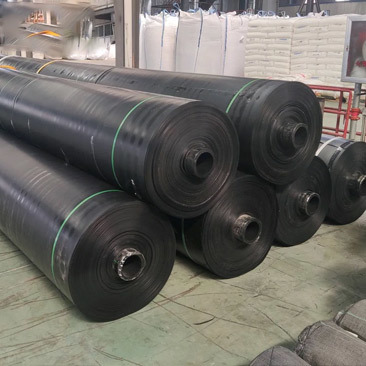
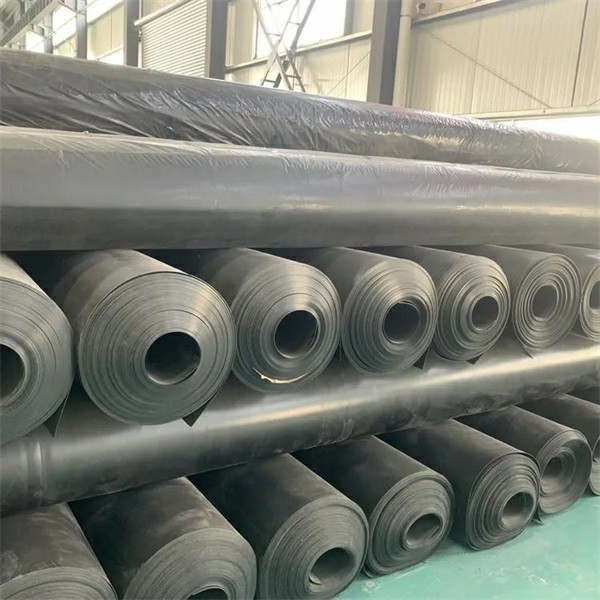
PE geomembranes, or polyethylene geomembranes, are synthetic membranes used primarily as liners in civil engineering applications. They are made from high-density polyethylene (HDPE) or low-density polyethylene (LDPE), making them resistant to chemicals, UV rays, and physical damage. Understanding their properties is crucial for effective maintenance.
Common Applications of PE Geomembranes
PE geomembranes are widely used in:
- Landfill liners
- Wastewater treatment facilities
- Mining operations
- Agricultural applications
- Water reservoirs and ponds
The Importance of Maintenance
Maintaining PE geomembranes is not just about extending their lifespan; it's also about ensuring they function effectively. Regular maintenance helps prevent leaks, reduces the risk of contamination, and minimizes costly repairs. Here are key reasons why maintenance is crucial:
Preventing Damage and Wear
PE geomembranes are exposed to various environmental factors such as UV radiation, chemical exposure, and physical impacts. Regular inspections and maintenance can identify potential issues before they escalate into significant problems.
Ensuring Environmental Compliance
Many applications involving PE geomembranes, such as landfills and wastewater treatment facilities, have strict regulatory compliance requirements. Proper maintenance ensures that these systems function within legal and environmental standards.
Best Practices for PE Geomembrane Maintenance
1. Regular Inspection and Monitoring
Conducting routine inspections is essential for identifying wear and tear. Look for signs of:
- Punctures or tears
- UV degradation
- Chemical damage
- Displacement or wrinkling
Establish a monitoring schedule based on the specific application and environmental conditions.
2. Proper Installation Techniques
The longevity of a PE geomembrane begins with proper installation. Ensure that the membrane is laid flat, with seams securely welded to prevent leaks. Inadequate installation can lead to future maintenance challenges.
3. Cleaning Procedures
Keeping your geomembranes clean is vital for both functionality and aesthetics. Regularly remove debris, sediments, and vegetation that can damage the membrane. Use a gentle cleaning method, such as:
- Soft brushes
- Non-abrasive cleaning agents
Avoid using harsh chemicals that could degrade the material.
4. Repairing Minor Damages Promptly
Address minor damages immediately to prevent them from worsening. Use appropriate repair methods, such as:
- Patch kits specifically designed for PE geomembranes
- Welded patching techniques for larger areas
Always follow manufacturer guidelines for repairs.
5. Temperature and Weather Considerations
PE geomembranes can be affected by extreme temperatures and weather conditions. During the winter, snow and ice accumulation should be removed to prevent stress on the membrane. In the summer, ensure that the geomembranes are not exposed to excessive sunlight for prolonged periods, which can lead to UV degradation.
6. Chemical Compatibility Checks
If your geomembrane is used in an environment with chemicals, regular compatibility tests are necessary. Research the chemical makeup and ensure that the geomembrane material is suitable for the specific chemicals it may encounter.
Long-Term Strategies for PE Geomembrane Durability
1. Educate Your Team
Education is key to effective maintenance. Train your team on the importance of PE geomembrane care, the signs of wear, and proper cleaning methods. An informed team can significantly reduce long-term maintenance costs.
2. Use of Protective Measures
Implement protective measures such as:
- Geotextiles or protective layers during installation
- Monitoring systems to detect potential leaks
These measures can help prolong the life of the geomembrane.
3. Regular Documentation
Keep detailed records of inspections, maintenance activities, and repairs. Documenting the history of the geomembrane will help track its condition over time and identify trends that may require attention.
FAQs about PE Geomembrane Maintenance
1. How often should I inspect my PE geomembrane?
Regular inspections should be performed at least twice a year, or more frequently in harsh environmental conditions or if the geomembrane is in a high-traffic area.
2. Can I clean my geomembrane with high-pressure washers?
It is not recommended to use high-pressure washers, as they can damage the surface of the geomembrane. Stick to low-pressure cleaning methods for maintenance.
3. What should I do if I find a tear in my geomembrane?
Immediately repair the tear using appropriate materials and methods. Consult the manufacturer’s guidelines for the best repair techniques.
4. Is UV exposure harmful to PE geomembranes?
Yes, prolonged UV exposure can degrade PE geomembranes. It's essential to have protective measures in place if the geomembrane is exposed to direct sunlight for extended periods.
5. Are there specific chemicals I should avoid near my geomembrane?
Yes, always check the chemical compatibility of the geomembrane with the substances it may encounter. Avoid using harsh solvents and chemicals that are not compatible with polyethylene materials.
Conclusion
Maintaining PE geomembranes is vital for ensuring their longevity and durability. By implementing regular inspections, proper cleaning methods, and timely repairs, you can significantly extend the life of these essential construction materials. Educate your team, document maintenance activities, and take proactive measures to protect your geomembranes. With the right approach, you can maximize the effectiveness and lifespan of your PE geomembranes, ensuring they serve their purpose for years to come.
CONTACT US
Address: Shuangyi Road, Lingcheng District, Dezhou City, Shandong Province


GET A DEDICATED QUOTATION