


The Relationship Between Composite Geomembranes and Soil Health: Enhancing Sustainability and Performance
Release time:
2026-02-10
The Relationship Between Composite Geomembranes and Soil Health Table of Contents 1. Introduction to Composite Geomembranes 2. Understanding Soil Health in Construction 3. The Role of Composite Geomembranes 4. Benefits of Composite Geomembranes in Soil Management 5. Applications of Composite Geomembranes in Various Industries 6. The Impact of Composite Geomembranes on Agri
The Relationship Between Composite Geomembranes and Soil Health
Table of Contents
- 1. Introduction to Composite Geomembranes
- 2. Understanding Soil Health in Construction
- 3. The Role of Composite Geomembranes
- 4. Benefits of Composite Geomembranes in Soil Management
- 5. Applications of Composite Geomembranes in Various Industries
- 6. The Impact of Composite Geomembranes on Agricultural Practices
- 7. Environmental Considerations with Composite Geomembranes
- 8. Future Trends in Geomembrane Technology
- 9. Frequently Asked Questions
- 10. Conclusion
1. Introduction to Composite Geomembranes
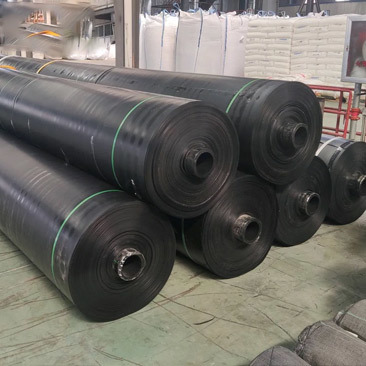
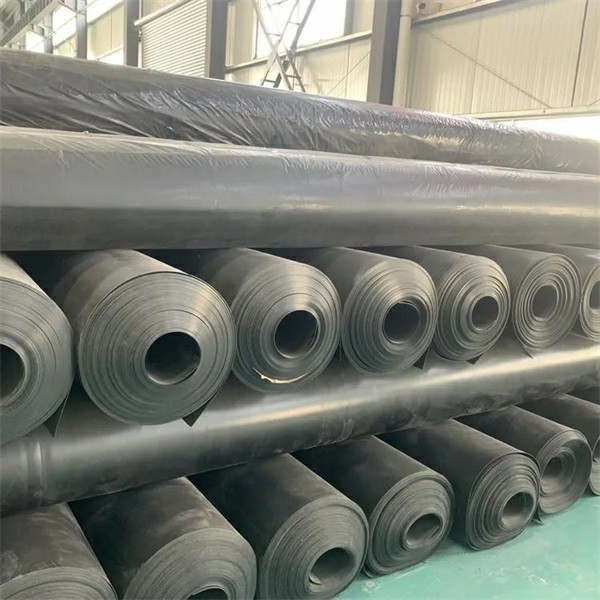
Composite geomembranes play a critical role in modern construction and environmental management. These engineered products are designed to provide barriers to fluid migration and are often employed in projects that require effective moisture control, pollution prevention, and soil stabilization.
Understanding composite geomembranes begins with recognizing their composition, which typically includes a polymeric layer combined with a geotextile. This combination not only enhances their mechanical properties but also improves their durability and ability to withstand various environmental conditions. As we move forward, it is vital to explore how these materials interact with the surrounding soil and contribute to soil health.
2. Understanding Soil Health in Construction
Soil health is crucial for sustainable construction practices, especially when considering long-term effects on the environment. Healthy soil promotes plant growth, maintains water quality, and supports various ecosystems. In the context of construction, soil health can be adversely affected by erosion, compaction, and contamination.
A key aspect of soil health is its biological activity. Soil microorganisms, organic matter, and nutrient levels all play significant roles in determining the vitality of the soil. When construction activities disrupt these elements, the overall health of the soil can decline, leading to poor agricultural outputs and increased environmental degradation.
3. The Role of Composite Geomembranes
Composite geomembranes serve multiple purposes that directly influence soil health. One primary function is their role as barriers against contaminants. When used in landfills or waste storage facilities, these geomembranes prevent leachate from permeating into the soil, thus protecting groundwater and maintaining soil integrity.
Moreover, composite geomembranes help manage stormwater runoff. By controlling the flow of water, they reduce soil erosion and nutrient leaching. This is particularly beneficial in agricultural applications, where maintaining soil structure and nutrient availability is essential for crop health.
4. Benefits of Composite Geomembranes in Soil Management
The benefits of utilizing composite geomembranes in soil management are extensive:
4.1 Enhanced Erosion Control
By reducing the velocity of surface water, composite geomembranes minimize soil erosion on construction sites. This protective layer allows for better water infiltration and helps to retain topsoil, which is critical for plant growth.
4.2 Improved Water Retention
Composite geomembranes can enhance the water retention capacity of soil, particularly in arid regions where water scarcity is a concern. This improved retention supports vegetation and promotes healthier ecosystems.
4.3 Contamination Prevention
As mentioned earlier, these geomembranes act as barriers against contaminants, ensuring that harmful substances do not enter the soil. This quality is essential in sites close to industrial activities where soil contamination risks are higher.
4.4 Contribution to Sustainable Construction
Using composite geomembranes aligns with sustainable construction practices by reducing the environmental footprint. They facilitate responsible land use and minimize disruption to existing ecosystems, contributing to long-term soil health.
5. Applications of Composite Geomembranes in Various Industries
Composite geomembranes find applications across several industries, including:
5.1 Waste Management
In landfills, composite geomembranes are used to prevent leachate from contaminating surrounding soil and groundwater. Their durability ensures long-term effectiveness in managing waste.
5.2 Agriculture
In agricultural settings, these geomembranes help manage irrigation and drainage systems, enhancing soil moisture retention and supporting crop yields.
5.3 Civil Engineering Projects
Civil engineering projects utilize composite geomembranes for slope stabilization, embankment protection, and as liners in ponds and reservoirs, preventing erosion and maintaining soil health.
5.4 Mining Operations
In mining, composite geomembranes are essential for tailings storage. They prevent toxic substances from leaching into the surrounding environment, safeguarding soil and water resources.
6. The Impact of Composite Geomembranes on Agricultural Practices
The relationship between composite geomembranes and agriculture is particularly noteworthy. These materials can significantly influence agricultural productivity:
6.1 Soil Moisture Management
Composite geomembranes assist in managing soil moisture levels, reducing the need for excessive irrigation. This not only conserves water but also ensures that crops receive adequate hydration without leaching vital nutrients.
6.2 Nutrient Retention
By minimizing runoff and erosion, composite geomembranes help retain essential nutrients within the soil, promoting healthier crops and increasing agricultural yields.
6.3 Pest and Weed Control
The installation of geomembranes can also aid in pest and weed management by creating a barrier that limits their movement, thus protecting crops and reducing the need for chemical treatments.
7. Environmental Considerations with Composite Geomembranes
While the benefits of composite geomembranes are significant, it is essential to consider their environmental impact.
7.1 Material Degradation and Longevity
The longevity of geomembranes is crucial for their effectiveness. Research into degradation rates and material lifespans informs best practices for installation and maintenance, ensuring minimal environmental risks.
7.2 Recycling and Reusability
Increasingly, the industry is focusing on the recyclability of geomembranes. Sustainable practices include reusing materials in new applications, reducing waste, and promoting a circular economy.
7.3 Compliance with Environmental Standards
Using composite geomembranes can also aid compliance with environmental regulations. By preventing contamination and supporting soil health, they help projects meet sustainability targets.
8. Future Trends in Geomembrane Technology
As technology advances, so too does the field of composite geomembranes.
8.1 Innovative Materials
Research into new materials promises to enhance the properties of geomembranes, making them more effective in terms of permeability, durability, and environmental sustainability.
8.2 Smart Geomembranes
The concept of smart geomembranes, embedded with sensors to monitor soil health and moisture levels, is emerging. This technology could revolutionize how we manage soil and water resources.
8.3 Increased Regulatory Focus
With growing environmental concerns, regulatory bodies are likely to impose stricter standards for materials used in construction and agriculture. This shift will promote the use of composite geomembranes as a standard practice.
9. Frequently Asked Questions
9.1 What are composite geomembranes made of?
Composite geomembranes are typically made from a combination of polymeric materials, such as HDPE or LLDPE, bonded with geotextiles to enhance performance.
9.2 How do composite geomembranes improve soil health?
They improve soil health by controlling erosion, preventing contamination, and enhancing water retention capabilities in the soil.
9.3 Are composite geomembranes environmentally friendly?
When used correctly, composite geomembranes can support environmentally friendly practices by preventing pollution and aiding soil restoration.
9.4 What industries use composite geomembranes?
Industries including waste management, agriculture, civil engineering, and mining employ composite geomembranes for various applications.
9.5 How long do composite geomembranes last?
The lifespan of composite geomembranes can vary, but many are designed to last 20-40 years, depending on the environmental conditions and material quality.
10. Conclusion
The relationship between composite geomembranes and soil health is a pivotal aspect of sustainable development. These innovative materials provide robust solutions for managing soil integrity, preventing contamination, and enhancing agricultural productivity. As the construction and agricultural industries continue to evolve, the integration of composite geomembranes will play a crucial role in ensuring environmental sustainability and promoting soil health. By leveraging these technologies, we can pave the way for a healthier planet, one project at a time.
CONTACT US
Address: Shuangyi Road, Lingcheng District, Dezhou City, Shandong Province


GET A DEDICATED QUOTATION