


The Essential Guide to Geomembrane Liners: Applications and Benefits in Construction
Release time:
2026-01-11
Geomembrane liners are crucial components in various construction and civil engineering projects, specifically in the domain of building materials and site construction materials. These impermeable membranes are primarily utilized for containment and separation purposes, providing effective solutions for water management, waste containment, and soil stabilization. A geomembrane liner is typically
Geomembrane liners are crucial components in various construction and civil engineering projects, specifically in the domain of building materials and site construction materials. These impermeable membranes are primarily utilized for containment and separation purposes, providing effective solutions for water management, waste containment, and soil stabilization.
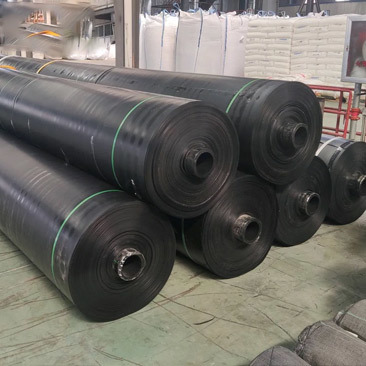
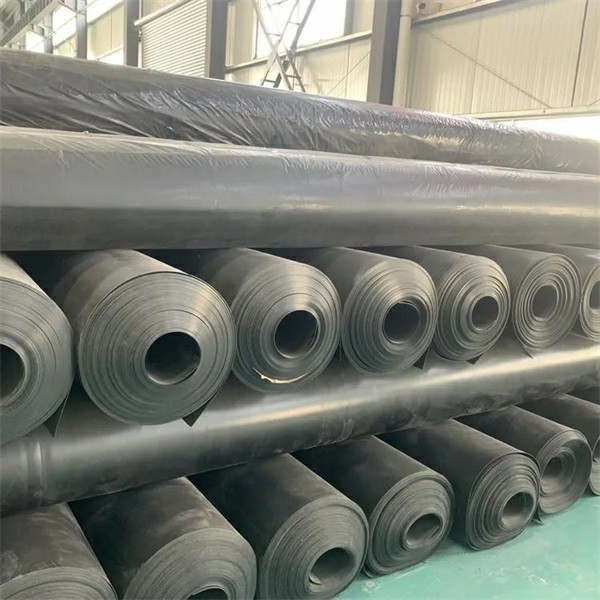
A geomembrane liner is typically made from synthetic materials such as high-density polyethylene (HDPE), low-density polyethylene (LDPE), or ethylene propylene diene monomer (EPDM). The choice of material often depends on the specific application requirements, such as chemical resistance, flexibility, and UV stability. The thickness of geomembrane liners can vary, but standard thicknesses are usually between 30 to 80 mils, ensuring durability and effectiveness in various environmental conditions.
One of the primary applications of geomembrane liners is in landfill construction and management. They serve as a barrier to prevent leachate, a toxic liquid that emerges from waste decomposition, from contaminating the surrounding soil and groundwater. By effectively isolating waste materials, geomembrane liners contribute significantly to environmental protection and compliance with regulatory standards.
In addition to landfill applications, geomembrane liners are extensively used in water containment systems such as reservoirs, ponds, and canals. These liners help minimize water loss due to seepage, thereby enhancing the efficiency of water resource management. Furthermore, they play a pivotal role in agricultural projects, where they are used in irrigation ponds and aquaculture systems to maintain water quality and prevent contamination.
Another notable advantage of geomembrane liners is their versatility. They can be installed in various terrains and conditions, making them suitable for diverse projects, including mining, civil engineering, and recreational facilities. The installation process is relatively straightforward, often involving techniques such as welding, which creates strong seams to ensure the integrity of the liner.
Moreover, geomembrane liners contribute to sustainable construction practices. By preventing soil and water contamination, they support environmental conservation efforts and promote responsible waste management. The longevity and durability of these materials also reduce the need for frequent replacements, resulting in lower long-term costs and resource consumption.
In conclusion, geomembrane liners are an integral component of modern construction, offering essential solutions for environmental protection and resource management. Their diverse applications and benefits make them a critical choice for professionals in the construction industry, ensuring the success and sustainability of projects. Understanding the technical aspects and proper implementation of geomembrane liners can lead to more efficient and environmentally friendly construction practices.
A geomembrane liner is typically made from synthetic materials such as high-density polyethylene (HDPE), low-density polyethylene (LDPE), or ethylene propylene diene monomer (EPDM). The choice of material often depends on the specific application requirements, such as chemical resistance, flexibility, and UV stability. The thickness of geomembrane liners can vary, but standard thicknesses are usually between 30 to 80 mils, ensuring durability and effectiveness in various environmental conditions.
One of the primary applications of geomembrane liners is in landfill construction and management. They serve as a barrier to prevent leachate, a toxic liquid that emerges from waste decomposition, from contaminating the surrounding soil and groundwater. By effectively isolating waste materials, geomembrane liners contribute significantly to environmental protection and compliance with regulatory standards.
In addition to landfill applications, geomembrane liners are extensively used in water containment systems such as reservoirs, ponds, and canals. These liners help minimize water loss due to seepage, thereby enhancing the efficiency of water resource management. Furthermore, they play a pivotal role in agricultural projects, where they are used in irrigation ponds and aquaculture systems to maintain water quality and prevent contamination.
Another notable advantage of geomembrane liners is their versatility. They can be installed in various terrains and conditions, making them suitable for diverse projects, including mining, civil engineering, and recreational facilities. The installation process is relatively straightforward, often involving techniques such as welding, which creates strong seams to ensure the integrity of the liner.
Moreover, geomembrane liners contribute to sustainable construction practices. By preventing soil and water contamination, they support environmental conservation efforts and promote responsible waste management. The longevity and durability of these materials also reduce the need for frequent replacements, resulting in lower long-term costs and resource consumption.
In conclusion, geomembrane liners are an integral component of modern construction, offering essential solutions for environmental protection and resource management. Their diverse applications and benefits make them a critical choice for professionals in the construction industry, ensuring the success and sustainability of projects. Understanding the technical aspects and proper implementation of geomembrane liners can lead to more efficient and environmentally friendly construction practices.
CONTACT US
Address: Shuangyi Road, Lingcheng District, Dezhou City, Shandong Province


GET A DEDICATED QUOTATION