


Understanding Composite Geomembranes: Key Insights for Construction Professionals
Release time:
2025-12-23
Composite geomembranes are advanced materials designed for various applications in the construction industry, especially where water containment, environmental protection, and soil stabilization are critical. These geomembranes typically consist of a combination of flexible plastic sheets, often made from polyethylene or polypropylene, reinforced with geotextiles or other materials that enhance th
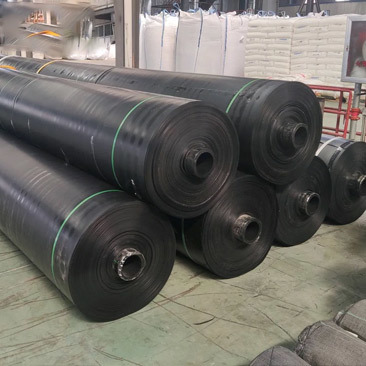
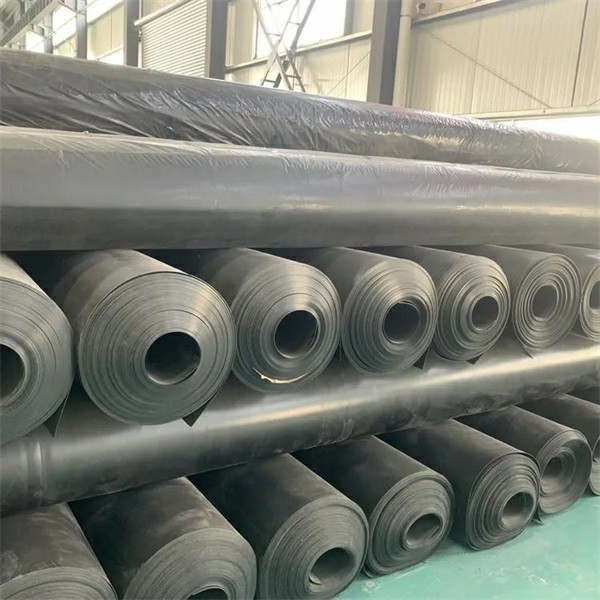
Composite geomembranes are advanced materials designed for various applications in the construction industry, especially where water containment, environmental protection, and soil stabilization are critical. These geomembranes typically consist of a combination of flexible plastic sheets, often made from polyethylene or polypropylene, reinforced with geotextiles or other materials that enhance their durability and performance.
One of the primary advantages of composite geomembranes is their excellent impermeability. They are engineered to prevent the migration of fluids, making them ideal for use in landfill liners, pond liners, and wastewater treatment facilities. Their ability to create a reliable barrier against liquids helps protect the environment from contamination and supports compliance with regulatory requirements.
In addition to their impermeability, composite geomembranes offer enhanced mechanical properties. The integration of geotextiles provides additional strength and puncture resistance, which is crucial when dealing with uneven subgrades or construction sites with sharp objects. This durability reduces the risk of leaks or failures that could compromise the integrity of the containment system.
Another significant benefit is the ease of installation. Composite geomembranes can be deployed quickly and efficiently, often reducing labor costs and project timelines. Their lightweight nature allows for easier handling and transport on-site, making them a practical choice for various construction scenarios.
When choosing composite geomembranes, it is essential for professionals to consider factors such as material compatibility, thickness, and environmental conditions at the site. Ensuring that the geomembrane is suitable for specific applications—whether for mining, industrial, or civil engineering projects—can greatly affect the success and longevity of the installation.
Furthermore, the environmental sustainability of composite geomembranes cannot be overlooked. Many manufacturers are now focusing on producing geomembranes from recycled materials or developing products that can be recycled at the end of their life cycle. This shift not only reduces waste but also enhances the overall environmental profile of construction projects.
In conclusion, composite geomembranes are a vital component in modern construction practices. Their unique combination of impermeability, mechanical strength, and ease of installation makes them indispensable for professionals in the industry. By understanding their characteristics and applications, construction professionals can make informed decisions that enhance project outcomes and contribute to environmental sustainability.
One of the primary advantages of composite geomembranes is their excellent impermeability. They are engineered to prevent the migration of fluids, making them ideal for use in landfill liners, pond liners, and wastewater treatment facilities. Their ability to create a reliable barrier against liquids helps protect the environment from contamination and supports compliance with regulatory requirements.
In addition to their impermeability, composite geomembranes offer enhanced mechanical properties. The integration of geotextiles provides additional strength and puncture resistance, which is crucial when dealing with uneven subgrades or construction sites with sharp objects. This durability reduces the risk of leaks or failures that could compromise the integrity of the containment system.
Another significant benefit is the ease of installation. Composite geomembranes can be deployed quickly and efficiently, often reducing labor costs and project timelines. Their lightweight nature allows for easier handling and transport on-site, making them a practical choice for various construction scenarios.
When choosing composite geomembranes, it is essential for professionals to consider factors such as material compatibility, thickness, and environmental conditions at the site. Ensuring that the geomembrane is suitable for specific applications—whether for mining, industrial, or civil engineering projects—can greatly affect the success and longevity of the installation.
Furthermore, the environmental sustainability of composite geomembranes cannot be overlooked. Many manufacturers are now focusing on producing geomembranes from recycled materials or developing products that can be recycled at the end of their life cycle. This shift not only reduces waste but also enhances the overall environmental profile of construction projects.
In conclusion, composite geomembranes are a vital component in modern construction practices. Their unique combination of impermeability, mechanical strength, and ease of installation makes them indispensable for professionals in the industry. By understanding their characteristics and applications, construction professionals can make informed decisions that enhance project outcomes and contribute to environmental sustainability.
CONTACT US
Address: Shuangyi Road, Lingcheng District, Dezhou City, Shandong Province


GET A DEDICATED QUOTATION