


Innovative Solutions with Composite Geomembranes: Revolutionizing Construction Sites
Release time:
2025-12-07
Innovative Solutions with Composite Geomembranes in Construction Sites Table of Contents 1. Introduction to Composite Geomembranes 2. Benefits of Using Composite Geomembranes 2.1 Durability and Longevity 2.2 Sustainability and Environmental Impact 2.3 Cost-Efficiency in Construction Projects 3. Applications of Composite Geomem
Innovative Solutions with Composite Geomembranes in Construction Sites
Table of Contents
- 1. Introduction to Composite Geomembranes
- 2. Benefits of Using Composite Geomembranes
- 2.1 Durability and Longevity
- 2.2 Sustainability and Environmental Impact
- 2.3 Cost-Efficiency in Construction Projects
- 3. Applications of Composite Geomembranes in Construction
- 4. Installation Techniques for Composite Geomembranes
- 5. Challenges in Using Composite Geomembranes
- 6. The Future of Composite Geomembranes in the Construction Industry
- 7. Frequently Asked Questions
- 8. Conclusion
1. Introduction to Composite Geomembranes
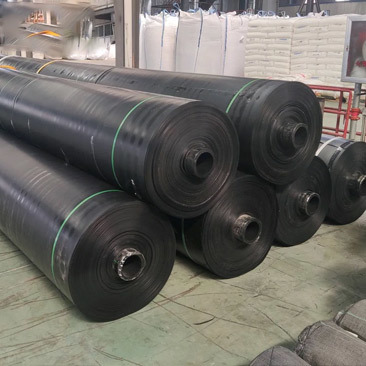
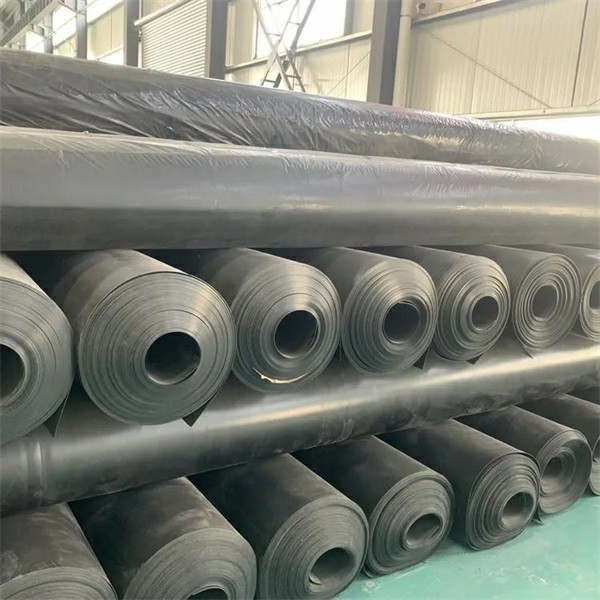
Composite geomembranes represent a significant advancement in construction materials, designed to meet the rigorous demands of modern construction sites. These materials consist of multiple layers, typically combining a polymer membrane with geotextiles or other reinforcement fabrics. This innovative structure provides exceptional strength, flexibility, and resistance to various environmental conditions.
The evolution of composite geomembranes stems from the need for reliable solutions in waste containment, water management, and other critical applications. As construction projects grow in scale and complexity, utilizing advanced materials like composite geomembranes can lead to improved performance and sustainability. In this article, we delve into the myriad benefits, applications, and future potential of these remarkable materials in construction sites.
2. Benefits of Using Composite Geomembranes
Composite geomembranes offer a wealth of advantages over traditional materials. Understanding these benefits is essential for stakeholders looking to enhance project success and environmental responsibility.
2.1 Durability and Longevity
One of the primary benefits of composite geomembranes is their exceptional durability. Constructed from high-quality polymers, these materials are engineered to withstand harsh environmental conditions, including extreme temperatures, UV radiation, and chemical exposure. This durability ensures that composite geomembranes maintain their integrity and performance over extended periods, reducing the need for frequent replacements and repairs.
2.2 Sustainability and Environmental Impact
Sustainability is a growing concern in the construction industry. Composite geomembranes contribute to environmentally friendly practices by providing effective solutions for waste containment and water management. Their impermeable nature prevents leakage and contamination, protecting soil and water resources. Additionally, many composite geomembranes are manufactured from recycled materials, further reducing their environmental footprint.
2.3 Cost-Efficiency in Construction Projects
While the initial investment in composite geomembranes may be higher than traditional options, their long-term cost-effectiveness is undeniable. The durability and reduced maintenance needs translate to significant savings over the lifecycle of a construction project. Furthermore, their ease of installation can accelerate project timelines, allowing for quicker completion and return on investment.
3. Applications of Composite Geomembranes in Construction
Composite geomembranes are versatile materials that find applications across various sectors within the construction industry. Their adaptability makes them suitable for numerous projects, ranging from waste management to infrastructure development.
3.1 Landfills and Waste Management
In landfill construction and waste management, composite geomembranes serve as essential barriers to prevent the migration of leachate and harmful contaminants into the surrounding environment. Their impermeability and durability ensure that waste materials are securely contained, safeguarding public health and environmental integrity.
3.2 Water Management Systems
Composite geomembranes are integral to the construction of water management systems, including reservoirs, ponds, and canals. Their ability to retain water while preventing seepage makes them ideal for applications where water conservation and quality are paramount. In addition, these geomembranes can be customized to meet specific project requirements, offering flexibility in design and function.
3.3 Road and Highway Construction
In road construction, composite geomembranes provide effective solutions for erosion control and subgrade stabilization. By acting as a barrier, they prevent soil erosion and enhance the load-bearing capacity of roadways. This application not only prolongs the lifespan of roads but also contributes to safer travel conditions.
4. Installation Techniques for Composite Geomembranes
Proper installation techniques are crucial for maximizing the performance and longevity of composite geomembranes. The following methods are commonly employed in the construction industry:
1. **Site Preparation**: The installation site must be adequately prepared, ensuring a clean and smooth surface for the geomembrane. Any debris, sharp objects, or uneven terrain should be addressed to prevent punctures during installation.
2. **Seaming Techniques**: Composite geomembranes are often seamed together using thermal welding, adhesive bonding, or mechanical fasteners. The choice of seaming method depends on the specific application and environmental conditions.
3. **Testing for Integrity**: Post-installation, it is vital to conduct integrity tests to ensure there are no leaks or weaknesses in the geomembrane. Common testing methods include vacuum testing and hydrostatic testing.
4. **Protection Measures**: To further enhance the durability of the geomembrane, protective measures such as cover soils, geotextiles, or protective mats can be applied, shielding it from potential damage by environmental factors or construction activities.
5. Challenges in Using Composite Geomembranes
Despite their many advantages, the use of composite geomembranes is not without challenges. Understanding these obstacles is essential for successful implementation:
1. **Material Costs**: While composite geomembranes are cost-effective in the long run, their upfront costs can be higher than traditional materials. This initial investment may deter some project managers from considering them.
2. **Installation Complexity**: The installation of composite geomembranes requires specialized knowledge and skills. Ensuring that the installation team is adequately trained is crucial for preventing errors that could compromise the geomembrane's performance.
3. **Environmental Considerations**: Although composite geomembranes are designed to be environmentally friendly, their production process may still have environmental impacts. Stakeholders must consider the lifecycle of the materials used and make informed decisions.
6. The Future of Composite Geomembranes in the Construction Industry
As technology and material science continue to evolve, the future of composite geomembranes looks promising. Innovations in material composition, production techniques, and application methods are anticipated to enhance their performance further.
Emerging trends include the development of smart geomembranes equipped with sensors for monitoring potential leaks or environmental changes. These advancements could revolutionize the construction industry, providing real-time data for better management and response strategies.
Additionally, the growing emphasis on sustainable construction practices will likely drive demand for composite geomembranes. As industries strive to reduce their ecological footprint, the adoption of these advanced materials will play a vital role in meeting environmental regulations and standards.
7. Frequently Asked Questions
What are composite geomembranes made of?
Composite geomembranes are typically composed of polymer membranes combined with reinforcement materials such as geotextiles or other fabrics. This multi-layer construction enhances durability and performance.
How do composite geomembranes perform in extreme weather conditions?
Composite geomembranes are designed to withstand extreme weather conditions, including high temperatures, UV exposure, and chemical interactions, ensuring long-lasting performance in various environments.
Can composite geomembranes be recycled?
Many composite geomembranes are manufactured from recycled materials, and some can be recycled at the end of their lifecycle, contributing to sustainable construction practices.
What industries can benefit from using composite geomembranes?
Composite geomembranes find applications in various industries, including waste management, water resource management, civil engineering, and infrastructure development.
How important is proper installation for composite geomembranes?
Proper installation is critical for ensuring the effectiveness and longevity of composite geomembranes. Errors during installation can lead to leaks and reduced performance over time.
8. Conclusion
Composite geomembranes represent a groundbreaking solution for construction sites, offering unmatched durability, sustainability, and cost-efficiency. Their applications span various sectors, from waste containment to infrastructure development, making them indispensable in modern construction practices.
As the industry continues to evolve, embracing innovative materials like composite geomembranes will be essential for addressing environmental challenges and enhancing project outcomes. By understanding their benefits and implementing best practices for installation and maintenance, stakeholders can ensure the success of their construction projects while promoting environmental stewardship. The future of construction is bright with composite geomembranes at the forefront of material innovation and sustainability.
CONTACT US
Address: Shuangyi Road, Lingcheng District, Dezhou City, Shandong Province


GET A DEDICATED QUOTATION