


How to Choose the Right Geomembrane Liner for Your Construction Needs
Release time:
2025-10-24
How to Choose the Right Geomembrane Liner for Your Construction Needs Table of Contents 1. Understanding Geomembranes: What They Are and Why They're Important 2. Types of Geomembranes: Choosing the Right Material for Your Project 3. Application Areas: Where Geomembranes Are Used Most Effectively 4. Performance Testing of Geomembranes: Ensuring Quality and Durability 5. Install
How to Choose the Right Geomembrane Liner for Your Construction Needs
Table of Contents
- 1. Understanding Geomembranes: What They Are and Why They're Important
- 2. Types of Geomembranes: Choosing the Right Material for Your Project
- 3. Application Areas: Where Geomembranes Are Used Most Effectively
- 4. Performance Testing of Geomembranes: Ensuring Quality and Durability
- 5. Installation Techniques: Best Practices for Longevity
- 6. Environmental Considerations: Ensuring Safety and Compliance
- 7. Cost Analysis: Balancing Quality and Budget
- 8. Frequently Asked Questions (FAQs)
1. Understanding Geomembranes: What They Are and Why They're Important
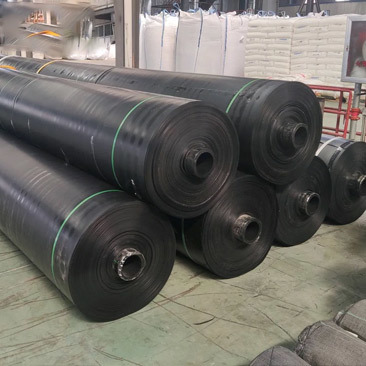
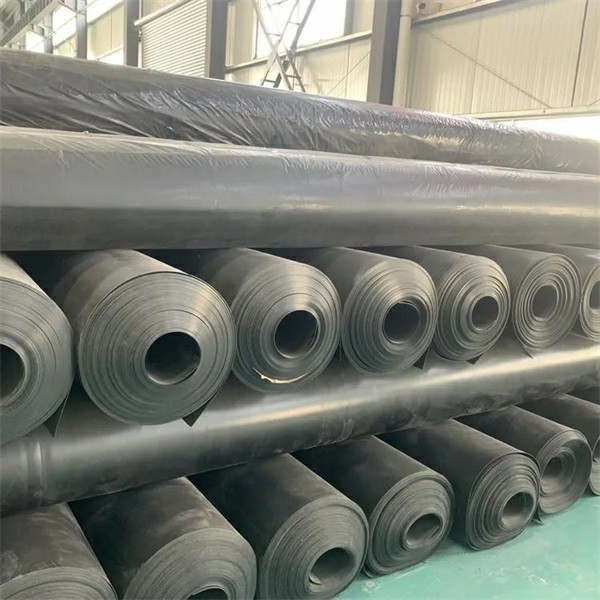
Geomembranes are synthetic liners used to create impermeable barriers in various construction applications. They serve a critical role in preventing fluid migration, protecting the environment, and ensuring structural integrity in projects like landfills, ponds, and water containment. Understanding the significance of geomembranes allows construction professionals to make informed decisions about their projects.
The effectiveness of geomembranes lies in their ability to resist the permeation of liquids and gases. This resistance is essential for environmental protection and the longevity of construction materials.
2. Types of Geomembranes: Choosing the Right Material for Your Project
Selecting the appropriate geomembrane material is crucial for project success. Here, we outline the most common types of geomembranes and their unique properties:
2.1 High-Density Polyethylene (HDPE)
HDPE geomembranes are favored for their robust chemical resistance and durability. They are ideal for landfill liners and mining applications where exposure to harsh chemicals is common.
2.2 Polyvinyl Chloride (PVC)
PVC geomembranes are known for their flexibility and ease of installation. They are often used in applications like ponds and reservoirs. However, they are less resistant to UV radiation and may require additional protection.
2.3 Ethylene Propylene Diene Monomer (EPDM)
EPDM geomembranes are particularly effective for applications requiring high elasticity and resistance to extreme temperatures. They are often used in roofing and pond applications.
2.4 Reinforced Polypropylene (RPP)
RPP geomembranes combine the flexibility of polypropylene with the strength of reinforcement materials, making them suitable for diverse construction applications.
3. Application Areas: Where Geomembranes Are Used Most Effectively
Geomembranes have a wide range of applications in the construction industry. Some of the most common areas include:
3.1 Landfill Liners
Geomembranes are extensively used in landfills to prevent leachate from contaminating groundwater. Their impermeability is crucial for environmental protection.
3.2 Water Containment
Applications such as retention ponds and reservoirs rely on geomembranes to ensure that water remains contained without leakage.
3.3 Mining Operations
In mining, geomembranes are used to line tailings storage facilities and heap leach pads, mitigating environmental impact.
3.4 Wastewater Treatment Plants
Geomembranes help manage and contain wastewater, ensuring that contaminants do not escape into surrounding areas.
4. Performance Testing of Geomembranes: Ensuring Quality and Durability
To guarantee the effectiveness of geomembranes, performance testing is essential. Various tests can assess different aspects of performance:
4.1 Peel and Shear Strength Tests
These tests measure the bond strength of geomembranes, ensuring they can withstand the forces they'll encounter in their applications.
4.2 Puncture Resistance Tests
Evaluating puncture resistance helps determine a geomembrane’s durability against sharp objects and heavy loads.
4.3 Permeability Tests
These tests measure the rate at which fluids can pass through a geomembrane, confirming its impermeability.
5. Installation Techniques: Best Practices for Longevity
Proper installation of geomembranes is critical to their performance. Here are some best practices to keep in mind:
5.1 Site Preparation
Ensure that the site is clean and free of debris, sharp objects, and any contaminants that could damage the geomembrane during installation.
5.2 Seam Welding
Utilize high-quality seam welding techniques to ensure that joints are secure and impermeable. This step is vital for preventing leaks.
5.3 Regular Inspections
Conduct inspections during installation to identify any issues promptly. Addressing potential problems early can save time and resources.
6. Environmental Considerations: Ensuring Safety and Compliance
When selecting and installing geomembranes, environmental factors must be considered. Compliance with local regulations and environmental standards is essential to avoid legal issues and protect public health.
6.1 Regulatory Compliance
Understand the regulations governing geomembrane use in your area, including requirements for material selection, installation practices, and environmental impact assessments.
6.2 Eco-Friendly Options
Consider geomembranes made from recycled or environmentally friendly materials. These options can help reduce your project's ecological footprint.
7. Cost Analysis: Balancing Quality and Budget
Cost is a significant factor in selecting geomembranes. While it's essential to stay within budget, compromising on quality can lead to long-term expenses due to failures or leaks.
7.1 Cost of Materials
Evaluate the cost of different geomembrane materials, factoring in their performance characteristics and expected lifespan.
7.2 Installation Costs
Consider the costs associated with installation, including labor, equipment, and any specialized techniques required for specific materials.
7.3 Long-Term Value
Assess the long-term value provided by each type of geomembrane. Investing in higher-quality materials may yield savings by reducing maintenance and repair costs over time.
8. Frequently Asked Questions (FAQs)
8.1 What is the lifespan of a geomembrane liner?
The lifespan of a geomembrane liner can vary based on material, environmental conditions, and installation quality. Generally, HDPE liners can last up to 40 years with proper care.
8.2 Can geomembranes be repaired?
Yes, geomembranes can often be repaired using specialized techniques. It's essential to address any damage promptly to maintain performance.
8.3 Are geomembranes environmentally friendly?
While traditional geomembranes may raise environmental concerns, many eco-friendly options are available that utilize recycled materials and reduce overall impact.
8.4 How do I ensure proper installation of a geomembrane?
Engaging experienced professionals and following best practices in site preparation and seam welding are crucial for proper installation.
8.5 What factors should I consider when selecting a geomembrane?
Consider factors such as application type, material properties, environmental conditions, regulatory requirements, and budget constraints to make an informed choice.
Conclusion
Choosing the right geomembrane liner for your construction needs is a multifaceted process that requires careful consideration of material types, applications, performance, environmental impact, and cost. By understanding the critical aspects outlined in this guide, construction professionals can make informed decisions that enhance the integrity and sustainability of their projects. Investing time in selecting the right geomembrane ensures long-lasting protection, compliance with regulations, and overall project success.
CONTACT US
Address: Shuangyi Road, Lingcheng District, Dezhou City, Shandong Province


GET A DEDICATED QUOTATION