


Essential Tips for Using Geotextiles, Geomembranes, and Geogrids
Release time:
2025-05-16
Discover key considerations for effectively using geotextiles, geomembranes, and geogrids in construction and engineering projects.
Understanding Geotextiles, Geomembranes, and Geogrids
When it comes to construction and civil engineering, the materials we choose can make or break a project. Enter geotextiles, geomembranes, and geogrids—three unsung heroes in the world of soil and water management. You might be wondering, what are these materials and why should I care? Well, let’s dive right in!
What Are They?
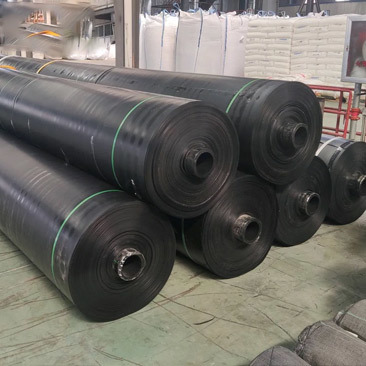
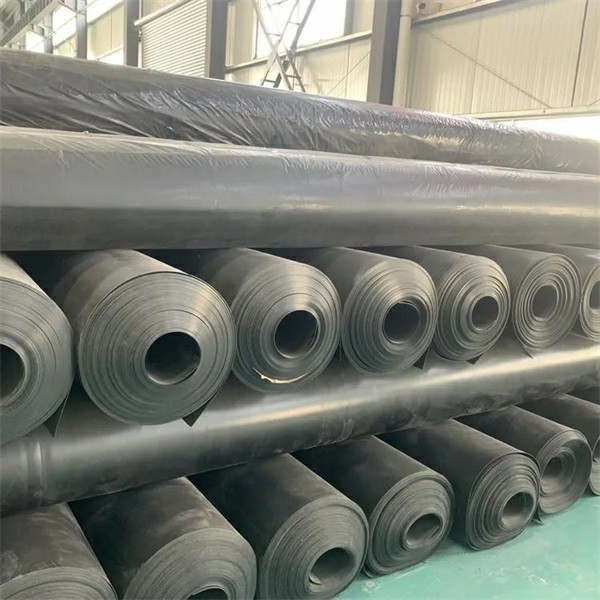
To put it simply, geotextiles (土工布), geomembranes (土工膜), and geogrids (土工格栅) are specialized materials used to improve soil stability, manage water flow, and reinforce structures. Geotextiles are permeable fabrics that filter, separate, and drain. They’re often used under roads and embankments. Geomembranes, on the other hand, are impermeable liners that prevent fluid migration, perfect for landfills and reservoirs. Lastly, geogrids are used to reinforce soil structures, especially in retaining walls and roadways.
Key Considerations When Using These Materials
Now that we have a solid grasp of what these materials are, let's talk about some crucial 注意事项 (considerations) to keep in mind. Trust me, a little knowledge goes a long way!
1. Material Selection
Choosing the right type of geotextile, geomembrane, or geogrid is essential. Not all projects are the same, and the type of material you need will depend on the specific requirements of your project. Think about soil type, water flow, and the load that will be applied. You wouldn't wear flip-flops to a snowstorm, right?
2. Installation Conditions
Installation can be a tricky business. Make sure you’re working under optimal conditions to ensure the effectiveness of these materials. For instance, avoid installing geomembranes during extreme temperatures. Nobody wants to deal with a cracked liner because it was too hot or too cold!
3. Proper Overlapping
When it comes to geotextiles and geomembranes, overlapping is key. Ensure that your seams overlap sufficiently to prevent soil and water from breaching the barrier. A little extra attention here can save you from a whole lot of headaches down the line.
4. Quality Control
Quality assurance is paramount. Always inspect your materials before installation. Look for damages or defects that could compromise the integrity of your project. Remember, it’s better to be safe than sorry!
Common Applications
These materials are versatile and can be used in a variety of applications. For example:
- Geotextiles for road construction and erosion control
- Geomembranes for landfill liners and water containment
- Geogrids for soil stabilization in highways and foundations
Each application has its own set of requirements and best practices, so be sure to do your homework!
Final Thoughts
In conclusion, whether you’re a seasoned pro or a newbie in the construction game, understanding the nuances of geotextiles, geomembranes, and geogrids is essential. Keep these considerations in mind, and you’ll be well on your way to a successful project. So, roll up your sleeves and get to work—your project deserves the best!
CONTACT US
Address: Shuangyi Road, Lingcheng District, Dezhou City, Shandong Province


GET A DEDICATED QUOTATION