


Unveiling the Power of Geomembrane: The Unsung Hero in Modern Construction
Release time:
2025-04-24
Discover how geomembranes are revolutionizing construction and environmental protection in today's projects.
What is Geomembrane?
Geomembrane, often regarded as the unsung hero in the construction world, plays a pivotal role in various applications, from landfills to aquaculture. Wait, what’s that? You’ve never heard of it? No worries! Let’s dive in and unravel this fascinating material.
A Closer Look at Geomembranes
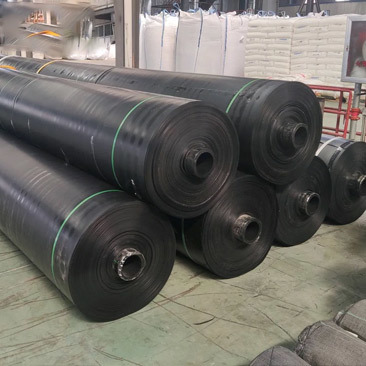
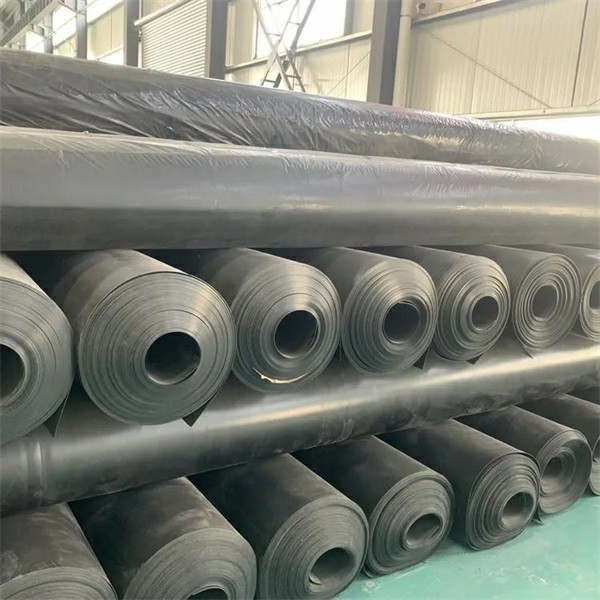
So, what exactly is a geomembrane? Essentially, it’s a synthetic membrane liner or barrier used to control fluid migration in a variety of applications. Made from materials like polyethylene, PVC, or EPDM, geomembranes are designed to withstand harsh environmental conditions. Just think of it as the ultimate shield, keeping our environments safe and sound.
Applications Galore!
You might be surprised to learn that geomembranes are used in a plethora of projects. From waste containment facilities and mining operations to agricultural ponds and water reservoirs, the versatility of geomembranes knows no bounds. They’re like the Swiss Army knife of construction materials!
Why Are Geomembranes Important?
Now, you might be wondering why we should care about geomembranes? Well, for starters, they are crucial in preventing leachate from contaminating groundwater. Imagine a landfill without proper containment measures—yikes! Not only do geomembranes protect our precious water resources, but they also help in managing stormwater runoff and reducing erosion.
Eco-Friendly Solutions
In today’s eco-conscious world, geomembranes offer sustainable solutions that align with environmental protection goals. With the rise of green building practices, these membranes contribute significantly to reducing the carbon footprint of construction projects. And hey, who doesn’t want to be a little greener?
The Installation Process
Alright, let’s talk shop. Installing a geomembrane isn’t just a walk in the park. It involves careful planning, site preparation, and skilled labor. Typically, the installation process includes:
- Site assessment and preparation
- Choosing the right geomembrane material
- Seaming and welding the geomembrane
- Testing for leaks and ensuring integrity
It’s a detailed process, but when done right, it ensures that the geomembrane performs optimally.
Challenges in Geomembrane Use
Of course, like any material, geomembranes have their challenges. Environmental factors, such as extreme temperatures and chemical exposure, can impact their longevity. It’s like playing a game of chess—strategic moves are essential to ensure the success of your project.
Innovations on the Horizon
As technology advances, so do geomembranes. Researchers are constantly working on improving their durability and effectiveness. Innovations like self-healing materials and enhanced UV resistance are just the tip of the iceberg. The future looks bright for geomembranes!
Conclusion: A Bright Future Ahead
In conclusion, geomembranes are more than just a construction material; they’re a vital component in protecting our environment and ensuring the sustainability of our projects. As we continue to innovate and adapt, the role of geomembranes will undoubtedly expand, leading to greener and safer construction practices. Who knows what the future holds? But one thing’s for certain: geomembranes will be right there, leading the charge!
Next Page
CONTACT US
Address: Shuangyi Road, Lingcheng District, Dezhou City, Shandong Province


GET A DEDICATED QUOTATION